Why Your Chickens Stopped Laying And How to Fix It Fast
If your chickens suddenly stopped laying eggs, something changed and it’s usually simpler than you think.
Chickens don’t just quit for no reason. When egg production drops, it almost always comes down to a handful of things: light, molting, feed, stress, or age.
The challenge is figuring out which one applies to your flock.
Before you start changing everything in your coop, slow down and work through this the right way. Most of the time, the answer is sitting right in front of you and once you find it, your eggs come back without anything complicated.
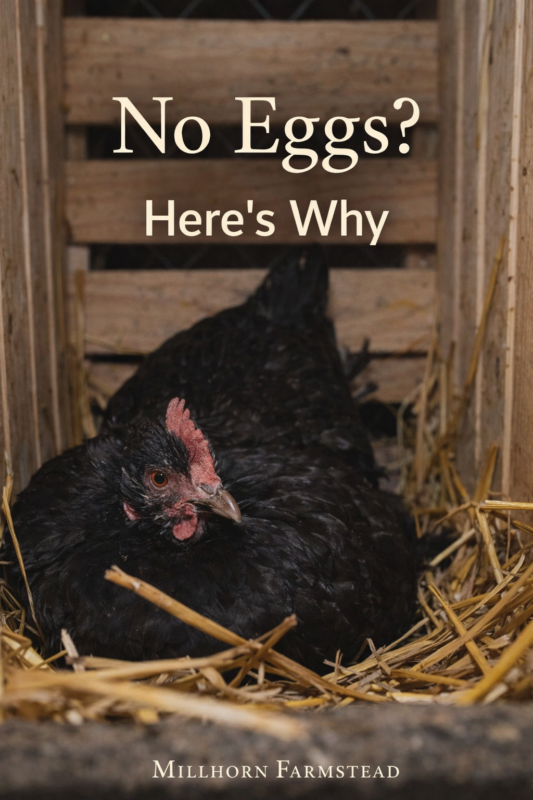
Chickens stop laying eggs most often due to reduced daylight, molting, poor nutrition, stress, or age. In most backyard flocks, the issue can be traced to one of these causes and corrected quickly.
Quick Diagnosis: Why Your Chickens Stopped Laying
If your chickens suddenly stopped laying eggs, run through this quick checklist before anything else:
Still not sure? Start here:
In most backyard flocks, it comes down to light, molt, or feed. Check those first before changing everything else.
Shorter days
Likely cause: not enough daylight
What to do: wait it out or add light
Feathers missing or birds look rough
Likely cause: molting
What to do: increase protein and give them time
Feed recently changed
Likely cause: nutrition drop
What to do: go back to a consistent, higher quality feed
Recent stress in the flock
Likely cause: environmental stress
What to do: stabilize their surroundings
No eggs but hens seem fine
Likely cause: hidden nest
What to do: start searching
Older hens
Likely cause: natural decline
What to do: adjust expectations or add younger birds
Still unsure
Start with light, molt, and feed. That is where most problems live.
Top 3 Causes Most of the Time
If your chickens stopped laying, it almost always comes down to one of these three.
Do not overcomplicate it.
1. Not Enough Daylight
This is the most common reason, especially as summer turns into fall.
Hens need long days to keep producing. Once daylight drops, their bodies shift into rest mode. It is not a failure. It is design.
If your egg production slowed right as the days got shorter, you have your answer.
Simple truth: less light means fewer eggs.
2. Molting
Molting is hard on a bird.
Feathers fall out. Energy shifts. Everything slows down.
If your hens look worn down or patchy, they are putting everything they have into regrowth. Eggs take a back seat.
You cannot rush this.
Simple truth: a molting hen is not a laying hen.
Molting takes a lot out of a bird, and during this time, egg production naturally pauses as their energy is redirected toward feather regrowth.
3. Feed Quality Dropped
This is the one people miss.
Eggs are built from what you feed your birds. If something is lacking, production drops fast.
Even small changes matter more than you think.
Lower protein. Inconsistent feeding. Cheap filler ingredients.
It all adds up.
Simple truth: poor feed shows up first in your egg basket.
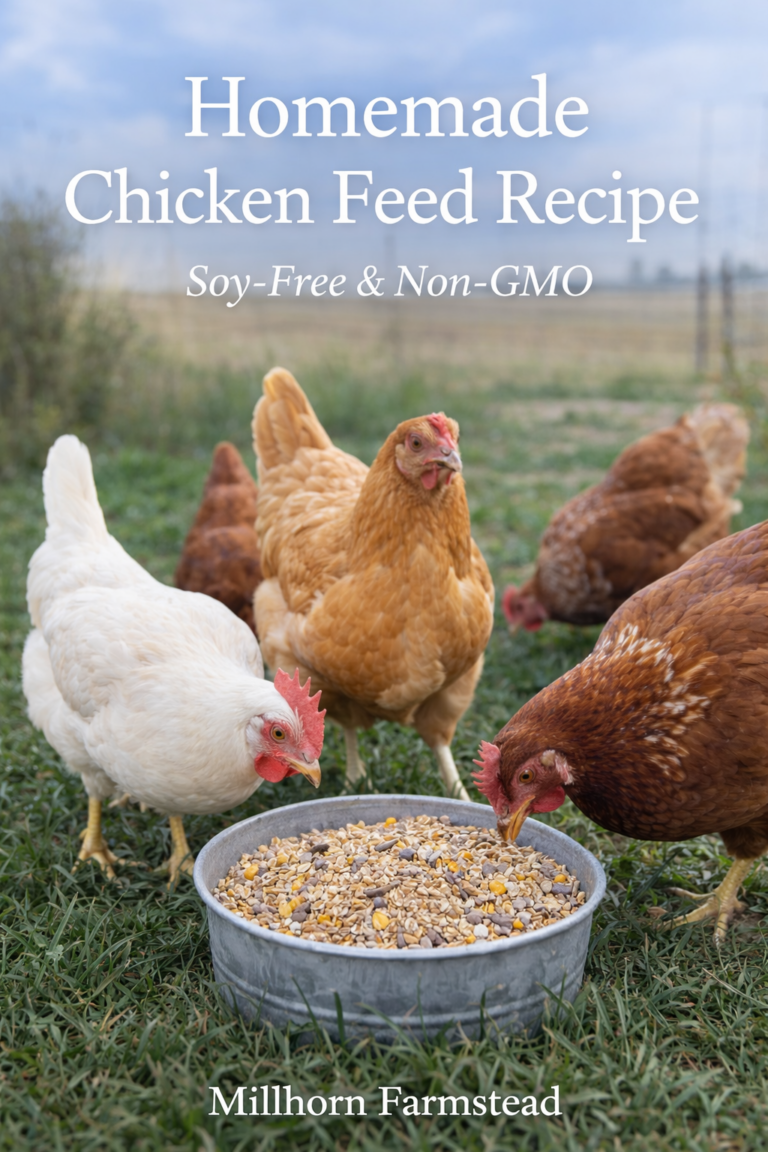
This is where your feed matters more than almost anything else. If you want to see exactly what we feed and how we keep production steady, you can read our full guide to homemade poultry feed here.
First. Don’t Panic
Chickens are steady animals when their needs are met.
They do not randomly stop laying.
When production drops, it is almost always tied to something physical or environmental.
Your job is not to guess.
Your job is to observe.
If you’re trying to push production year-round, just know, you’re trading longevity for output.
Walk Through the Real Causes
If the top three did not solve it, here is where to look next.
Stress Shuts Everything Down
Chickens are more sensitive than people think.
Things that cause a sudden stop:
- predator pressure, even if nothing was taken
- moving the coop
- adding new birds
- weather swings
- overcrowding
When a hen feels unsafe, her body pulls back.
What to do:
Keep things steady. Same routine. Same environment. Less disruption.
They Might Be Hiding Eggs
Before you assume they stopped laying, make sure they did not just move the operation.
Check everywhere.
Behind hay. Under structures. Along fence lines. In brush.
A determined hen will absolutely lay somewhere you did not plan.

Season Still Plays a Role
Even beyond daylight, seasons matter.
Cold slows them down. Heat can shut them down fast.
Spring brings them back.
They are still tied to the land, whether we like it or not.
The Truth Most People Don’t Say
You can push chickens to lay year-round.
Lights. High-protein feed. Controlled environments.
But the old way, the steadier way, is to work with their rhythm, not against it.
A flock that rests will often outlast one that’s pushed.
That doesn’t mean you have to accept zero eggs.
It just means understanding what you’re asking from them.
When Feed Is the Problem, Everything Slows Down
This is where your feed matters more than almost anything else.
You can have the right setup, good birds, and plenty of daylight and still end up with an empty egg basket if what you’re feeding isn’t enough.
Eggs aren’t something chickens just produce. They’re something they build.
Every shell, every yolk, every bit of it comes directly from the nutrients you give them. And when something is missing even slightly, egg production is one of the first things to drop.
This is where a lot of flocks quietly fall off.
Feed changes that seem small can have a big impact:
- switching brands
- stretching feed to save money
- relying on lower quality rations
- inconsistent feeding
It doesn’t take much for production to slow down.
If your chickens stopped laying and nothing else stands out—this is the place to look closely.
Because when feed is the issue, fixing it is often the fastest way to turn things around.
And once it’s right, everything else in the coop tends to follow.
If you want to see exactly what we feed and how we keep our flock producing steadily, you can read our full guide here:
Homemade Poultry Feed (Soy-Free, Nutrient-Dense)
If You Want Eggs Again, Start Here
Do not change ten things at once.
Start simple.
Check daylight
Look for molt
Evaluate your feed
Remove stress
Search for hidden nests
Most of the time, the answer is sitting right in front of you.
A Steady Flock Produces a Steady Kitchen
There’s a rhythm to this life.
Eggs come. Eggs go. Seasons shift. Birds rest.
But when you learn to read your flock, really read them, you stop guessing.
And that’s when things start working again.