
Published January 3, 2016 • Updated April 2026
If you’re raising kids on a homestead, you already know they need more than busy work. These are the jobs for kids on the homestead that actually teach responsibility and build real life skills.
You cannot do it all yourself.
And honestly, you shouldn’t.
If you’re looking for jobs for kids on the homestead, you’re probably trying to balance raising capable kids while managing the daily work that comes with this lifestyle.
A homestead is not just a place to grow food. It is where kids learn how to work, how to care for something outside themselves, and how to contribute to a family.
That does not happen by accident. It happens by giving them real responsibility.
Not busywork. Not pretend chores.
Real jobs that matter.
These are the jobs our kids grow up doing on our farm, and the same ones that shaped me long before I ever had a homestead of my own.
If you’re just getting started, you can read my full guide on How to Start a Homestead to understand how all of this fits together.
Why Kids Should Have Jobs on the Homestead
Before we get into the list, this matters.
Kids who grow up on a homestead have an advantage most people will never understand.
They learn:
- where their food comes from
- how to solve problems
- how to work when they do not feel like it
- how to care for animals that depend on them
You are not just raising kids.
You are raising future adults.
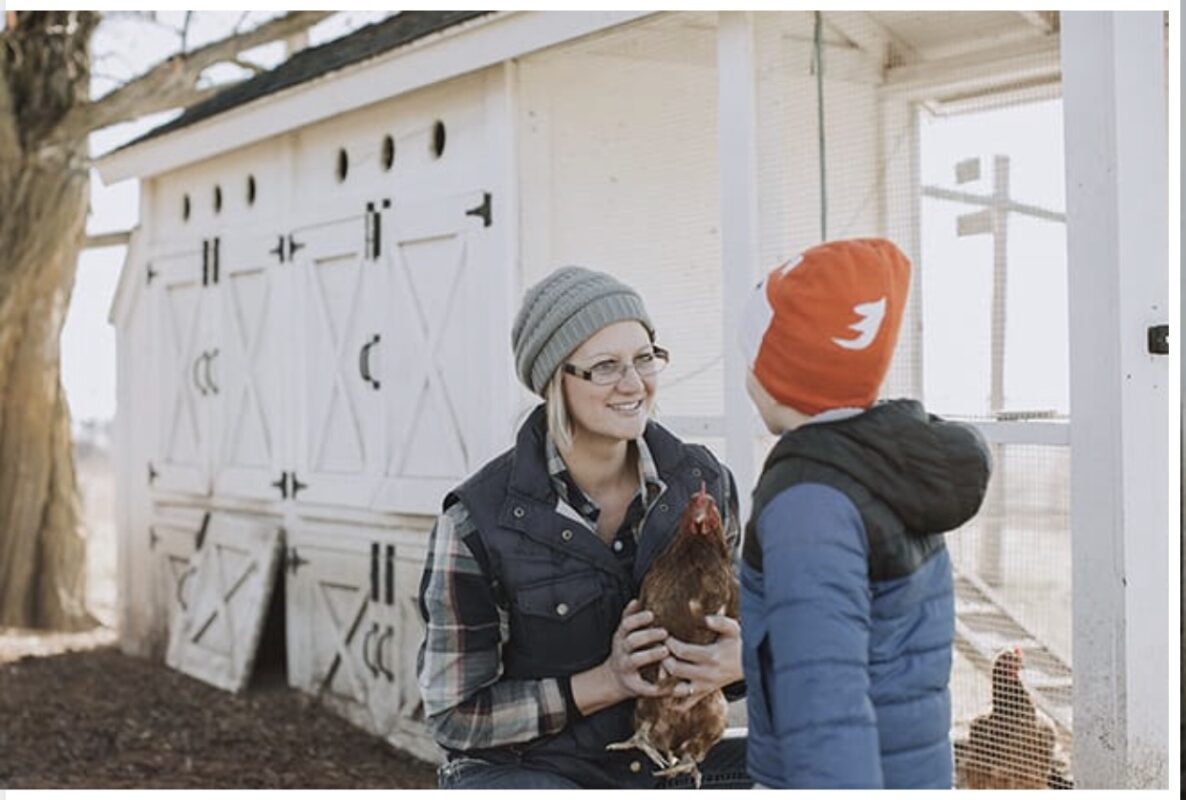
Collecting Eggs
This is usually the first job kids fall in love with.
It is simple. It feels important. And it connects them directly to their food.
Even young kids can:
- gather eggs
- check nesting boxes
- carry a basket
Over time, they learn consistency. Chickens do not take days off. Neither does this job.
If you’re raising laying hens, this ties directly into understanding why production changes, which I break down in WhyYour Chickens Stopped Laying and How to Fix It Fast.
Filling Waterers
This is where responsibility starts to show up.
Water is not optional. If this job is missed, animals suffer.
Older kids can:
- check water levels
- refill troughs
- break ice in winter
- monitor heaters and lines
This is where they begin to understand that their work matters.
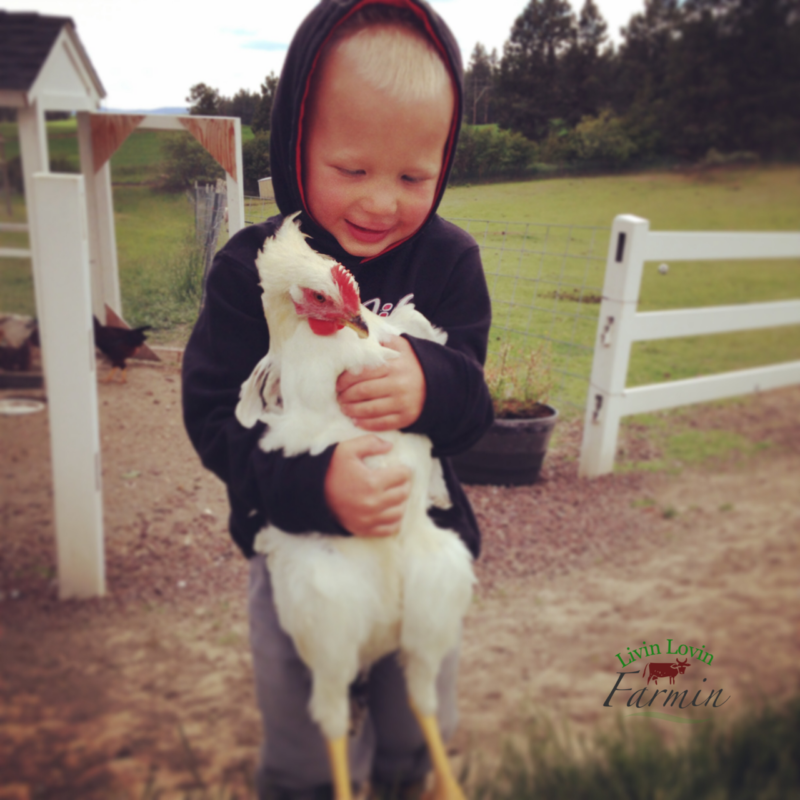
Feeding Animals
Every kid loves feeding animals.
But this is where you shift it from fun to responsibility.
Teach them:
- correct feed amounts
- feeding schedules
- observing animal behavior
This is not just tossing scraps. This is learning how to care for livestock properly.
Feeding is not just about tossing scraps. If you want to do it right, I share exactly how we do it in our Homemade Poultry Feed Soy Free guide.
Garden Weeding and Harvesting
This one separates the helpers from the complainers.
Weeding is not exciting. But it teaches discipline.
Kids who help in the garden learn:
- plant identification
- patience
- how food is grown from start to finish
If you want buy-in, give them ownership over a row or section.
Helping Prepare Meals
This is where it all comes full circle.
Food does not just appear on the table.
Kids can:
- wash and prep vegetables
- help cook meals
- learn basic kitchen skills
This builds confidence fast.
This is where everything comes full circle, especially when you’re cooking from scratch. If you’re not used to that yet, start simple with something like Homemade Best Ever Sandwich Bread.
Yard and Property Maintenance
Older kids need bigger responsibility.
Jobs like:
- mowing
- picking up debris
- watering trees
- moving hoses
These teach independence and ownership of the land.
Having the kids plan, prep and prepare dinner not only gets their creative taste buds rolling but it also teaches them to work as team.
Cleaning Coops and Barns
No one wants this job.
That is exactly why it matters.
Cleaning spaces where animals live teaches:
- work ethic
- grit
- attention to detail
Sometimes it is a group effort. Sometimes it is a consequence. Either way, it gets done.
A clean coop directly impacts egg production and flock health, which is why ignoring it often leads to issues like I explain in Why Your Chickens Stopped Laying and How to Fix It Fast.
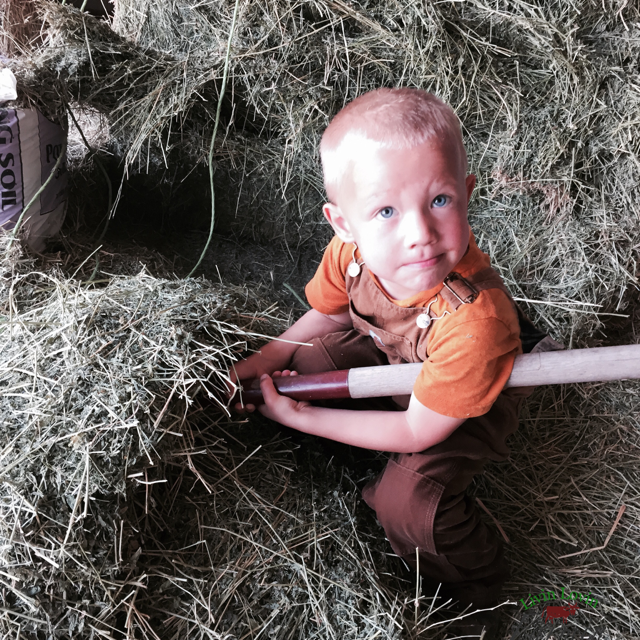
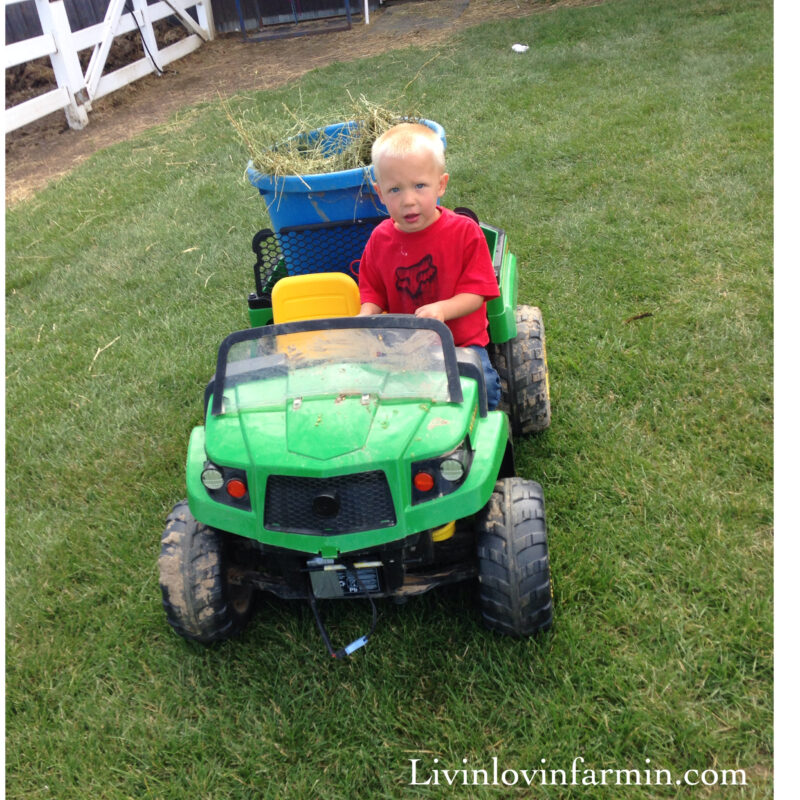
Moving Feed and Supplies
Daily Jobs for Kids on the Homestead That Build Responsibility
Carrying feed bags. Stacking supplies. Helping unload.
It builds:
- strength
- responsibility
- awareness of what it takes to run a farm
You do not need a gym when you have a homestead.

Milking and Animal Care
Most people think this is too much for kids.
I disagree.
With guidance, kids can learn:
- how to milk
- proper hygiene
- animal handling
And when they do, something shifts.
They take pride in it.
If you’re working toward a family milk cow, this is where kids really step into responsibility. I go deeper into that in my Family Milk Cow Guide.
Showing Up with a Willing Attitude
This is the one most people skip.
And it is the most important.
Skills can be taught.
Work ethic has to be built.
A kid who learns to show up, do the job, and not complain will go further in life than one who has every opportunity handed to them.
Best Jobs for Kids on the Homestead (by Age)
Younger kids:
- eggs
- small garden tasks
- simple feeding
Middle:
- water
- larger garden roles
- meal prep
Older:
- livestock care
- mowing
- barn cleaning
- milking
Start small. Build consistency. Then increase responsibility. As your homestead grows, so will the responsibilities. This is why building systems early matters, especially if you’re managing multiple animals like chickens and dairy.
Teaching Kids These Skills in the Real World
If this way of raising kids resonates with you, you’re not alone. More families are stepping away from convenience and choosing to teach real life skills at home and on the land.
That is exactly why we host the Modern Homesteading Conference each year. It is a place where families come together to learn practical skills, from raising animals to building a working homestead, and to connect with others who are doing the same.
Because this lifestyle is not meant to be learned alone.
Why Jobs for Kids on the Homestead Build Real Responsibility
Kids don’t learn responsibility from being told what to do. They learn it by being trusted with real work. On a homestead, that looks different than a chore chart. It looks like animals depending on them, food being grown because of them, and work that actually matters.
If you’re serious about raising capable kids and building a working homestead, start with the foundations. My full How to Start a Homestead guide will walk you through it step by step.







What wise parents you are! Your children are truly blessed to be learning to be so skillful.
Thank you! They don’t always think so, but I’m certain that one day they’ll thank me.
Those are great ideas. There are so many things that small children can help with around the home.
These are great tips! Our kids are 4 and 7, but they already have many homestead responsibilities and they really enjoy growing their own garden beds!
I loved this post…we have had chickens for years and when our parents first decided to start butchering some for meat we were told we didn’t need to help if we didn’t want to but we were more than welcome to hand out and help if we chose to….I was curious so I would watch and each time I would be a litlle closer and eventually I started helping and we now raise chickens and rabbits and the occasional goose
i LOVE it. I have grandchildren and a great granddaughter Lily Mae. we all moved to the country. building cabin
My sister is a city slicker she calls us pioneers and we are. After all the building comes the farming.
Nice post, things explained in details. Thank You.
Finally some plenty of stuff to keep my 4 years old busy this summer lol…Great article.