A jar of plain salt is useful. A jar of salt blended with lavender, rosemary, sage or dried lemon zest can make an ordinary chicken breast, pork chop or pan of roasted vegetables taste like you put considerably more work into dinner than you actually did.
That is why I like keeping homemade flavored salts in the spice cabinet.
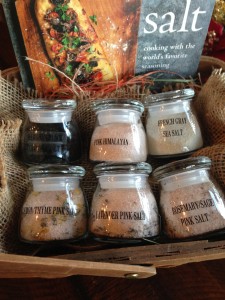
They take only a few minutes to mix, use herbs you may already have in the garden or pantry and make a practical homemade gift. Package them in small glass jars, add a label and you have something people will actually use.
These recipes make three different blends: lavender salt, rosemary sage salt and lemon thyme salt. Each one begins with 1/2 cup of salt and a small amount of dried herbs.
The important word is dried. Fresh herbs and damp lemon zest introduce moisture into the jar. For a salt that stores well and remains easy to sprinkle, every ingredient needs to be completely dry.
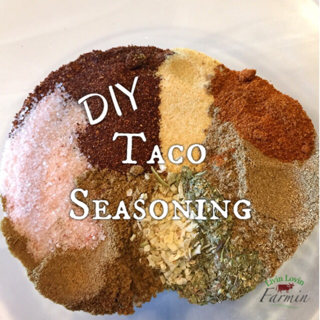
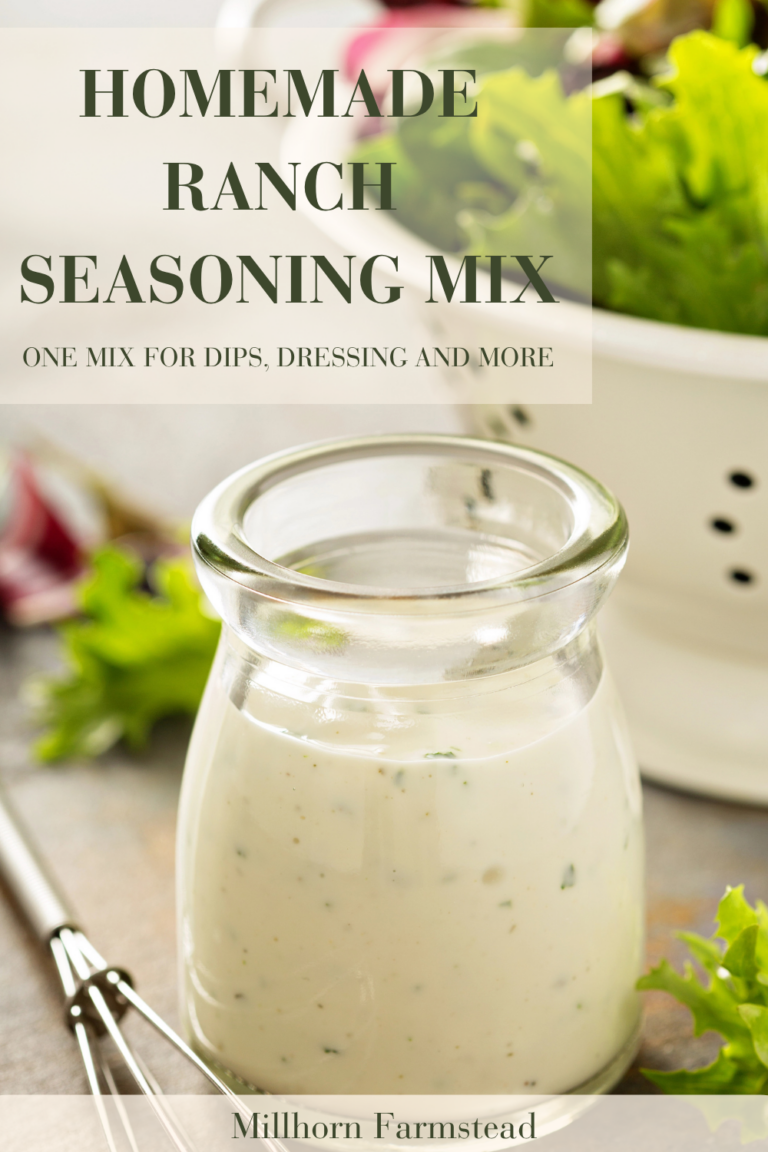
If you enjoy making your own pantry mixes, try my homemade ranch seasoning, homemade taco seasoning and all-purpose dry rub next.
Jump to Recipe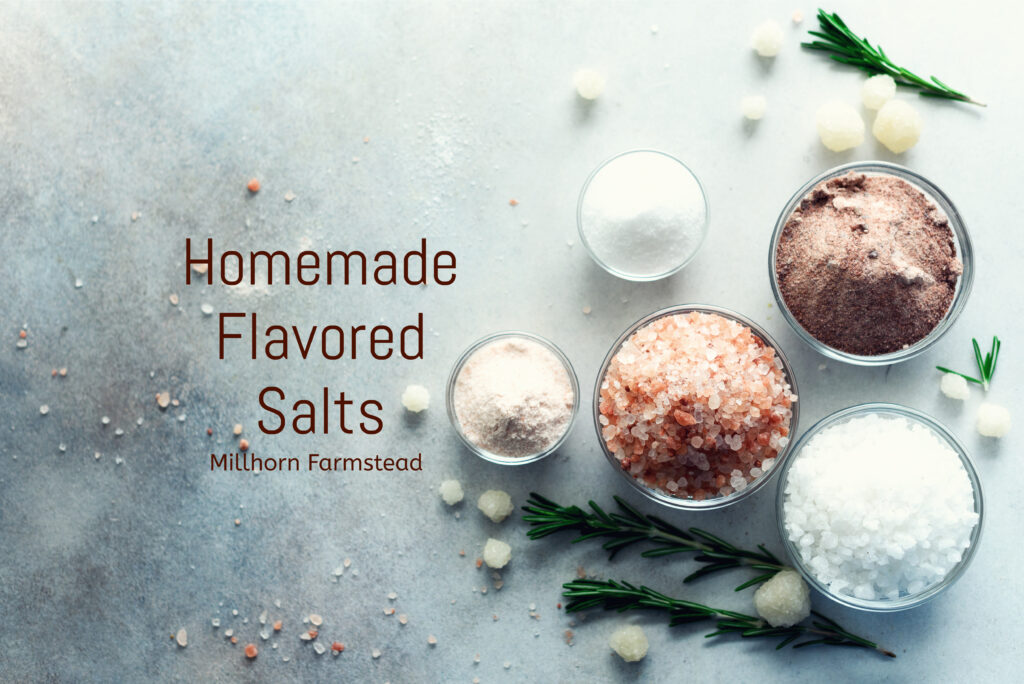
What Are Flavored Salts?
Flavored salts are made by combining salt with dried herbs, spices, citrus zest or other completely dehydrated ingredients.
Unlike an ordinary seasoning blend, salt remains the main ingredient. The herbs add aroma and flavor without turning the mixture into a heavily seasoned rub.
A pinch can be added before cooking or sprinkled over finished food as a finishing salt.
Homemade flavored salts work especially well on:
- Chicken
- Pork
- Lamb
- Fish
- Roasted vegetables
- Potatoes
- Eggs
- Popcorn
- Chocolate
- Fresh tomatoes
- Salads
What Kind of Salt Should You Use?
You do not need much. Begin with a small pinch, taste the food and add more if needed.
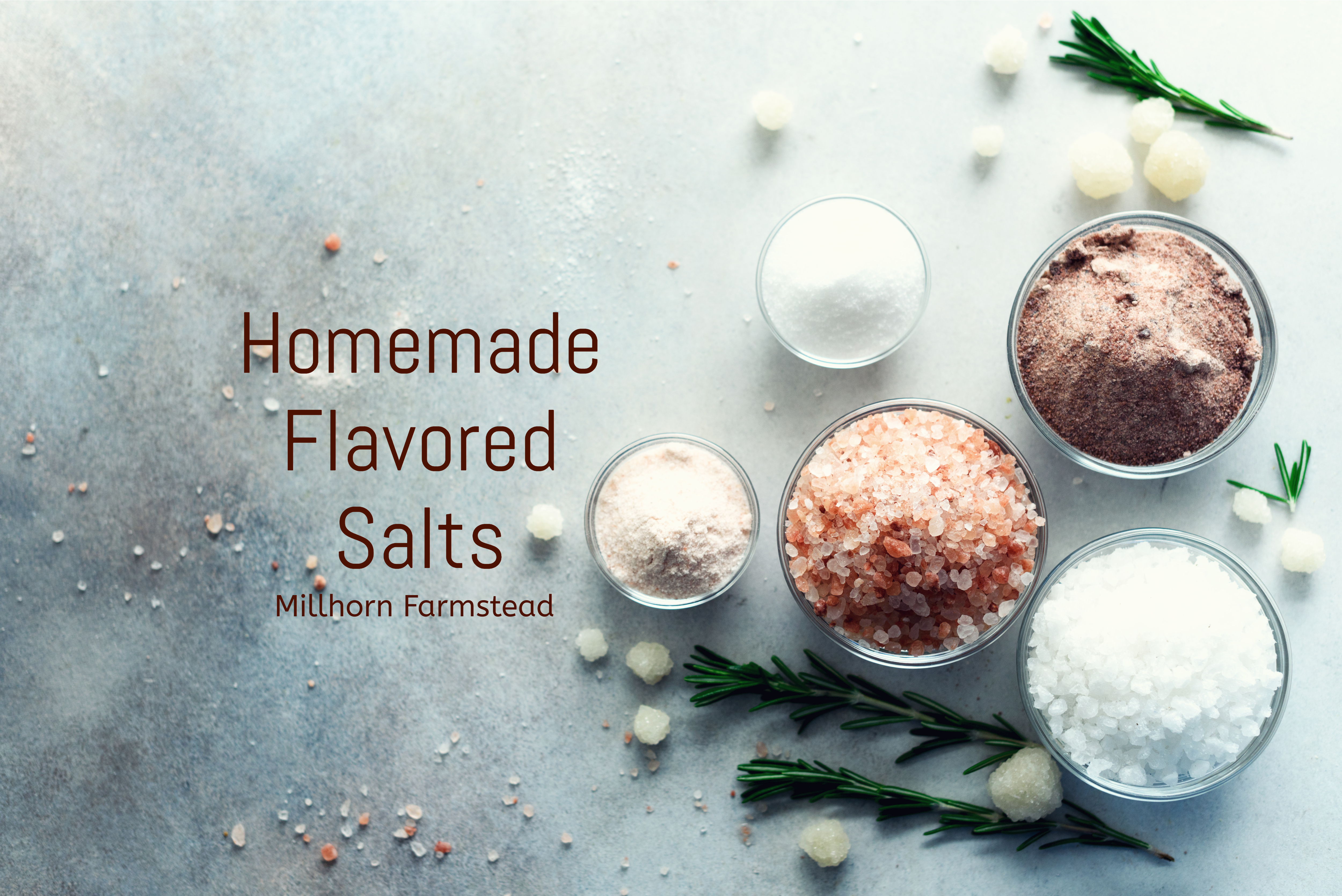
I originally made these recipes with pink Himalayan salt because I liked the color and texture. French gray salt and other coarse sea salts can also be used.
Choose a salt based on its flavor, grain size and how you intend to use it. Specialty salts may contain trace minerals, but they are still salt and should not be treated as a health supplement.
A coarse salt makes an attractive finishing salt and looks particularly nice in a gift jar. A medium or finely ground salt distributes more evenly when used during cooking.
If your salt has very large crystals, pulse it briefly in a food processor or spice grinder before adding the herbs. Do not grind it into powder. You only want to make the crystals slightly smaller and easier to sprinkle.
Homemade Flavored Salts
Ingredients
Method
- Preheat the oven to 200°F and line a baking sheet with parchment paper.
- Wash and dry the lemon. Zest only the yellow outer layer, avoiding the bitter white pith.
- Spread the zest in a thin layer on the prepared baking sheet.
- Dry for 45 to 60 minutes, watching carefully near the end.
- Remove the zest when it is completely dry and brittle. Allow it to cool completely.
- Crush the dried thyme briefly in a food processor, spice grinder or mortar and pestle.
- Combine 1/2 teaspoon dried lemon zest, the thyme and the salt.
- Transfer to a clean, dry airtight jar. Label and date the jar.
Notes
- Use only dried herbs in these pantry-stable salt blends.
- Use culinary-grade lavender intended for food.
- Make sure lemon zest is completely dry and cool before adding it to the salt.
- Shake or stir the jar before using.
- Store in a cool, dark, dry cabinet.
- Use within six months for the strongest herb flavor.
Always Use Dried Herbs
Use dried lavender, rosemary, sage and thyme when making shelf-stable flavored salt.
Fresh herbs contain water. Mixing them directly into salt can cause clumping and may introduce enough moisture to reduce the quality and storage life of the blend.
Homegrown herbs are perfectly suitable, but dry them completely before use. They should crumble easily between your fingers rather than bend.
The same rule applies to citrus zest. Lemon zest must be thoroughly dried and cooled before it is added to the salt.
Lavender Flavored Salt
Lavender salt may sound unusual, but it works surprisingly well with savory foods.
I especially like it with roasted chicken, pork and lamb. A very small pinch can also be sprinkled over dark chocolate or chocolate desserts, where the floral flavor balances the richness.
Use culinary-grade English lavender. Do not use lavender from a florist, craft store or plant that may have been treated with chemicals not intended for food.
Lavender Salt Ingredients
- 1/2 cup pink Himalayan salt or French gray salt
- 1 teaspoon dried culinary English lavender flowers
How to Make Lavender Salt
Place the dried lavender in a small food processor, spice grinder or mortar and pestle.
Pulse or crush it briefly to release the aroma and break up the flowers. Do not grind the lavender into a fine powder.
Add the lavender to the salt and stir until evenly distributed.
Transfer the mixture to a clean, completely dry glass jar with an airtight lid. Label the jar with the name and date.
Use lavender salt sparingly. Lavender can overpower food quickly, so begin with a small pinch.
Rosemary Sage Salt
Rosemary and sage belong with roasted meat, potatoes and cool-weather cooking.
This blend works especially well on pork chops, chicken, roasted root vegetables and potatoes. It can also be used to season meat before grilling or roasting.
For a heavier barbecue flavor, use my homemade dry rub instead.
Rosemary Sage Salt Ingredients
- 1/2 cup pink Himalayan salt
- 1/2 teaspoon dried rosemary
- 1/2 teaspoon dried sage
How to Make Rosemary Sage Salt
Place the dried rosemary and sage in a small food processor, spice grinder or mortar and pestle.
Pulse or crush the herbs just until they are broken into smaller pieces and fragrant.
Combine the herbs with the salt in a small bowl. Stir thoroughly so the rosemary and sage are evenly distributed.
Transfer the flavored salt to a clean, dry jar with an airtight lid. Label and date the jar.
Try it on roasted potatoes, pork, chicken or vegetables. It can also add a final layer of seasoning to homemade soup after you have tasted the broth.
When making homemade bone broth, I prefer to keep the broth lightly salted and adjust the seasoning when I use it. Rosemary sage salt makes that easy.
Lemon Thyme Salt
Lemon thyme salt is one of my favorites.
It is bright enough for fish and vegetables but still savory enough for chicken and pork. The lemon flavor comes from dried zest rather than lemon juice, so the finished salt remains dry.
The zest must be completely dehydrated before it is mixed with the salt. If it still feels soft, flexible or damp, continue drying it.
Lemon Thyme Salt Ingredients
- Zest from 1 lemon
- 1/2 cup pink Himalayan salt
- 1/2 teaspoon completely dried lemon zest
- 1/2 to 1 teaspoon dried thyme
How to Dry Lemon Zest
Wash and dry the lemon before zesting it. Remove only the yellow outer layer. Avoid the white pith, which can taste bitter.
Preheat the oven to 200°F and line a baking sheet with parchment paper.
Spread the zest across the parchment in a thin layer. Dry it for approximately 45 to 60 minutes, checking it frequently toward the end because small pieces of zest can burn quickly.
The zest is ready when it is completely dry and brittle.
Remove it from the oven and allow it to cool completely before measuring or mixing it with salt. Warm zest can create condensation inside a sealed container.
You will probably have more dried zest than this recipe requires. Store the remainder in a separate airtight container and use it in another seasoning blend or baking recipe.
How to Make Lemon Thyme Salt
Place the dried thyme in a small food processor, spice grinder or mortar and pestle. Crush it briefly to release the aroma.
Combine 1/2 teaspoon of the dried lemon zest, the thyme and the salt in a small bowl.
Begin with 1/2 teaspoon of thyme for a lighter blend. Use up to 1 teaspoon if you want the herb flavor to be more noticeable.
Stir until evenly combined. Transfer the salt to a clean, dry glass jar with an airtight lid.
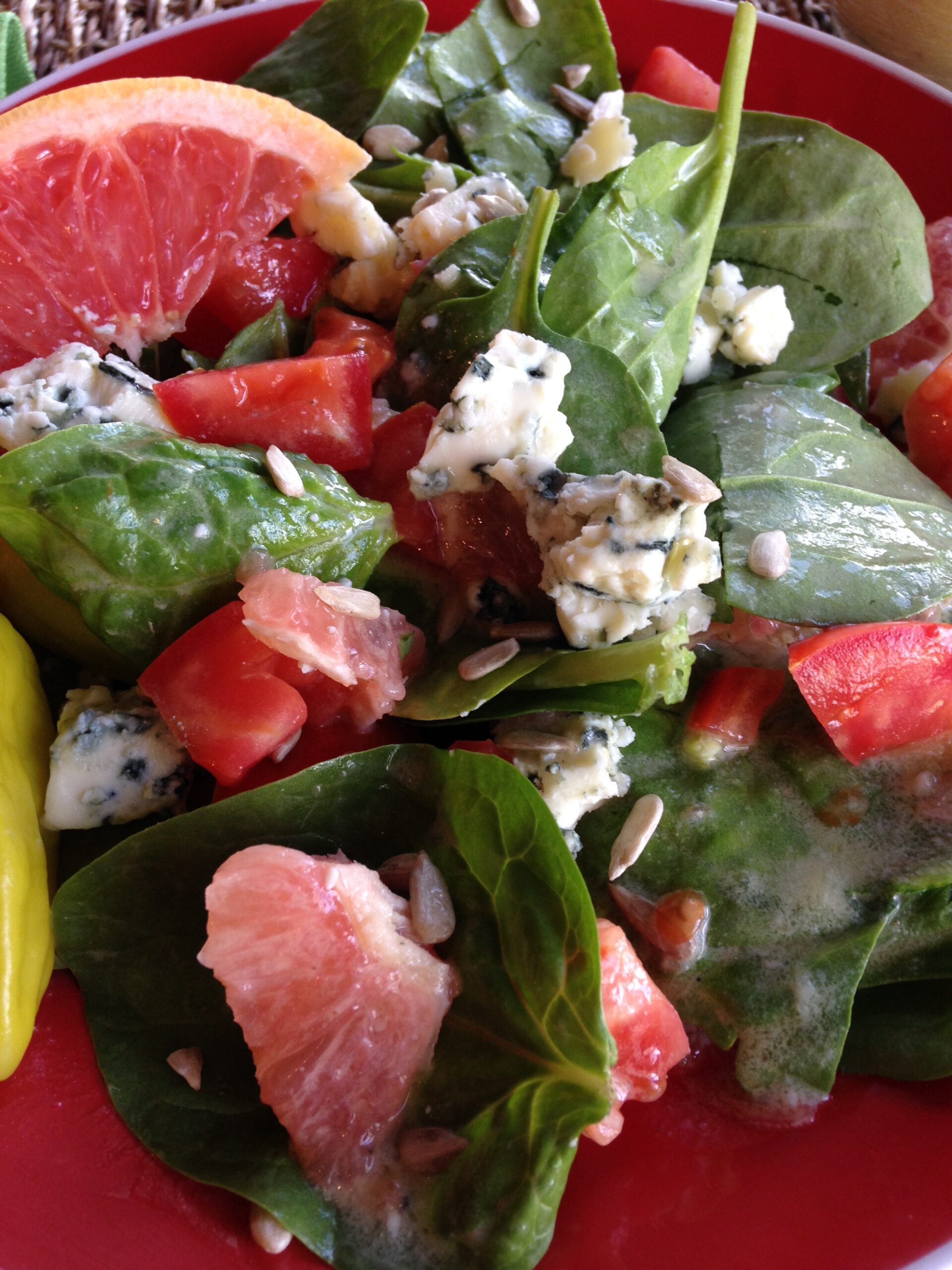
Lemon thyme salt works well on fish, chicken, pork, potatoes and roasted vegetables. It can also add a bright finishing touch to a simple salad served with grapefruit tahini dressing.
How to Use Homemade Flavored Salts
Flavored salts can be used before cooking or added as a finishing salt.
When seasoning raw meat, sprinkle a small amount evenly over the surface before roasting, grilling or pan cooking.
When seasoning finished food, add a pinch just before serving. This preserves more of the herb aroma and allows the salt crystals to remain noticeable.
Try the three blends in the following ways:
Lavender Salt
- Roasted chicken
- Lamb
- Pork tenderloin
- Dark chocolate
- Shortbread
- Roasted carrots
Rosemary Sage Salt
- Pork chops
- Chicken
- Potatoes
- Winter squash
- Root vegetables
- Eggs
Lemon Thyme Salt
- Fish
- Chicken
- Pork
- Green vegetables
- Roasted potatoes
- Fresh tomatoes
Flavored salt can also be added to farm-style coleslaw or used to adjust the final seasoning in canned tomato soup. Add a small amount, taste and remember that more can always be added.
How to Keep the Herbs Evenly Distributed
Dried herbs are lighter than salt and may rise to the top of the jar while the heavier salt settles toward the bottom.
This is normal.
Shake or stir the jar before each use. A jar with a tight-fitting lid makes this much easier.
Grinding the herbs into smaller pieces also helps them remain distributed, but do not reduce everything to powder. The visible herbs are part of what makes flavored salt attractive.
How to Store Homemade Flavored Salts
Store flavored salt in a clean, completely dry airtight container.
Keep it in a cool, dark cabinet away from the stove, sink and direct sunlight. Heat, light and moisture weaken the herbs and can cause the salt to clump.
Use a dry spoon every time you measure from the jar. Do not sprinkle directly over a steaming pot because steam can enter the container.
For the strongest flavor, use homemade flavored salts within six months.
Salt itself lasts much longer, but dried herbs gradually lose their aroma. Discard the mixture if you notice moisture, mold, an unusual odor or any other sign of spoilage.
Giving Flavored Salt as a Homemade Gift
Flavored salts make practical Christmas, hostess and housewarming gifts.
Package each variety in a two-ounce or four-ounce glass jar with a snug lid. Add a label that includes:
- Name of the flavored salt
- Ingredients
- Date prepared
- Suggested uses
- Storage instructions
A set containing lavender salt, rosemary sage salt and lemon thyme salt gives the recipient three noticeably different flavors without requiring a complicated list of ingredients.
You could also add a jar of homemade baking mix or another pantry staple to make a larger homemade kitchen gift basket.
Homemade Flavored Salt FAQ
Can I make flavored salt with fresh herbs?
Not for this dry pantry method. Fresh herbs introduce moisture and can cause clumping or spoilage. Dry the herbs completely before combining them with salt.
Can I use ordinary table salt?
Yes, but the finished blend will have a finer texture and a less decorative appearance. Start with less when seasoning food because fine salt packs more tightly into a measuring spoon than coarse salt.
Can I use kosher salt?
Yes. Kosher salt works well, but different brands have different crystal sizes. Season according to taste rather than assuming every salt measures the same.
Does flavored salt expire?
The salt remains stable for a long time when kept dry, but the herbs lose flavor and aroma. Use the blends within six months for the best quality.
Why is my flavored salt clumping?
Clumping usually means moisture entered the jar or one of the ingredients was not completely dry. Make sure dried citrus zest has cooled before mixing and always use a dry spoon.
Can I add more herbs?
Yes, but start cautiously. Lavender, rosemary and sage can become overpowering. Make the original recipe first, taste it on food and adjust the next batch if needed.
Can I grind the salt and herbs together?
Yes. Pulse them briefly in a food processor or spice grinder. Stop before the mixture becomes a fine powder unless that is the texture you prefer.
Can I use orange or lime zest instead of lemon?
You can experiment with other citrus zest, but it must be completely dried before being added to the salt. Make a small test batch before changing the full recipe.

More Homemade Pantry Mixes
-
Homemade Baking Mix: An Easy Bisquick Substitute
There are mornings when I enjoy making breakfast slowly. Then there are mornings when everyone is…
-
Homemade Taco Seasoning Recipe
My family could live on tacos, which means we can go through those little seasoning packets…
-
Homemade Ranch Seasoning Mix
Store-bought ranch packets are convenient until you need one and discover there is not a single…
-
All-Purpose Dry Rub Recipe for Beef, Pork and Chicken
A good all-purpose dry rub eliminates the need to buy a different seasoning blend for every…