
Turn an overflowing tomato harvest into jars of ready-to-use tomatoes with this simple water bath canning recipe.
There comes a point every summer when the tomatoes seem to ripen all at once.
For weeks, I’m watching them slowly turn from green to red, wondering if I’m ever going to have enough to can. Then suddenly, every bowl and basket in the kitchen is full and I’m trying to figure out what to do with all of them before they get too ripe.
That’s when I start canning stewed tomatoes.
Of all the things I preserve from the garden, tomatoes are some of the most useful. A jar of home-canned tomatoes can become soup, chili, pasta sauce or the beginning of dinner on a night when I don’t have a plan.
They’re basically my version of convenience food.
Except I know exactly what went into the jar.
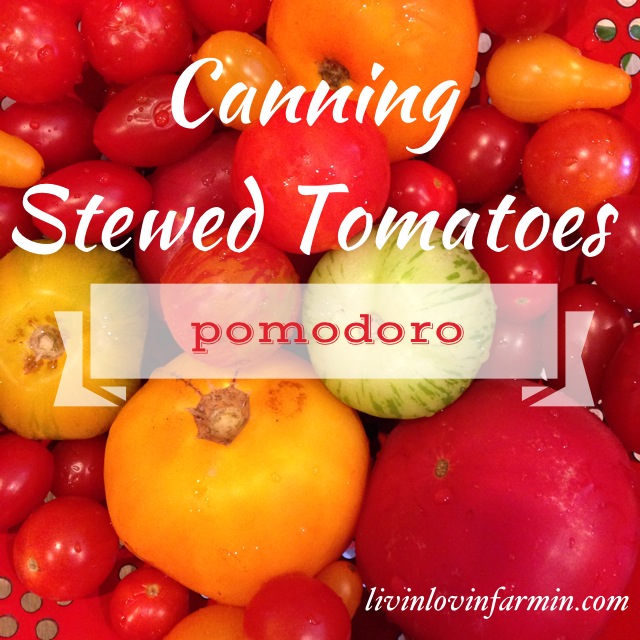
Why I Can Stewed Tomatoes Every Year
I’ve grown a lot of tomatoes over the years. Some years the garden produces more than I know what to do with, and other years I’m guarding every ripe tomato like it owes me money.
When we have a good year, I preserve as many as I can.
Stewed tomatoes aren’t exciting sitting on a pantry shelf, but that’s exactly why I love them. They’re useful.
I can open a jar in January and add it to chili. I can turn it into tomato soup, add it to pasta sauce or use it as the base for a casserole.
Instead of deciding in August exactly what every tomato needs to become, I’m simply preserving the harvest and leaving myself options for later.
What Are Stewed Tomatoes?
Traditionally, stewed tomatoes often contain other vegetables and seasonings, such as onions, celery and peppers.
For home canning, however, I keep this version intentionally simple.
Adding low-acid vegetables changes the acidity of the recipe and can also change the processing requirements. So rather than tossing a little of this and a little of that into each jar, I can the tomatoes themselves and add whatever seasonings and vegetables I want when I open the jar.
That gives me a much more versatile pantry staple, too.
The Best Tomatoes for Canning
You can preserve many different varieties of tomatoes, but they don’t all behave the same way in a jar.
Paste tomatoes, such as Roma or San Marzano types, contain more flesh and less water. They tend to give you a thicker finished product.
Large slicing tomatoes and many heirloom varieties contain more juice. They still work, but your jars may contain more liquid.
I usually can whatever the garden gives me.
The important part is starting with sound, ripe tomatoes. Don’t use tomatoes that are moldy, spoiled or badly damaged.
And regardless of which variety you grow, properly acidify your tomatoes before canning them.
Why Do You Add Lemon Juice When Canning Tomatoes?
This is one of the most important parts of canning tomatoes.
Tomatoes sit close enough to the acidity cutoff for water bath canning that current home-canning recommendations call for adding acid to each jar.
I use bottled lemon juice because its acidity is standardized. Fresh lemons can vary in acidity, which makes them great for lemonade but not my first choice when I’m relying on them for a canning recipe.
For this recipe, add:
| Jar Size | Bottled Lemon Juice | Citric Acid Alternative |
| Pint | 1 Tablespoon | 1/4 Teaspoon |
| Quart | 2 Tablespoons | 1/2 Teaspoon |
Add the acid directly to each jar before filling it with tomatoes.
If the lemon juice makes the finished tomatoes taste a little too tart for you, you can add a small amount of sugar when you open the jar and use it.
Do You Have to Peel Tomatoes Before Canning?
For this method, yes. Peel the tomatoes before packing them into jars.
Thankfully, you don’t have to stand at the kitchen counter trying to peel twenty pounds of raw tomatoes with a vegetable peeler.
A quick dip in boiling water makes the job considerably easier.
The Easiest Way to Peel Tomatoes
Bring a large pot of water to a boil.
While the water heats, fill a large bowl or clean sink with ice water.
Wash your tomatoes and remove the cores. You can also cut a shallow X in the bottom of each tomato to help loosen the skin.
Working in batches, lower the tomatoes into boiling water for about 30 to 60 seconds, or until you see the skins begin to split.
Transfer them immediately to the ice water.
Once they’re cool enough to handle, the skins should slip right off.
It’s still a messy job.
There really isn’t a dignified way to peel twenty pounds of tomatoes.
But it works.
Canning Stewed Tomatoes Recipe
Ingredients
Equipment
Method
- How to Can Stewed Tomatoes
- Prepare Your Canner
- Fill your water bath canner and begin heating the water.
- Wash your jars and keep them hot until you’re ready to fill them.
- Prepare your lids according to the manufacturer’s current instructions.
- Wash and Peel the Tomatoes
- Wash the tomatoes thoroughly and remove the cores.
- Dip them into boiling water for 30 to 60 seconds, then transfer them to ice water.
- Slip off the skins and discard them.
- Cut the peeled tomatoes into quarters.
- Heat the Tomatoes
- Place about one-sixth of the quartered tomatoes into a large saucepan.
- Heat them quickly while crushing them with a wooden spoon or potato masher to release their juice.
- Continue heating and stirring to prevent scorching.
- Once the tomatoes are boiling, gradually add the remaining quartered tomatoes. Stir them into the hot mixture as you go.
- You don’t need to crush all of the tomatoes.
- Once all the tomatoes have been added, boil gently for about 5 minutes.
- Acidify the Jars
- Before adding the tomatoes, put bottled lemon juice or citric acid into each hot jar.
- For pints, use 1 tablespoon bottled lemon juice or ¼ teaspoon citric acid.
- For quarts, use 2 tablespoons bottled lemon juice or ½ teaspoon citric acid.
- If you’re using salt, add ½ teaspoon per pint or 1 teaspoon per quart.
- The salt is for flavor, not preservation, so it can be omitted.
- Fill the Jars
- Ladle the hot tomatoes and their juice into the prepared jars.
- Leave ½ inch headspace.
- Remove trapped air bubbles and adjust the headspace if necessary.
- Wipe the jar rims clean, then apply the lids and bands.
- Process the Tomatoes
- Place the filled jars into the water bath canner.
- Make sure the jars are covered with water according to proper water bath canning procedures.
- Process according to your jar size and elevation.
Notes
Don’t Forget to Label Your Jars
I know. They obviously look like tomatoes. Label them anyway. Write the contents and the year on every jar before putting it away. By the time you’ve canned tomato sauce, salsa, soup, ketchup and three different kinds of tomatoes, those jars aren’t nearly as obvious as they were in August. Store properly sealed jars in a cool, dry, dark place.Water Bath Processing Times
Elevation Pints Quarts 0 to 1,000 35 Minutes 45 Minutes 1,001 to 3,000 feet 40 Minutes 50 Minutes 3,001 to 6,000 feet 45 Minutes 55 Minutes Above 6,000 feet 50 Minutes 60 Minutes Once the processing time is complete, turn off the heat and finish removing the jars according to proper water bath canning procedures.
Set the jars upright on a towel or cooling rack and leave them undisturbed.
Once they’re completely cool, check every seal before moving the jars to the pantry.
How I Use Home-Canned Stewed Tomatoes
This is where all that work in August pays off.
I use these anywhere I would normally reach for a can of tomatoes from the grocery store.
They’re especially good in:
- Chili
- Vegetable and beef soups
- Tomato soup
- Pasta sauce
- Mostaccioli
- Casseroles
- Braised beef
- Stews
Because I don’t heavily season the tomatoes before canning them, I’m not committed to one flavor profile.
One jar can go into Italian food and the next can become chili.
That’s exactly why I keep them simple.
Can I Add Onions, Peppers or Celery?
Don’t simply add extra vegetables to this recipe.
Onions, peppers and celery are low-acid foods. Adding them changes the acidity and density of what’s inside the jar.
If you want to can tomatoes with vegetables already added, use a canning recipe specifically developed and tested for that combination.
Otherwise, can the tomatoes alone and add the vegetables when you’re ready to cook with them.
FAQ
A Pantry Staple Worth Putting Up
Canning tomatoes isn’t difficult, but I’ll admit that by the time the last batch comes out of the canner, I’m usually ready to be done looking at tomatoes for a while.
Then winter comes.
The garden is finished, fresh tomatoes are months away, and dinner needs to be on the table.
That’s when those jars start looking awfully good.
A summer afternoon spent peeling tomatoes doesn’t feel quite so inconvenient when all I have to do is walk into the pantry, grab a jar and have the beginning of dinner already waiting for me.
That’s why I keep canning them.
Year after year.
-
Canning Taco Soup: A Hearty Beef and Bean Meal in a Jar
There comes a point every canning season when I stop wanting to put individual ingredients on…
-
Canning Sloppy Joes: An Easy Meal in a Jar Recipe
Canning sloppy joes is one of my favorite ways to turn ground beef and tomatoes into…
-
Homemade Bloody Mary Mix | Canning Recipe
Have you ever tasted a Bloody Mary mix that actually tastes like real tomatoes? Not the…
-
Green Tomato Enchilada Verde Sauce for Canning
Canning Green Tomato Enchilada Sauce When fall frost is around the corner, I inevitably end up…
-
Canning Peaches in Honey
Canning peaches in honey is one of my favorite ways to preserve fresh peaches without using…
-
Dill Pickle Canning Recipe | Crisp Garlic Dill Pickles
There are a few things I make every summer without fail, and this dill pickle canning…









Tomatoes are always great for me. I like it and always use it on my menu. Your share is very interesting, I like it
I think this is “convenience food”, too. The idea of addition to chili and some fresh pasta is great. Thanks.
I started to like tomatoes when I learned about its health benefits. eLooks so yummy.