
There are few things I appreciate more in the middle of winter than opening the pantry and finding dinner already sitting on the shelf.
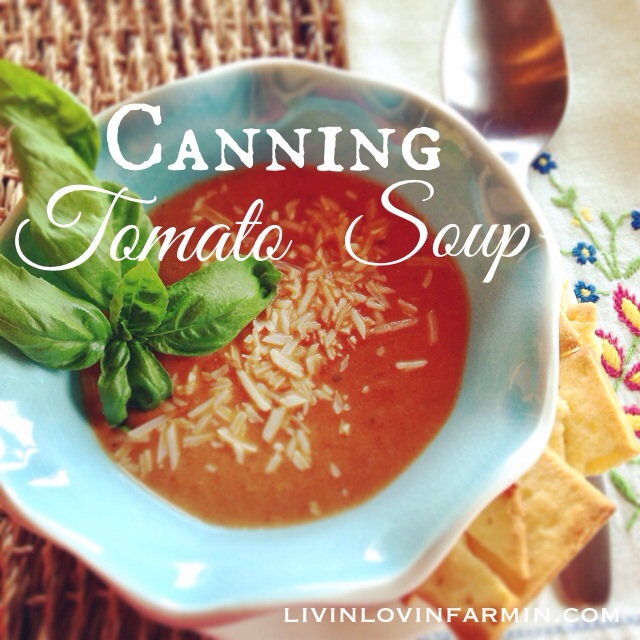
This canning tomato soup concentrate recipe is one of those recipes I come back to every tomato season.
I make it during tomato season when the garden is producing faster than we can eat it. Come winter, I can open a jar, add milk, heat it on the stove, and have homemade tomato soup on the table in minutes. Add a grilled cheese sandwich and lunch is handled.
I’ve been making and canning tomato soup for years, and this is the recipe my family actually eats. It’s rich, concentrated, and a practical way to put a large tomato harvest to work.
Why Make Tomato Soup Concentrate?
Because I don’t need to store a pantry full of water.
Making a tomato soup concentrate gives you more flavor in each jar while taking up less shelf space. When you’re ready to eat it, simply dilute the concentrate to the consistency you prefer.
It also means fewer jars to process during tomato season, which is reason enough for me.
Tomato Soup vs. Tomato Soup Concentrate
| Tomato Soup Concentrate | Ready-to-Eat Tomato Soup |
|---|
| Takes up less pantry space | Requires more jars |
| Diluted when serving | Ready to heat |
| Rich tomato flavor | Already at serving consistency |
| Add milk or cream when serving | Less flexibility |
| Useful as a cooking base | Primarily used as soup |
For a working homestead pantry, I’ll take the concentrate.
Every year I aim for a giant tomato harvest. On average, I plant roughly 75 tomato plants, so when they start ripening, they come on fast. Several years ago, I started experimenting with canning tomato soup because I wanted a good, old-fashioned tomato soup made with real ingredients. No unnecessary additives, plenty of vegetables, and something my family would actually eat.
After a couple seasons of playing mad scientist in the kitchen, I landed on this smooth, creamy tomato soup concentrate. This is now my eighth year making it, and it has become a must-have in our pantry year-round.
Ingredients
Method
- In a food processor chop onions and celery until finely chopped.
- Add onions, celery and fat to a cast iron skillet until translucent and aromatic, using just enough fat to prevent sticking and no more.
- In the food processor, working in batches, purée tomatoes and pour into a LARGE kettle or stock pot.
- Add in sautéed onions and celery, honey, salt, bay and Italian seasoning. Stir until well combined.
- Heat to a boil. Reduce to a light simmer for 2.5 hours, removing the foam and stirring frequently.
- Prepare water bath canner, lids and rings per manufactures instructions. Sanitize all tools and surfaces.
- Remove bay leaves.
- Using a food mill, slowly mill small batches of the soup. Careful this is HOT. Pour back into a large nonreactive stock pot.
- In each jar add in 2 tablespoons of lemon juice. Carefully ladle the Tomato soup into prepared hot jars leaving 1/2 inch head space. Wipe rims clean, add lid and rings and processor for 50 minutes. Based on elevation up to 1000ft.
- * Be sure to adjust your processing time for higher elevations.
- To serve;
- Heat soup in a medium pot to a light simmer for 15 minutes, add milk. Remove from heat and add 1/4 teaspoon baking soda.
- Serve in a bowl with a delicious cheesy sandwich!…and be sure to invite me over!
Choosing Tomatoes for Canning Tomato Soup
Good soup starts with good tomatoes.
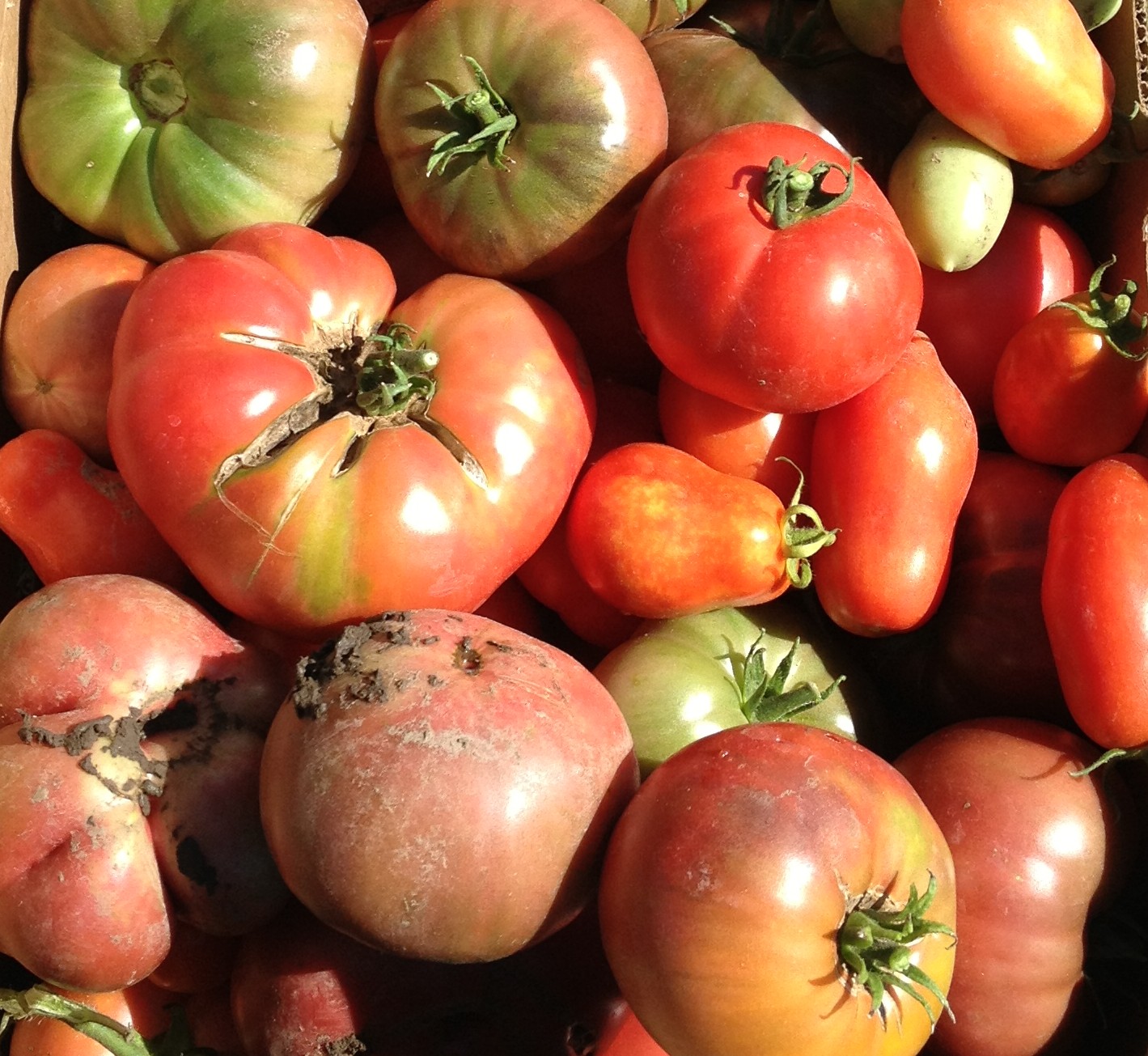
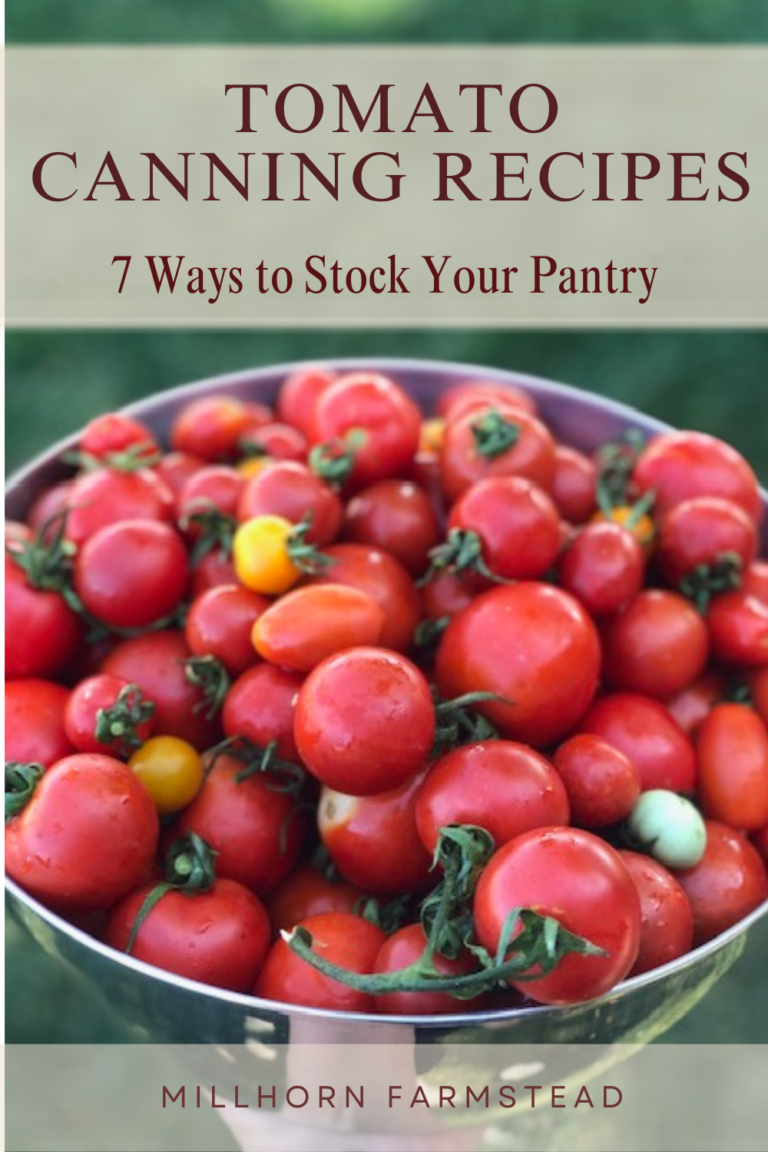
Paste tomatoes are especially nice for tomato soup concentrate because they contain more flesh and less water. Roma and San Marzano tomatoes are both good choices.
But I’m also not throwing perfectly good tomatoes to the chickens because they’re the wrong variety.
If the garden gives me a mixture of paste tomatoes and slicers, I use them. Tomatoes with a higher water content simply take longer to cook down.
Whatever variety you’re using, choose ripe, sound tomatoes and remove damaged or spoiled portions before processing.
Preparing the Tomatoes
Wash your tomatoes thoroughly and remove the stems.
Cut them into manageable pieces and place them into a large, heavy-bottomed stockpot. As they begin heating, the tomatoes will release their juice.
Stir frequently, especially in the beginning, so nothing scorches on the bottom of the pot.
Once the tomatoes have softened, process them through a food mill or tomato strainer to remove the skins and seeds.
If you preserve a lot of tomatoes, a tomato strainer is one of those tools that quickly earns its place in the kitchen.
Return the strained tomatoes to your stockpot and continue with the recipe.
Building the Flavor
This is where homemade tomato soup separates itself from a jar of plain tomato sauce.
The onions, celery and seasonings cook into the tomatoes and give the finished concentrate the savory flavor I want in an actual bowl of soup.
And because we’re making a concentrate, don’t worry that it isn’t the consistency of the tomato soup you’re accustomed to pouring from a can.
That’s intentional.
We’ll finish the soup when we serve it.
An Important Note About This Canning Recipe
This is my personal tomato soup recipe and it is not a laboratory-tested USDA or Extension canning recipe.
The recipe contains ingredients beyond plain acidified tomatoes, including low-acid vegetables and fat. Because of that, it falls outside current tested home-canning recipes that I can point you to and say, “Follow this exact tested process.”
I still choose to preserve this recipe for my own family.
That is sometimes referred to as rebel canning.
I’m sharing exactly how I make it so you can see my process, but I’m not going to tell you that an untested recipe has been scientifically validated when it hasn’t.
If you only preserve foods using currently tested home-canning methods, this isn’t the recipe for you. Use a current recipe from the USDA, National Center for Home Food Preservation, Ball or your local Extension office instead.
From here forward, the instructions describe my personal method.
Canning Tomato Soup Concentrate
Prepare the tomato soup according to the recipe below.
While the soup cooks, wash your jars and prepare your canner, lids and rings.
Fill the jars according to the recipe, leaving the specified headspace. Wipe the rims thoroughly before placing the lids and rings on the jars.
Process the jars according to my recipe instructions below, making the appropriate altitude adjustment for where you live.
Once processing is complete, remove the jars and place them somewhere they can remain undisturbed.
Allow them to cool completely before checking the seals.
Remove the rings, wash the jars if necessary, label them and move them to the pantry.
There’s something deeply satisfying about seeing those jars lined up on the shelf.
Especially when you remember that January-you doesn’t have to make tomato soup from scratch.
How to Make Tomato Soup From the Concentrate
This is where all that work during tomato season pays off.
Open a jar and pour the tomato soup concentrate into a saucepan.
Add milk until the soup reaches the consistency you like. I prefer to add the milk gradually rather than using an exact ratio because some batches of tomatoes cook down thicker than others.
Heat the soup gently, stirring occasionally.
Taste and adjust the salt and pepper if needed.
For an especially rich soup, add a splash of cream or a little butter before serving.
Then make the grilled cheese.
Obviously.
More Ways to Use Tomato Soup Concentrate
Don’t let the word soup limit you.
A good tomato concentrate can become the beginning of several quick meals. Depending on the seasonings in your batch, try using it as a tomato base for casseroles, sauces or other recipes that need a rich tomato flavor.
That’s one reason I like preserving foods that can do more than one job.
Pantry space is valuable. I want the jars sitting on those shelves to earn their keep.
Note.. If you don’t have fresh tomatoes you can use 8 quarts of stewed tomatoes.
Frequently Asked Questions
FAQ
Related Posts
-
Canning Taco Soup: A Hearty Beef and Bean Meal in a Jar
There comes a point every canning season when I stop wanting to put individual ingredients on…
-
Canning Sloppy Joes: An Easy Meal in a Jar Recipe
Canning sloppy joes is one of my favorite ways to turn ground beef and tomatoes into…
-
Homemade Bloody Mary Mix | Canning Recipe
Have you ever tasted a Bloody Mary mix that actually tastes like real tomatoes? Not the…
-
Green Tomato Enchilada Verde Sauce for Canning
Canning Green Tomato Enchilada Sauce When fall frost is around the corner, I inevitably end up…
-
Canning Peaches in Honey
Canning peaches in honey is one of my favorite ways to preserve fresh peaches without using…
-
Dill Pickle Canning Recipe | Crisp Garlic Dill Pickles
There are a few things I make every summer without fail, and this dill pickle canning…



How much milk do you usually add. Also, what is the reason for the baking soda at the end? Just curious! Thanks!
I usually cut it 50/50 milk/tomato soup. I add the baking soda to level out the acidity in the soup. Its fine without it, but really makes for a smoother balance.