
A good all-purpose dry rub eliminates the need to buy a different seasoning blend for every cut of meat you cook.
This one uses basic pantry spices and takes about five minutes to make. Mix a batch, put it in a jar and keep it in the spice cabinet. When you are ready to grill steaks, smoke a pork shoulder or roast a chicken, most of the seasoning work is already done.
Making your own dry rub is also far more economical than buying small containers of barbecue seasoning. You control the ingredients, the amount of salt and the level of heat. More importantly, you have enough on hand for several meals instead of discovering an empty seasoning bottle just as the grill is getting hot.
This homemade all-purpose dry rub is sweet, smoky and savory with enough seasoning to stand up to beef and pork without overpowering chicken. You can even use a lighter coating on firm fish and roasted vegetables.
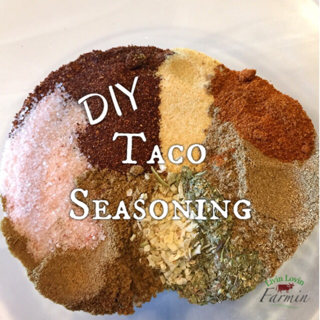
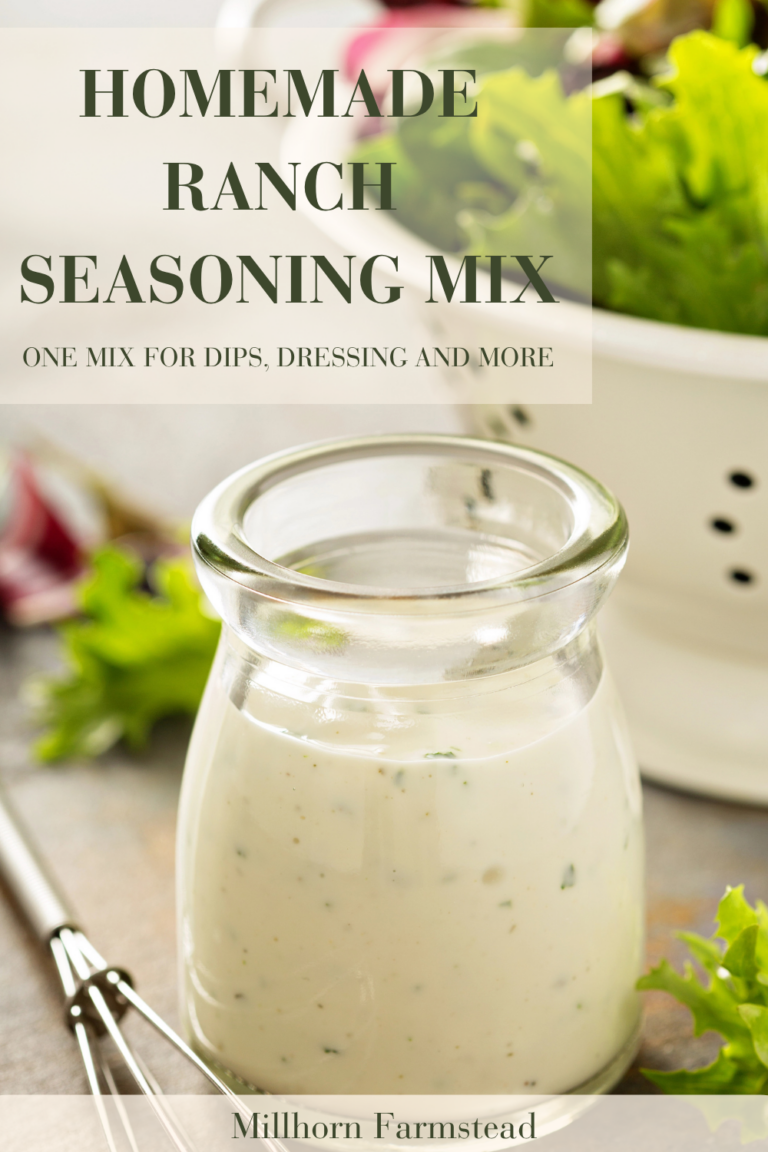
If you like keeping useful seasoning blends ready to go, try my homemade taco seasoning and homemade ranch mix next.
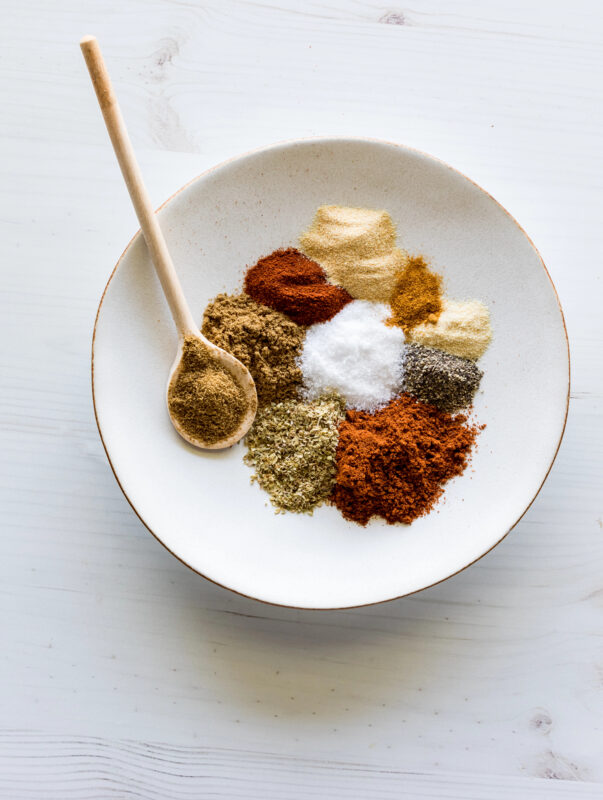
What Is a Dry Rub?
A dry rub is a blend of dried herbs, spices, salt and sometimes sugar that is applied directly to the outside of meat before cooking.
Unlike a marinade, a dry rub does not contain liquid. Marinades surround the meat in a seasoned liquid and usually require a bowl, bag or covered container. A dry rub can be applied directly to the meat shortly before cooking or several hours ahead.
Most of the spices remain near the surface, where they build flavor and help create a seasoned crust. The salt can work farther into the meat when given enough time.
This recipe contains brown sugar, which adds sweetness and helps the outside of the meat caramelize. Smoked paprika brings smoky flavor even when the meat is cooked in the oven rather than on a smoker.
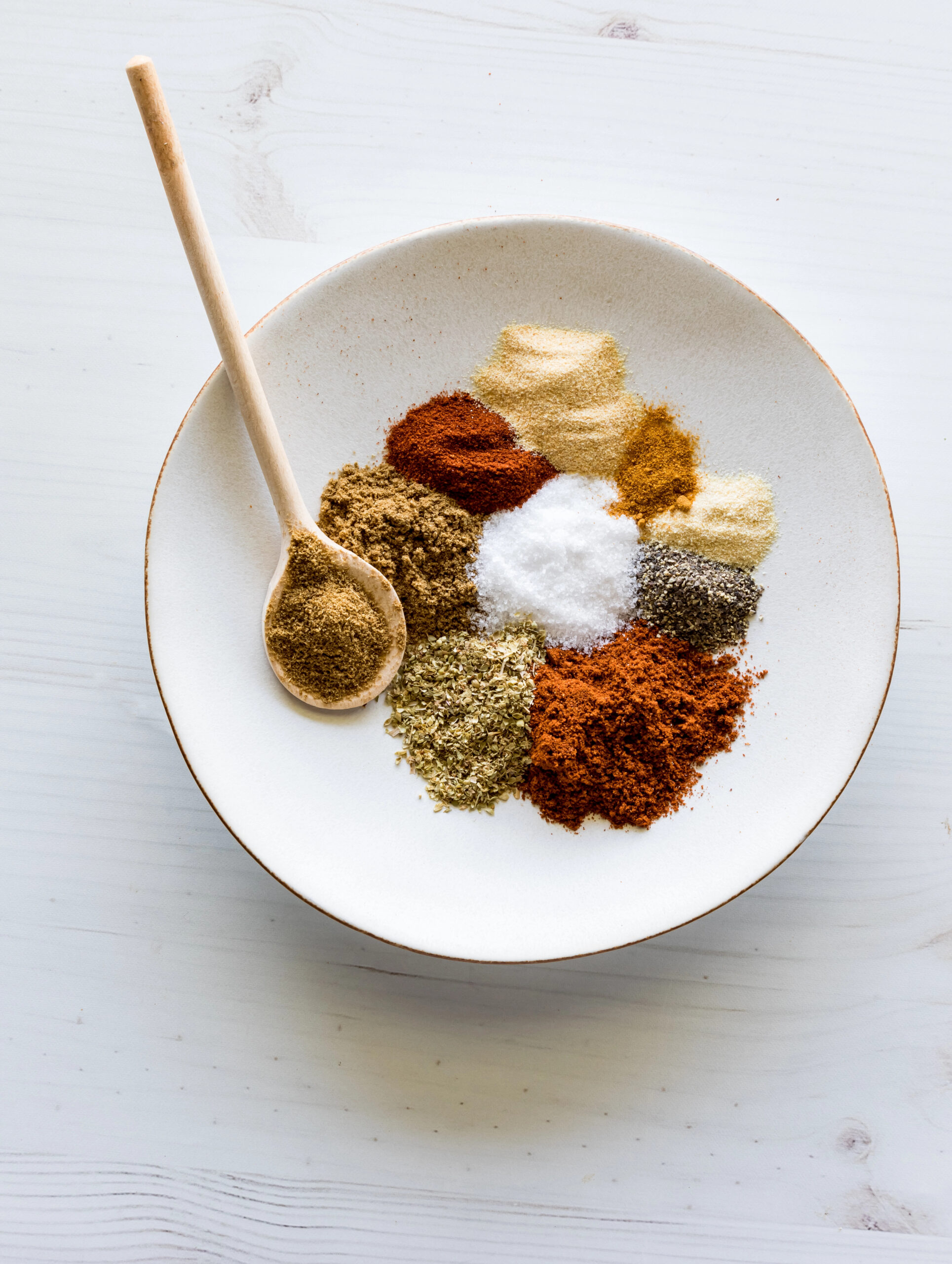
Homemade All-Purpose Dry Rub
Ingredients
Method
- Add all the ingredients to a dry mixing bowl.
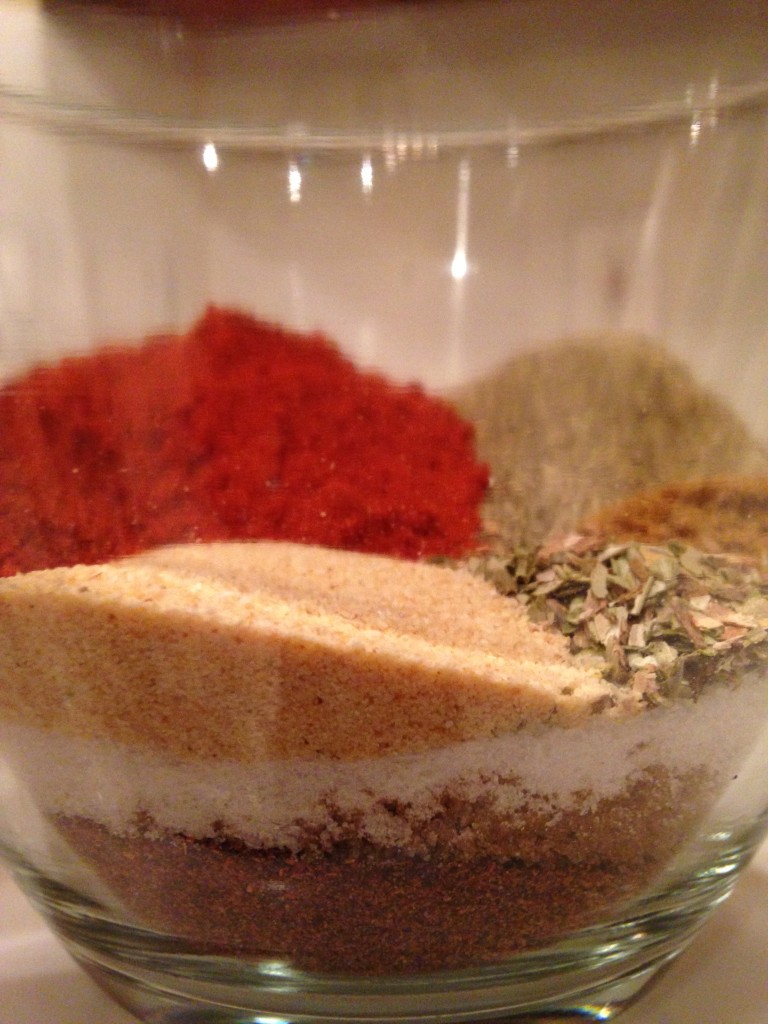
- Use a fork or whisk to combine the spices thoroughly, breaking apart any clumps of brown sugar.
- Carefully transfer the dry rub to a clean, airtight jar.
- Label the jar and store it in a cool, dark cabinet.
Notes
- This recipe makes approximately 1⅓ cups of dry rub.
- Use about ¼ cup for a full rack of ribs, whole chicken or medium-sized roast.
- Add the optional cayenne pepper for a spicier dry rub.
- Brown sugar can scorch over intense direct heat. Use controlled heat or finish thick cuts over indirect heat.
- Store in an airtight container and use within six months for the best flavor.
Why This All-Purpose Dry Rub Works
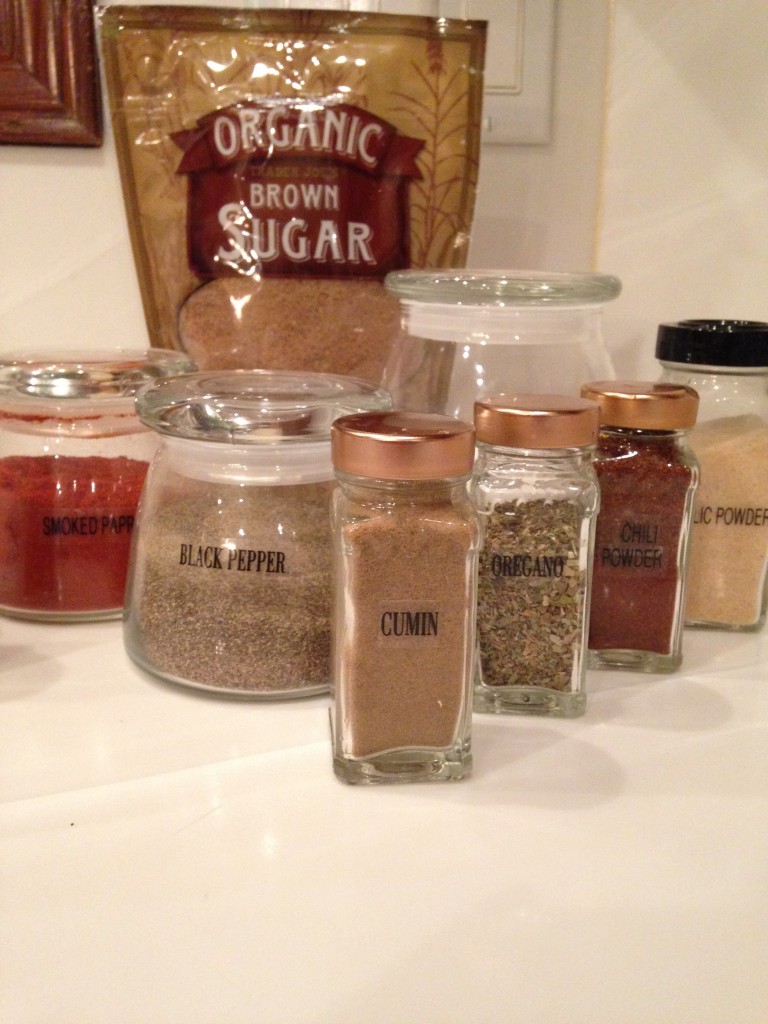
Chili powder provides the foundation without making the rub excessively hot. Smoked paprika adds color and deeper barbecue flavor, while cumin, oregano and garlic give the blend a savory finish.
Brown sugar balances the salt and helps form a flavorful crust during roasting, grilling or smoking. Black pepper adds warmth, and the optional cayenne gives you an easy way to increase the heat without changing the basic recipe.
That balance makes this a useful dry rub for different cuts of meat. It is especially good on pork ribs, pork shoulder, chicken thighs, whole chickens, steaks and beef roasts.
How to Apply Dry Rub to Meat
Begin with completely thawed meat. Pat the surface dry with paper towels so the rub adheres evenly instead of turning into wet clumps.
Sprinkle the seasoning over every exposed surface, then press it into the meat with your hands. You do not need to aggressively massage it. Firm, even pressure is enough to help the spices stay in place.
Most meat does not need a binder. The natural surface moisture is usually enough to hold the rub. For a large pork shoulder or rack of ribs, you can apply a very thin coating of yellow mustard or cooking oil first if you want the seasoning to adhere more heavily. The binder is optional.
Once the rub has been applied, either cook the meat immediately or place it back in the refrigerator until you are ready to cook.
How Much Dry Rub Per Pound of Meat?
One to two tablespoons of dry rub per pound of meat is a useful starting point, but the right amount depends on the cut.
Thin cuts have more seasoned surface area in every bite and need a lighter coating. Large roasts can handle more seasoning because the rub is spread across much more unseasoned meat when sliced.
Use these amounts as a starting point:
- Steaks and pork chops: 1 tablespoon per pound
- Chicken breasts, thighs or wings: 1 to 1½ tablespoons per pound
- Whole chicken: 3 to 4 tablespoons total
- Beef roasts and pork shoulder: 1½ to 2 tablespoons per pound
- Full rack of ribs: approximately ¼ cup
- Firm fish fillets: a light, even coating applied just before cooking
Your original quarter-cup measurement still works well for a rack of ribs, whole chicken or larger roast. It is far too much for a single steak or fish fillet, so adjust the quantity to the size of the cut.
Using Dry Rub on Beef
Beef can handle a generous amount of seasoning, especially on brisket, tri-tip and thick roasts.
Use approximately one tablespoon per pound on steaks and up to two tablespoons per pound on a large roast. Apply it at least 30 minutes before cooking when possible. Larger cuts can be seasoned several hours ahead or refrigerated overnight.
Because this recipe contains brown sugar, avoid leaving a heavily coated steak directly over intense flames. Sear it carefully, then move it to a cooler part of the grill to finish cooking.
After dinner, save the bones and trimmings for a batch of canned homemade bone broth. I would rather turn them into something useful than throw good flavor away.
Using Dry Rub on Pork
This sweet and smoky dry rub is particularly good on pork chops, ribs and pork shoulder.
Use about one tablespoon per pound on pork chops. A full rack of ribs can take approximately ¼ cup spread across both sides. For pork shoulder, use ¼ to ⅓ cup depending on the size of the roast.
Apply the seasoning two to four hours before cooking if you have time. Ribs and pork shoulder can also be rubbed the night before and refrigerated.
For an entirely different pork dinner, a jar of green tomato enchilada verde sauce makes an excellent slow-cooking sauce for pork shoulder.
Using Dry Rub on Chicken
For chicken pieces, use one to 1½ tablespoons of dry rub per pound. A whole chicken will generally need three to four tablespoons to season the outside and underneath the skin.
Pat the chicken dry before applying the seasoning. For more flavor, gently loosen the skin and apply some of the rub directly to the meat. Refrigerating the seasoned chicken uncovered for several hours can also help dry the skin before roasting or grilling.
Watch chicken carefully over direct heat. The brown sugar can darken before the meat has finished cooking, particularly when flames flare beneath the grill.
Serve grilled or roasted chicken with homemade farm-style coleslaw for a straightforward summer meal.
Can You Use This Dry Rub on Fish?
Yes, but use a much lighter hand.
This blend works best with firm fish that can stand up to a smoky seasoning. Sprinkle on a thin, even coating shortly before cooking. Fish does not need hours to rest with a salty rub, and too much seasoning can overwhelm its flavor.
The brown sugar also burns quickly during high-heat searing. Use moderate heat and watch the surface closely.
How Long Should Dry Rub Sit on Meat?
You can apply this rub immediately before cooking, but a little resting time gives the salt an opportunity to season the meat more thoroughly.
As a general guide:
- Steaks: 30 minutes to several hours
- Beef roasts and brisket: 4 hours to overnight
- Pork chops: 30 minutes to 2 hours
- Ribs and pork shoulder: 2 hours to overnight
- Chicken pieces or whole chicken: 2 hours to overnight
- Fish: Apply shortly before cooking
Keep seasoned meat refrigerated while it rests. Take it out when you are ready to prepare the grill, smoker or oven.
Preventing Brown Sugar From Burning
Brown sugar creates a beautiful crust when meat is roasted, smoked or grilled over controlled heat. Over intense direct flames, it can go from caramelized to bitter very quickly.
For grilling, set up a hot side and a cooler side. Brown the meat carefully over the hot side, then move it away from direct flames to finish cooking. If you are cooking a thick piece of meat, do most of the cooking over indirect heat.
This rub works especially well for low-and-slow cooking because the sugar has time to darken gradually instead of scorching.
How to Store Homemade Dry Rub
Combine the spices in a completely dry bowl and transfer the finished blend to an airtight container. A mason jar or spice jar with a tight lid works well.
Store it in a cool, dark cabinet away from the stove, oven and direct sunlight. Heat and moisture shorten the life of dried spices and cause the brown sugar to clump.
Use the rub within six months for the strongest flavor. It may remain usable longer when stored properly, but the herbs and ground spices will gradually lose their aroma and strength.
If the brown sugar forms clumps, break them apart with a fork before measuring. Label the jar with the name of the rub, the date it was made and the basic application amount.
I use the same make-ahead approach with other pantry staples, including homemade flavored salts. Making a larger batch once is easier than pulling out every spice each time you cook.
Turn It Into a Homemade Barbecue Gift
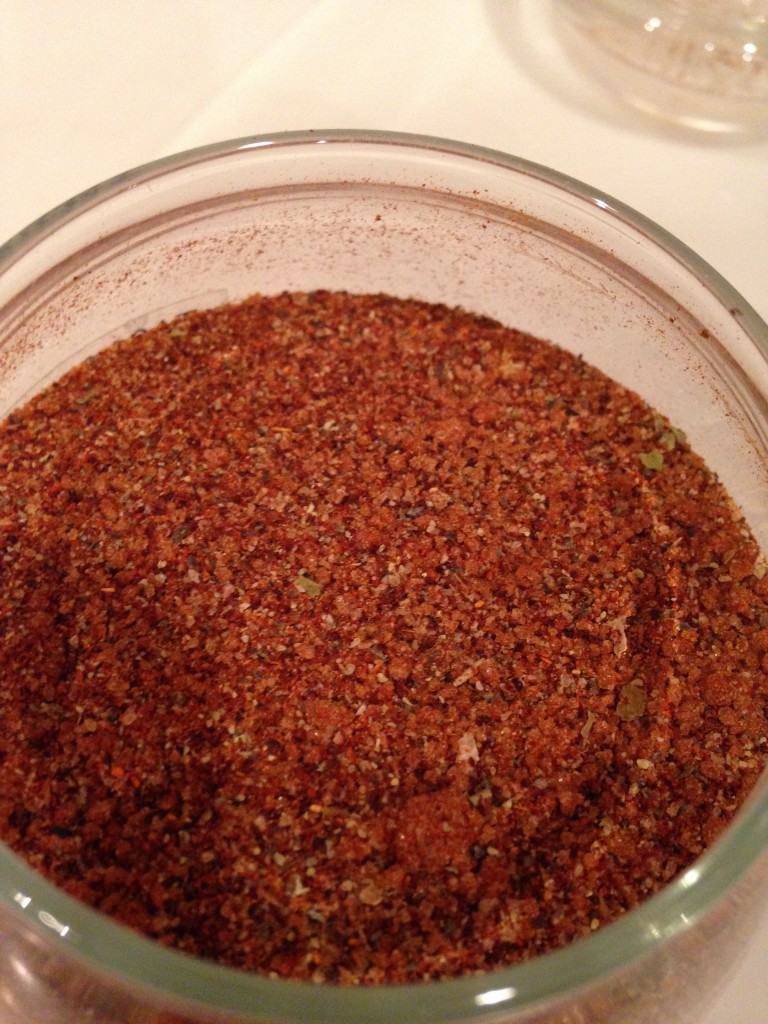
This recipe originally started as part of a Christmas gift for my brother after he discovered that he enjoyed cooking and barbecuing.
I packed the homemade dry rub into a jar and added it to a cooler with grass-fed steaks, a couple of barbecue tools and a few cold beers. It was practical, personal and something he would actually use.
Add a label telling the recipient to use one to two tablespoons per pound of meat. You could also include a jar of homemade Bloody Mary mix or old-fashioned homemade ketchup to build a larger grilling basket.
Frequently Asked Questions
Does dry rub need to be refrigerated?
The dry seasoning does not need refrigeration. Store it in an airtight container in a cool, dark cabinet. Once it has been applied to raw meat, keep the meat refrigerated until cooking.
Can I apply dry rub to frozen meat?
No. Thaw the meat completely and pat it dry before adding the rub. Seasoning will not adhere evenly to a frozen or wet surface.
Why is my homemade dry rub clumping?
Brown sugar absorbs moisture from the air. Break up the clumps with a fork and make sure the container closes tightly. Clumping does not necessarily mean the rub has spoiled, but discard it if moisture has entered the jar or anything smells unusual.
Can I make this dry rub spicier?
Yes. Add the optional one teaspoon of cayenne pepper to the original recipe. If your family prefers a mild rub, leave the cayenne out.
Can this dry rub be used on vegetables?
Yes. Lightly coat potatoes, sweet potatoes, carrots or cauliflower with oil, then add a small amount of seasoning before roasting. Start lightly because the blend contains both salt and sugar.
Is a binder required for dry rub?
No. Most meat will hold the seasoning without one. A very thin layer of oil or yellow mustard can help a heavier coating adhere to ribs or pork shoulder, but it is optional.
How to Use
Pat completely thawed meat dry before applying the seasoning.
Use one to two tablespoons of dry rub per pound of meat. Thin cuts generally need less, while large roasts can handle more. Press the seasoning evenly onto every exposed surface.
Cook immediately or refrigerate the seasoned meat for several hours before grilling, smoking or roasting.To use;
On a thawed out dry piece of meat, rub a 1/4 cup of the dry rub onto the meat and/or under the skin, massaging into the meat. (And sorry there was no other way to say that). Roast, grill, or BBQ.
More Homemade Seasoning Mixes
-
Homemade Baking Mix: An Easy Bisquick Substitute
There are mornings when I enjoy making breakfast slowly. Then there are mornings when everyone is…
-
Homemade Taco Seasoning Recipe
My family could live on tacos, which means we can go through those little seasoning packets…
-
Homemade Ranch Seasoning Mix
Store-bought ranch packets are convenient until you need one and discover there is not a single…





Meat rubs are so versatile..I absolutely love them…They make awesome gifts when placed in tins or jars..TY