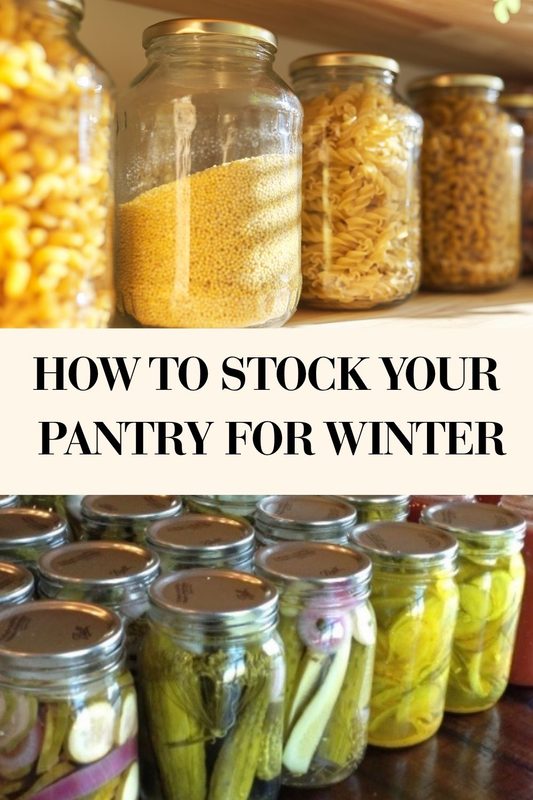
A pantry can be packed from floor to ceiling and still leave you wondering what on earth you’re going to make for dinner. There may be plenty of pickles and jam, but the hamburger is frozen solid and you’re out of the one thing you need to finish supper.
When I think about how to stock your pantry for winter, I want ingredients for the meals we eat often, some dinners that are nearly finished, and food we can use if the power goes out. Before buying more, I want to know how much of that is already in the house.
Here in North Idaho, a trip to town can be more trouble than it’s worth once the roads turn bad. Having food put away means I can stay home and cook. The question is whether those shelves and freezer packages cover a few meals or several weeks, and what’s missing from the dinners I plan to make.
This post contains affiliate links. As an Amazon Associate, I earn from qualifying purchases. If you buy through these links, I may earn a commission at no extra cost to you.
Start With the Meals You Cook Most Often
Think about the meals you’ll be making through the colder months. Soup, chili, roasts, casseroles, hot breakfasts, and baking all use different supplies. Your winter pantry should reflect how often you cook them.
A family making soup several times a week will use a lot more broth than one making it twice a month. If you bake your own bread, flour and yeast will disappear faster than they do in a household buying loaves at the store. Those differences matter more than whether your shelves resemble somebody else’s pantry photograph.
I’d start with a handful of familiar meals and account for breakfast and lunch as well as supper. The same foods can serve several purposes. Oats work for breakfast and baking. Rice can go beside a main dish or into a bowl with meat and vegetables. Tomatoes can be used in chili, soup, and sauces.
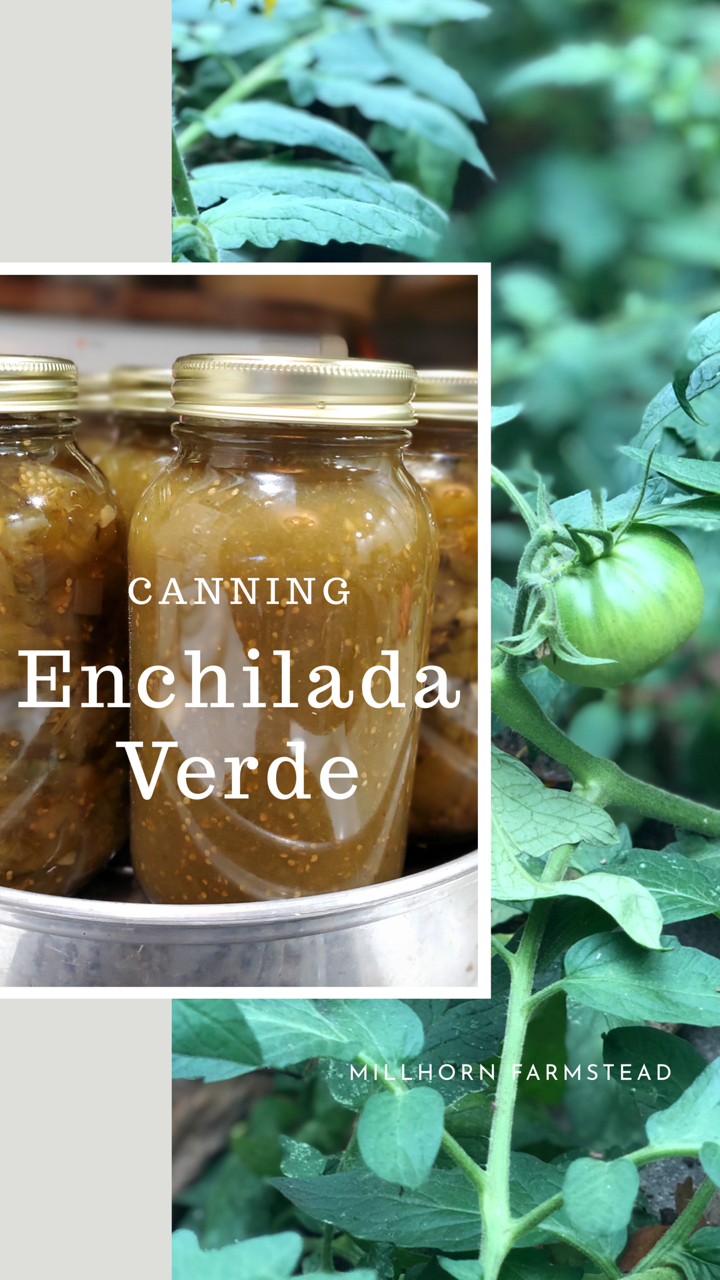
That’s why I like keeping stewed tomatoes available. I can decide what to make with them when I open the jar. Green tomato enchilada verde sauce gives me another way to use chicken without having to make the sauce that evening.
Once you have those meals in mind, compare them with the food already stored. You may need noodles, seasonings, or tortillas to finish several dinners rather than more meat or another case of tomatoes.
How Much Food Should You Stock for Winter?
The amount depends on your recipes, how many people you feed, and how long you want to go between shopping trips. A standard list of pounds and jars can be misleading if it doesn’t account for any of those things.
Use the amount your family eats at one meal, then multiply by how often you expect to serve it. If two quarts of soup feed everyone, twelve quarts cover six suppers. Include anything you normally serve with the soup when deciding whether those dinners are fully covered.
The table below gives you an example to work from. These are planning amounts, not rules about what anyone should eat. Adjust them for appetites, whether the food is a main dish or a side, and what else you serve.
How Much Food to Plan Per Person
| Food | Example amount per person | For 2 people | For 4 people | For 6 people |
|---|---|---|---|---|
| Hearty soup as a main dish | 2 cups prepared | 1 quart | 2 quarts | 3 quarts |
| Chili as a main dish | 1½ cups prepared | 3 cups | 6 cups | 9 cups |
| Oatmeal | ½ cup dry oats | 1 cup dry | 2 cups dry | 3 cups dry |
| Rice as a side | ¼ cup dry rice | ½ cup dry | 1 cup dry | 1½ cups dry |
| Applesauce or canned fruit as a side | ½ cup | 1 cup | 2 cups | 3 cups |
The oats and rice are measured dry so you can compare the amounts with what’s in the cupboard. The soup and chili are measured as finished food. Use your usual recipe to work backward from the amount of chili you need to the meat, beans, tomatoes, and seasonings required.
If a batch feeds your family twice, count both meals. If you normally serve bread with soup or potatoes with chili, include those foods too. Otherwise, you may have enough of the main dish without everything you want for supper.
This also helps with preserving. Knowing how many jars you open in a month gives you a better starting point for next summer’s canning than guessing how many will look good on the shelf.
What to Stock First
Start by buying the missing ingredients that will turn the food you already have into complete meals. If you have chicken, broth, and vegetables, noodles may be more useful than another bag of rice. If your baking supplies are nearly complete, yeast or baking powder might make several breakfasts and loaves possible.
After those gaps are filled, build extra supplies of the foods you use steadily. Once the obvious gaps are filled, this is where I would put the rest of the grocery budget:
Broth, Tomatoes, and Sauces
These get used in many cold-weather meals. Broth goes into soups, gravies, rice, and beans, while tomatoes can become the base of several different dinners.
My bone broth article covers making broth and pressure canning it. Meat broth requires pressure canning for shelf storage. If you don’t have the equipment, freeze homemade broth or keep purchased shelf-stable broth available.
Proteins, Grains, and Cooking Fats
Keep the meat, beans, lentils, rice, pasta, and oats your household actually eats. Dried beans are economical, but canned beans are convenient when time or cooking options are limited. I keep both because canned beans are quicker, while dried beans cost less and store well.
Cooking fats belong in the plan, too. Follow the storage requirements for the fats you use, and buy amounts you can use before their quality declines. Butter in the freezer and oil in the cupboard serve different needs and require different storage.
Vegetables and Fruit
Canned and frozen vegetables give you something to serve when the garden is finished. Potatoes, carrots, onions, cabbage, and winter squash may also be useful, but their storage needs differ. An unheated room that freezes isn’t automatically suitable just because it’s cold, and a warm kitchen cupboard won’t keep every vegetable well either.
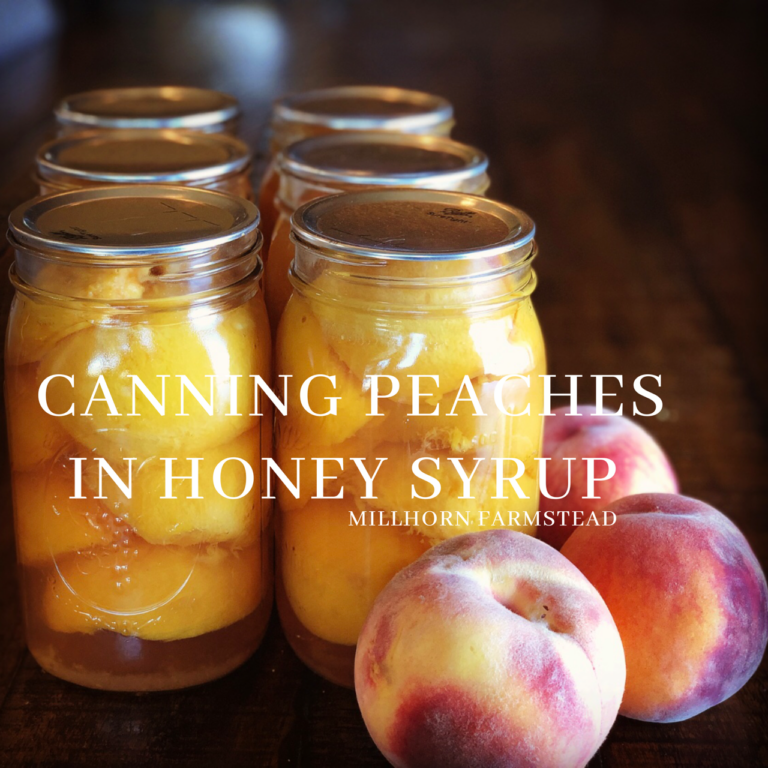
Applesauce without added sugar can go with breakfast or a pork supper. Peaches canned in honey give you fruit for lunches and snacks. I use home-preserved food alongside store-bought staples because not everything is practical to grow, raise, or preserve at home.
Baking Supplies and Seasonings
Flour is useful only if you also have what your usual recipes require. Depending on your baking, that may include yeast, baking powder, baking soda, salt, sugar, milk, eggs, and fat.
With spices, check what you use in your regular meals before buying a large assortment. A full spice cupboard isn’t necessary, but being out of the seasoning you use every week is aggravating when the rest of supper is ready to cook.
Keep a Few Easy Meals Available
Some nights I want to cook, and some nights I want to feed everyone and be done. A pantry needs to work for both.
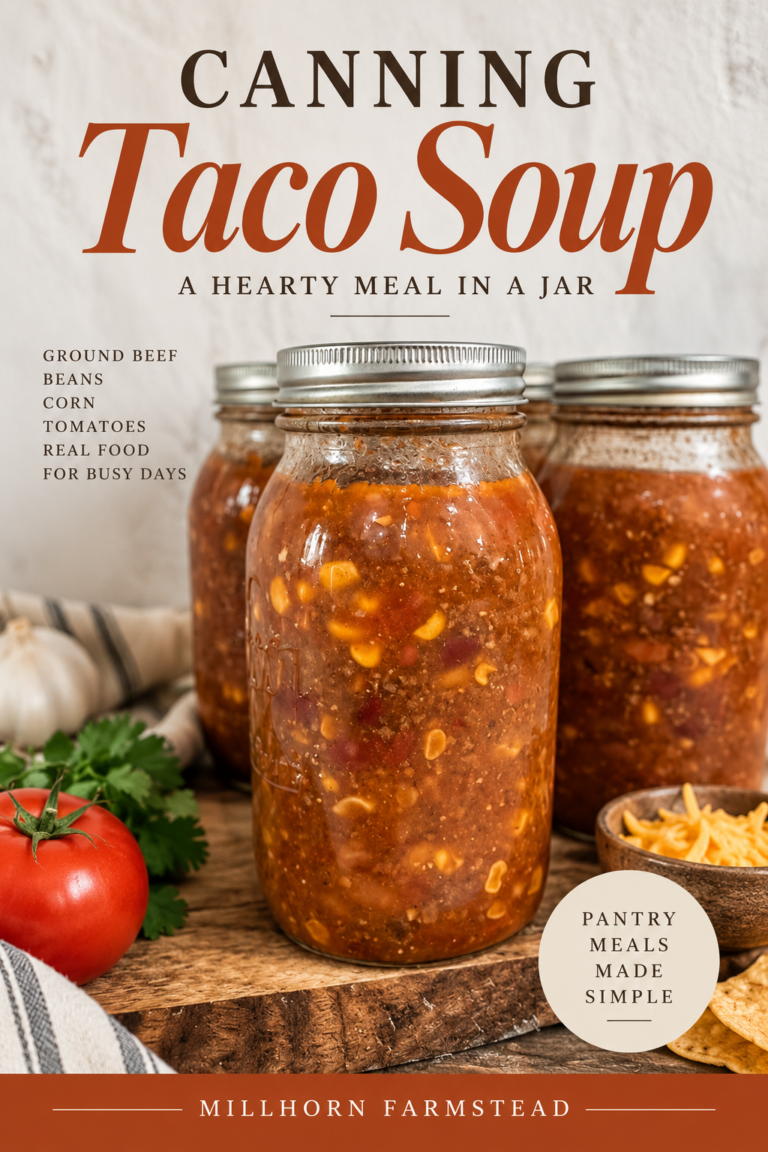
Taco soup is the kind of filling meal I like to have available when I don’t want to start supper from the beginning. Read the recipe’s preservation notes before deciding how to put it away. Any home-canned meal needs an appropriate tested processing method; an ordinary soup recipe doesn’t become suitable for canning just because its ingredients sound familiar. Freezing is another option when there isn’t a suitable tested canning method.
Quick meals can also be made fresh. Homemade cream of mushroom soup gives you a reason to keep its ingredients available for cooking, rather than trying to home-can a cream soup.
A few mixes can help with the meals you make often. My homemade quick mix works for pancakes, waffles, biscuits, and scones, with the additions listed in each recipe. This is a shelf-stable mix, so it can stay with your other pantry supplies in a sealed container.
Homemade taco seasoning, ranch mix, and basic dry spice rub are other options if those are blends you use regularly. Make amounts that suit your cooking rather than filling jars simply to have them.
Use the Food You Already Put Away
Before shopping, account for older jars, opened packages, and meat that’s been buried under newer purchases. An inventory with approximate quantities and dates is particularly useful for food stored out of sight.
Free Pantry Inventory Printables
I’ve put together a four-page printable set with a pantry checklist and separate inventory sheets for the pantry, freezer, and refrigerator. There’s room to record what you have, how much is left, and the dates, so you can refer to it when planning meals or making your grocery list. Enter your email below, and I’ll send you the printables along with recipes, preserving ideas, and homestead advice from Millhorn Farmstead.
If last year’s applesauce is still there, plan to serve it. If the freezer holds plenty of green beans, use those before buying more. And if a particular preserve sits untouched every winter, that’s worth remembering when deciding how much to make next season.
Properly processed jars should be stored with the rings removed in a cool, dry, dark place, away from heat and freezing temperatures. Don’t taste questionable food; follow proper disposal instructions if unsafe processing or spoilage is suspected.
For the freezer, plan older packages into meals while their quality is still good and allow enough time for safe thawing in the refrigerator. Food continuously frozen at 0°F remains safe indefinitely, but quality declines over time. Freezer burn affects quality rather than making food unsafe by itself.
Check available space before buying a large meat order or preparing more freezer meals. It’s easier to make room beforehand than while the food is waiting to be put away.
For dry staples you’re putting away for longer storage, Mylar bags with oxygen absorbers are an option for foods such as white rice and dry beans. If you prefer keeping smaller amounts in Mason jars, a jar vacuum sealer gives you another great way to package dry pantry foods.
Build the Pantry Without Overspending
A useful shopping order is to complete meals first, add extra of frequently used staples next, and spend on more variety as the budget allows. Set aside part of the budget for food and supplies you can use during an outage. Do not wait until the pantry is finished because it never really is.
If you can only add a little this week, buy something that makes existing food usable. Three cans of beans to go with meat and tomatoes may cover more dinners than an unrelated sale item. Once those immediate gaps are filled, another bag of oats or a few extra cans of vegetables can extend your supply.
Bulk buying is worth considering when the unit price is lower, you have suitable storage, and you’ll use the food. Whole-grain flours, oils, and nuts can lose quality before you finish a large purchase. A smaller package may be the better buy for your household.
An extra week of meals is a reasonable place to begin. Keep using and replacing the food through winter, then build further when you can. There’s no need to take money from this week’s groceries to buy a supply you won’t touch for months.
Being Snowed In Is Different From Losing Power
If a storm keeps you home but the electricity and water are working, you can cook your normal meals. Your pantry and freezer supplies need to cover however many days you expect to be unable to get to a store.
A power outage changes the plan. Food that needs long cooking, lots of water, or refrigeration after opening may be less convenient. Ready-to-eat foods, manageable package sizes, a manual can opener, water, and a safe cooking arrangement become more useful. A two-burner propane camp stove gives you a way to heat soup or cook a simple meal when the kitchen stove isn’t available.
For a three-day example, plan three days of breakfasts, lunches, and suppers your household can prepare with the equipment available. Include snacks and any dietary needs. Some meals require no heat, such as peanut butter with crackers and canned fruit. Others might include ready-to-eat canned protein or soup you can warm outdoors.
Allow for cooking water as well as drinking water, especially if your well depends on electricity. Outdoor camping stoves and grills must stay outdoors, away from doors, windows, and vents.
My power-outage preparedness article covers the wider planning. Keep those supplies in normal rotation so you know how to use them and aren’t relying on food nobody likes.
A Four-Meal Winter Pantry Example
Once you know how much your family eats, you can work out how much to keep. Using the example portions above, here’s what four people would need to serve each food four times. That could mean soup once a week for a month, or oatmeal four mornings in a single week.
| Food | Amount for one family meal or serving occasion | Number of times served | Total to account for |
|---|---|---|---|
| Hearty soup | 2 quarts prepared | 4 suppers | 8 quarts prepared |
| Chili | 6 cups prepared | 4 suppers | 24 cups, or 6 quarts, prepared |
| Oatmeal | 2 cups dry oats | 4 breakfasts | 8 cups dry oats |
| Rice | 1 cup dry rice | 4 meals as a side | 4 cups dry rice |
| Applesauce or canned fruit | 2 cups | 4 meals as a side | 8 cups, or 2 quarts |
These are five separate examples, not a complete meal plan or a month’s food supply. Add the other foods your household eats, then subtract what’s already stored. If you want eight quarts of soup available and already have six, the gap is two quarts. If you’re making it fresh, account for the ingredients that will produce that amount rather than looking for eight jars.
For purchased foods, use the servings and amounts on the package. With home-canned fruit, the liquid and pieces vary, so count how much usable fruit your jars actually provide rather than assuming every quart jar contains four cups of fruit.
The rest of your shopping list should cover your usual baking ingredients, cooking fats, seasonings, and any milk or eggs needed to finish meals. Keep storm supplies on the list as well, and make sure the food you plan to add will fit the storage you have.
Winter Pantry Questions
How do I know how much of each food to stock?
If you make soup once a week, a month’s supply means enough for four family dinners, including whatever you serve alongside it. Your usual recipe will tell you how much broth, meat, and vegetables that takes. You may already have most of it put away. Do the same with the other meals you cook often, using the amounts your family actually eats.
What should I buy first on a small budget?
Buy what will help you make dinner with the food already in the house. If you have chicken and vegetables, broth and noodles may give you several meals for a small purchase. That’s more useful than buying another bag of something simply because it’s on sale. Once those gaps are covered, add a little extra of the foods you go through most often.
How long should a winter pantry last?
Choose a goal based on your household, winter access to groceries, budget, and storage. A week or a month of complete meals is easier to assess than an unspecified number of jars. You can keep replenishing that supply throughout the season.
Do I need to can food to stock a winter pantry?
No. Purchased shelf-stable foods, frozen foods, and appropriately stored staples can provide a useful supply. Home preservation is one option, not a requirement.