
Bread and Butter Pickles Canning Recipe
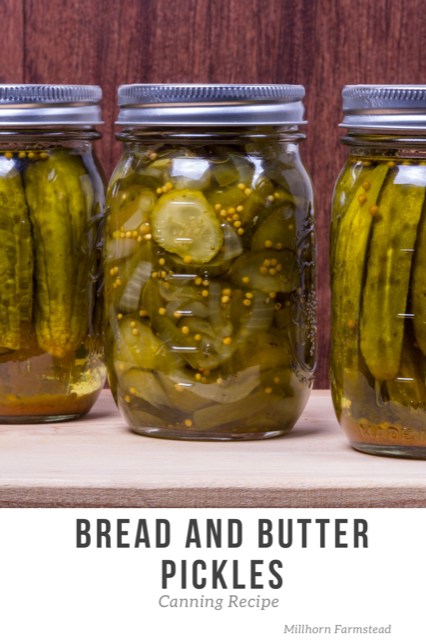
Sweet, tangy and packed with garden cucumbers and onions, these old-fashioned bread and butter pickles are an easy way to preserve an overflowing cucumber harvest.
There comes a point every summer when the cucumbers go from manageable to ridiculous.
One day, I’m picking a handful for dinner. A few days later, I’m carrying them into the kitchen by the basket and wondering how they possibly grew that fast.
That’s usually when the canner comes out.
Bread and butter pickles are one of my favorite ways to preserve that abundance. They’re sweeter than the garlic dill pickles I make every year, with plenty of onion and that unmistakable combination of mustard seed and turmeric.
They’re also one of those jars that earns its place in the pantry. We eat them alongside burgers and sandwiches, pile them onto pulled pork, and chop them into potato or egg salad.
And when cucumber season is in full swing, they’re a pretty simple way to turn six pounds of cucumbers into something we’ll use long after the garden is finished for the year.
This post may contain affiliate links. By purchasing through these links, I may make a small commission at no additional cost to you.
What Are Bread and Butter Pickles?
Bread and butter pickles are a sweet-and-sour cucumber pickle made with sliced cucumbers, onions, vinegar, sugar and warm pickling spices.
Unlike fermented pickles, bread and butter pickles don’t need to sit for weeks before they’re canned. The cucumbers and onions are first salted and chilled, then heated in a sweet vinegar brine before being processed in a water-bath canner.
The result is completely different from a traditional dill pickle.
They’re sweet, tangy and slightly spiced, with plenty of onion tucked between the cucumber slices.
The Best Cucumbers for Bread and Butter Pickles
If I’m intentionally growing cucumbers for preserving, I prefer pickling cucumbers. They’re firm, compact and hold up well in the jar.
Bread and butter pickles are also a good place to use some of those slightly larger cucumbers that got away from you in the garden.
Whatever you use, start with firm cucumbers without soft spots or signs of spoilage.
Wash them thoroughly and remove about 1/16 inch from the blossom end before slicing. The blossom end can contain enzymes that contribute to softer pickles.
I like to slice the cucumbers fairly evenly so they cook and pickle at about the same rate.
Why Soak Cucumbers in Salt and Ice?
Don’t skip this part because you’re in a hurry.
The sliced cucumbers and onions are combined with canning salt, covered with ice and refrigerated for several hours before they’re pickled.
It takes a little planning, but most of that time is hands-off. I usually get the cucumbers chilling and work on something else while they sit.
Use canning or pickling salt for this recipe rather than regular table salt. Some salts contain additives that can make the pickling liquid cloudy.
Ingredients
Method
- Prepare the Cucumbers
- Wash the cucumbers thoroughly.
- Remove approximately 1/16 inch from the blossom end of each cucumber and discard it.
- Slice the cucumbers about 3/16 inch thick.
- Thinly slice the onions.
- Salt and Chill
- Place the sliced cucumbers and onions in a large food-safe bowl or container.
- Sprinkle them with the canning salt and toss everything together.
- Cover the vegetables with approximately 2 inches of crushed or cubed ice.
- Refrigerate for 3 to 4 hours. Add more ice if needed while they chill.
- Drain the cucumbers and onions thoroughly.
- Prepare the Canner
- While the cucumbers drain, prepare your boiling-water canner and clean canning jars.
- Keep the jars hot until you’re ready to fill them.
- Prepare your lids according to the manufacturer’s instructions.
- Make the Pickling Brine
- Combine the vinegar, sugar, mustard seed, celery seed and turmeric in a large stainless-steel pot.
- Bring the mixture to a boil and boil for 10 minutes.
- Add the drained cucumbers and onions to the hot brine.
- Slowly heat everything until it returns to a boil.
- There’s no need to cook the cucumbers half to death. You’re heating them through before packing them into the jars.
- Fill the Jars
- Pack the hot cucumbers and onions into hot jars.
- Ladle the hot pickling brine over the vegetables, leaving ½ inch headspace.
- Remove trapped air bubbles and adjust the headspace if necessary.
- Wipe the rims clean and apply the lids and bands.
- Water-Bath Canning Bread and Butter Pickles
- Place the filled jars in your boiling-water canner.
- Process pints or quarts according to your elevation:
Notes
A Note About the Vinegar
When I’m making something for the refrigerator, I have a lot more freedom to play around with a recipe. Canning is different. Use vinegar clearly labeled 5% acidity. White distilled vinegar will give you a lighter, sharper pickle, while apple cider vinegar gives the finished pickles a slightly different flavor and darker color. Don’t reduce the amount of vinegar or increase the amount of vegetables in this recipe. With shelf-stable canning, the proportions matter. This is one place where I don’t measure with my heart.
Elevation
| 0 to 1,000 feet | 10 Minutes |
| 1,001 to 6,000 feet | 15 Minutes |
| Above 6,000 feet | 20 Minutes |
How to Store Home-Canned Pickles
Once the jars have cooled and you’ve confirmed the seals, label them with the contents and date.
Do this even when you’re absolutely certain you’ll remember what’s inside.
You won’t.
Store your canned pickles in a cool, dry, dark location. Check the jars periodically and discard anything showing signs of spoilage or a failed seal.
Once the jars are empty, I store mine in these jar storage boxes between canning seasons. They keep the jars organized and protected, and they’re much easier to stack than the half-falling-apart cardboard boxes my jars originally came in.
FAQ
More Canning Recipes From the Farmstead
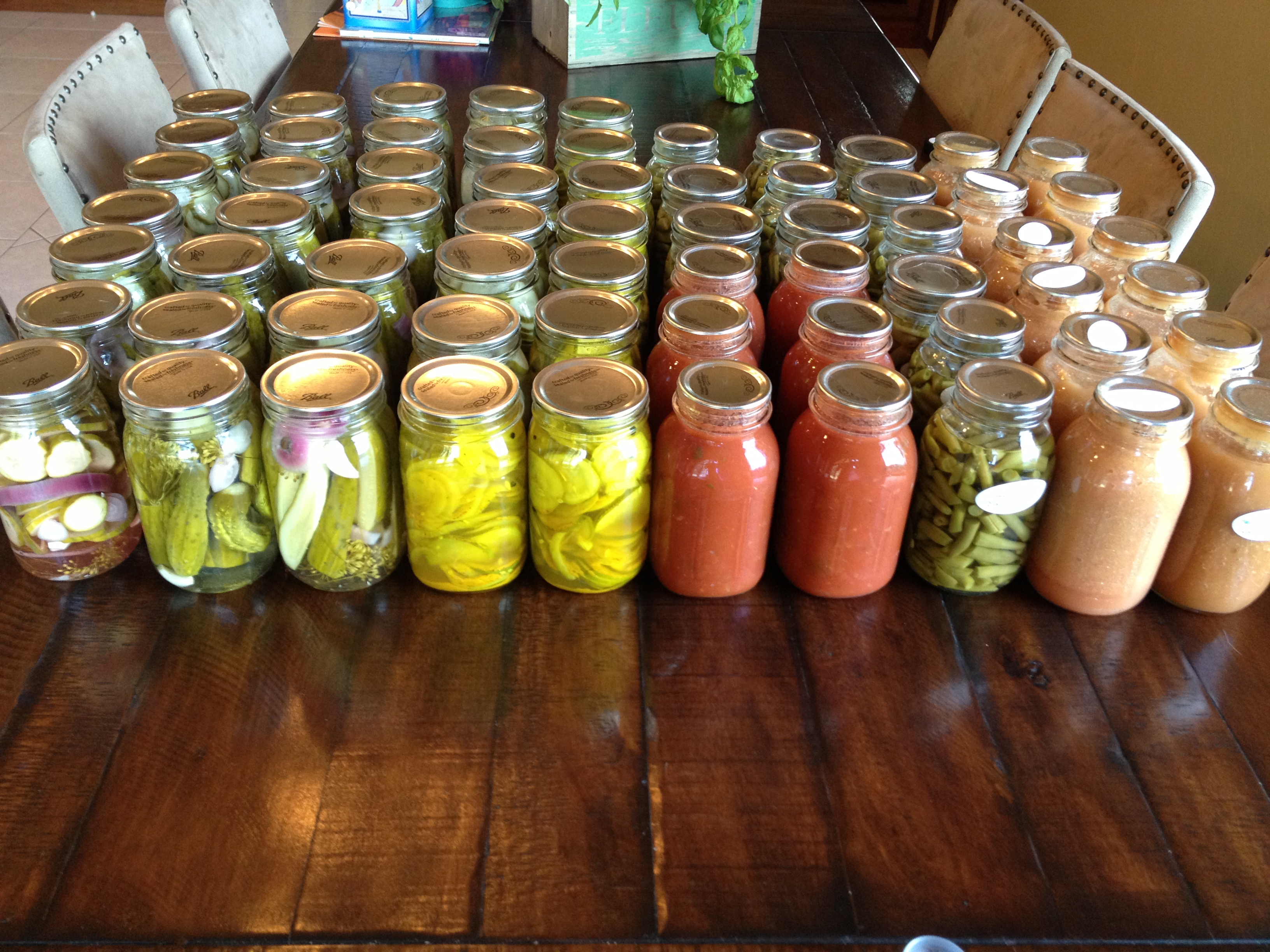
Once the canner is hot, I rarely stop with one recipe.
If the cucumber patch is still producing, make a batch of my garlic dill pickles next. They’re crisp, savory and pretty much the opposite side of the pickle spectrum from these sweet bread and butter pickles.
Pickled asparagus is another favorite when asparagus is in season, and I put up pickled beets when the garden starts giving me more beets than we can reasonably eat fresh.
That’s the rhythm of preserving season around here.
One crop comes in, the canner comes out, and before long the empty shelves start filling with jars again.
By February, when the garden is buried and cucumber season feels impossibly far away, those bread and butter pickles taste pretty darn good.
-
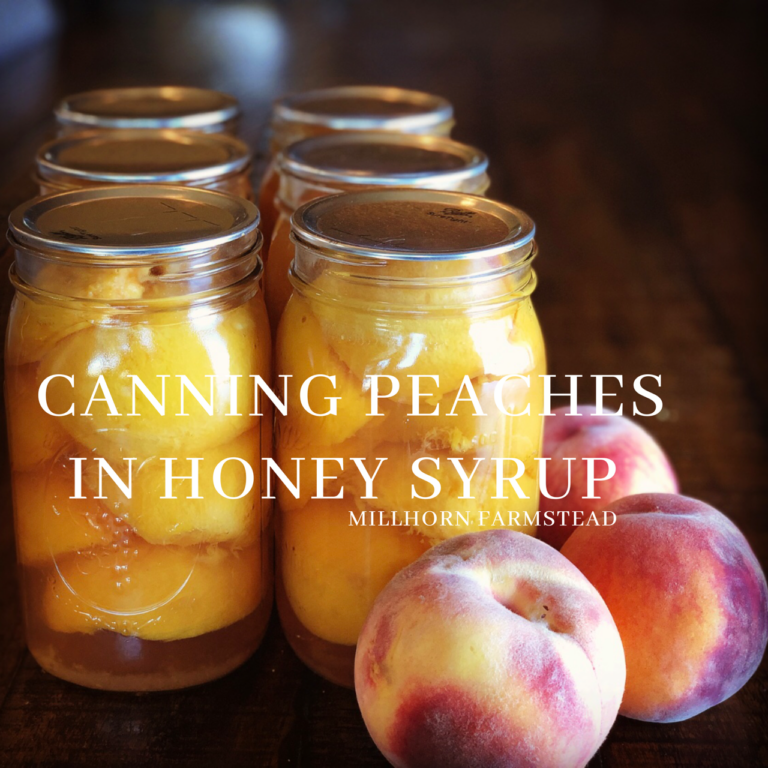
Canning Peaches in Honey
Canning peaches in honey is one of my favorite ways to preserve fresh peaches without using…
-
Canning Stewed Tomatoes: An Easy Pantry Staple
Turn an overflowing tomato harvest into jars of ready-to-use tomatoes with this simple water bath canning…
-
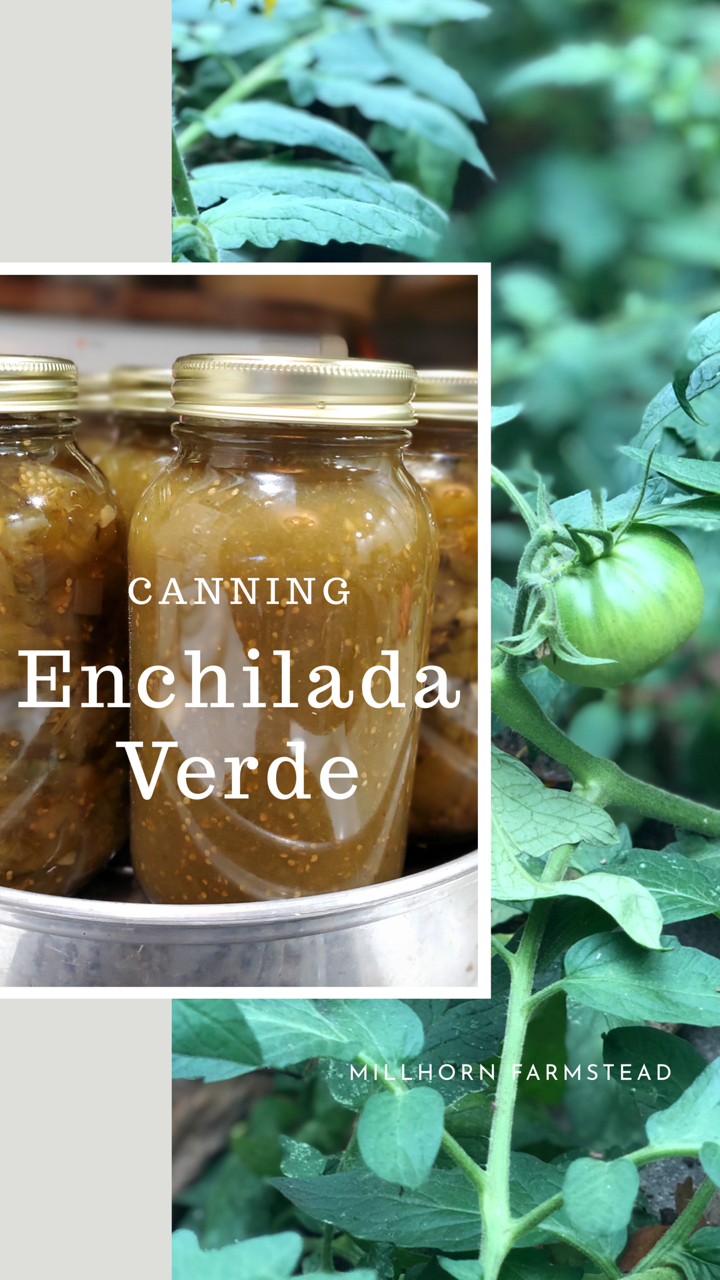
Green Tomato Enchilada Verde Sauce for Canning
Canning Green Tomato Enchilada Sauce When fall frost is around the corner, I inevitably end up…



To make these spicy, could a pepper be added and if so, which one?