By the end of summer, there is always a point when the garden starts producing unreasonable amounts of everything at once.
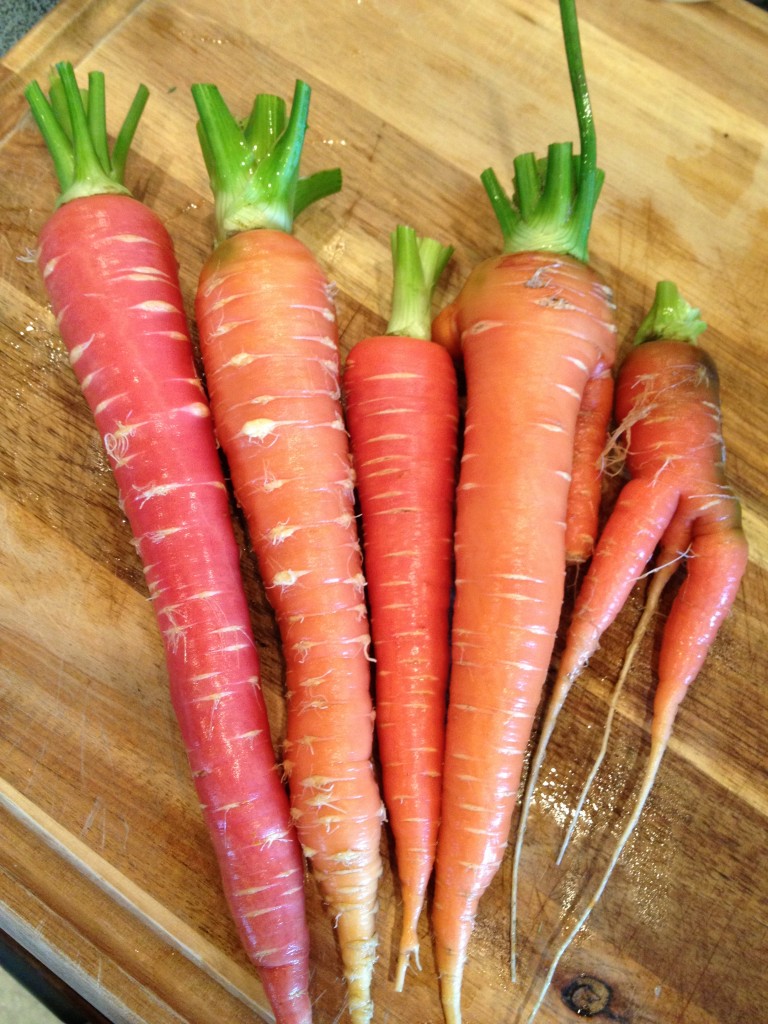
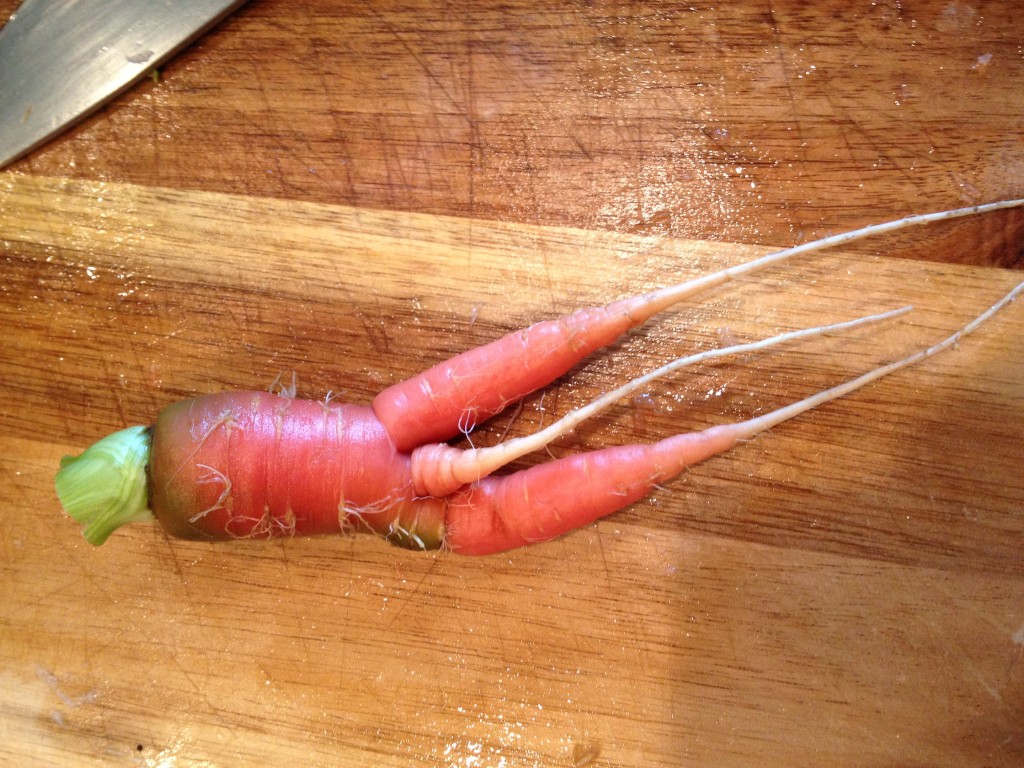
Tomatoes cover the counter. The green beans need picked again. Carrots are still in the ground, and there is always another zucchini hiding under the leaves.
That is when I make minestrone soup.
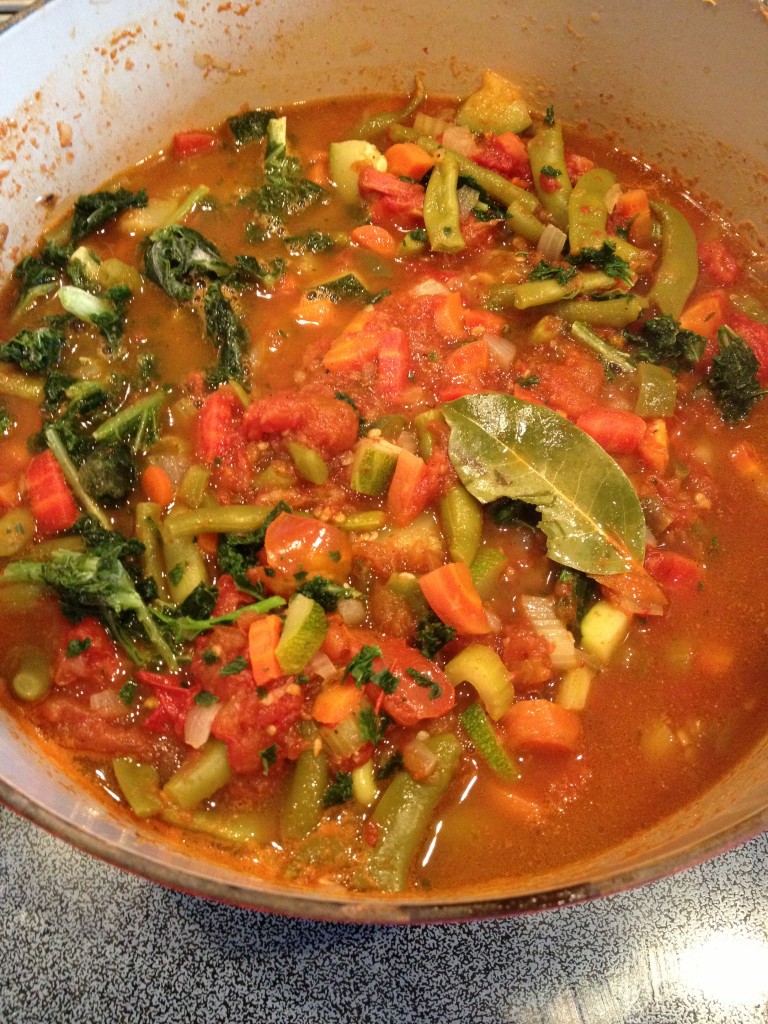
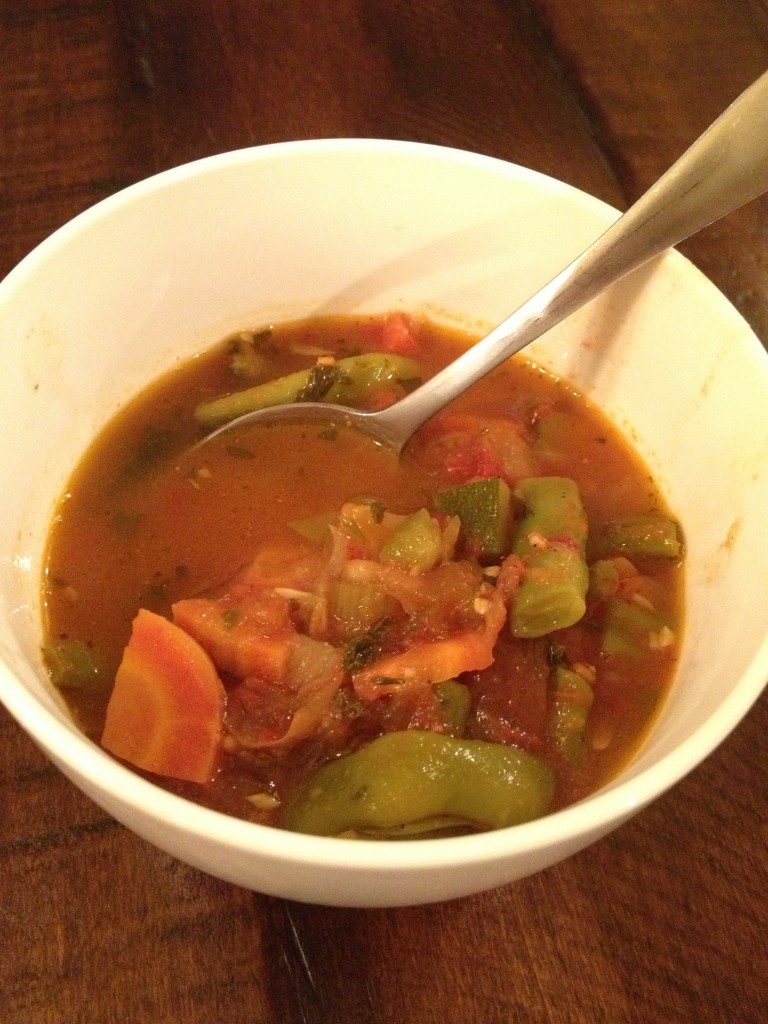
This is not a traditional Italian minestrone filled with pasta and beans. It is a thick, garden-heavy soup made with roasted tomatoes, green beans, carrots, celery, zucchini and kale. It is hearty enough to serve for dinner, but it can also be put into jars for quick winter meals.
Canning minestrone soup gives me another way to preserve the garden without putting up seven separate batches of vegetables. One jar holds the makings of an actual meal, especially after adding cooked beef, sausage, beans or pasta when it is opened.
A Minestrone Soup Made From Garden Surplus
Minestrone has always been a flexible soup. It does not require perfectly measured vegetables or a flawless harvest.
My version uses:
- Tomatoes
- Carrots
- Celery
- Onion
- Bell pepper
- Zucchini
- Green beans
- Kale
- Garlic
- Worcestershire sauce
- Broth
If you have more green beans and fewer carrots, adjust the balance. If your zucchini has grown enormous, remove the soft, seedy center and use the firm outer flesh.
The one place you cannot be quite as flexible is when filling the jars. Do not pack them solid with vegetables. The soup needs plenty of liquid surrounding the vegetables so heat can move properly through the jar.
Why Roast the Tomatoes?
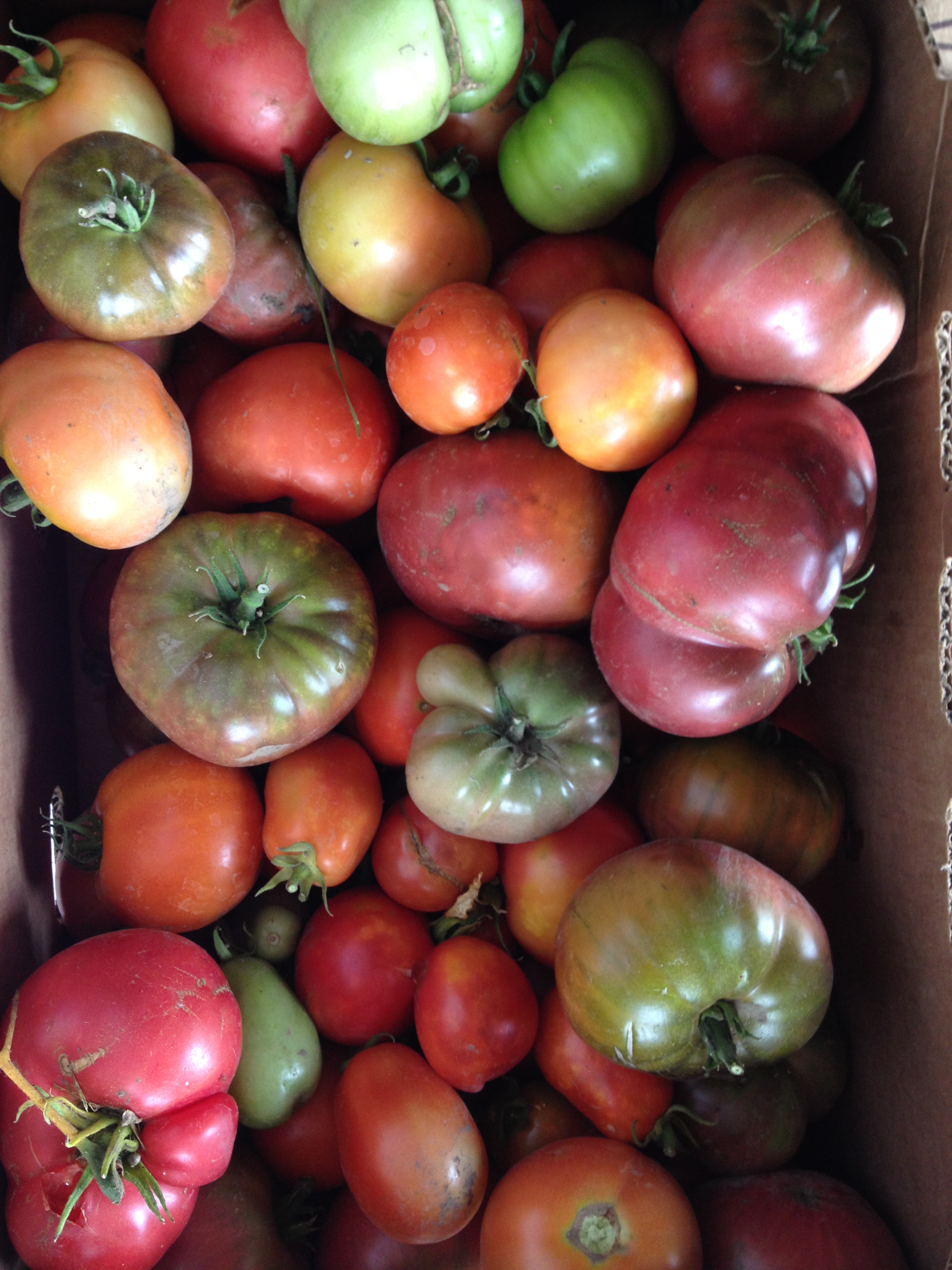
Roasting the tomatoes gives this minestrone a much richer flavor than simply dropping raw tomatoes into the pot.
The tomatoes soften, some of their extra moisture evaporates and their natural sugars become more concentrated. The garlic and Worcestershire sauce cook into the tomato juices and create the base for the entire soup.
Do not discard the liquid left on the roasting pans. Scrape the tomatoes, garlic and all those juices into the soup pot.
If your counters are still covered with tomatoes after making this soup, start working through my collection of tomato canning recipes. There are plenty of ways to put up tomatoes without filling the entire pantry with identical jars.
You can also use part of the harvest to make canned tomato marinara, which gives you another ready-made foundation for winter meals.
Minimally Sauté the Mirepoix
Mirepoix is simply the combination of onion, carrots and celery used to begin a soup.
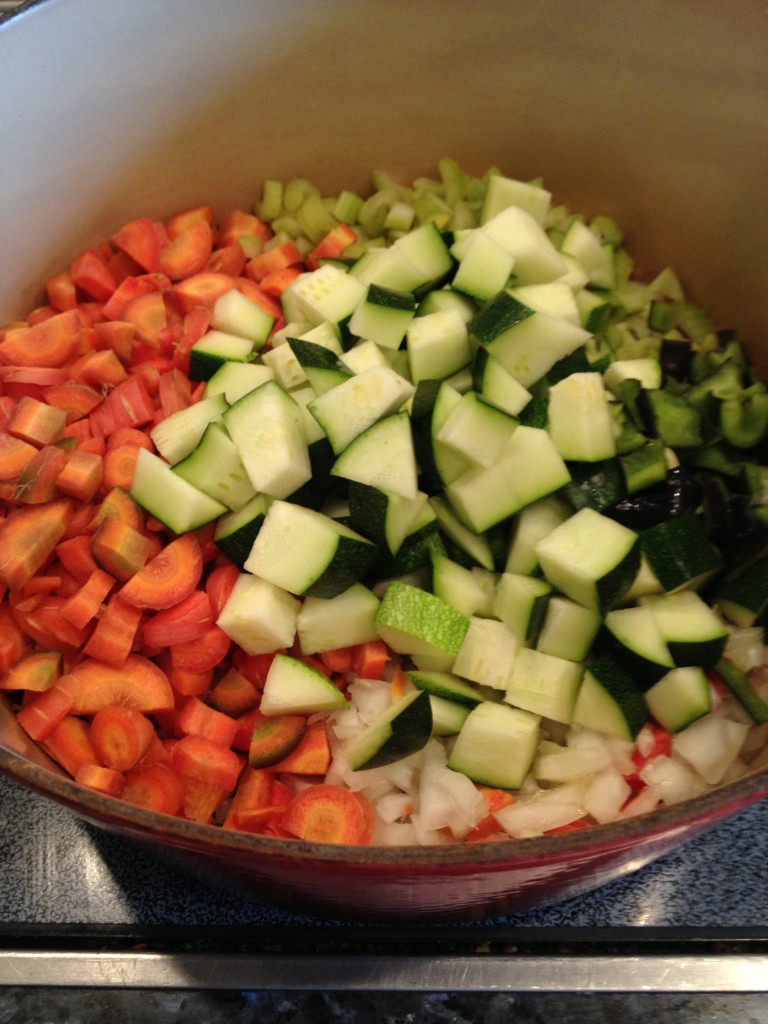
I sauté mine minimally. The vegetables only need to soften slightly and become fragrant. They will continue cooking in the soup and again during pressure canning.
Overcooking them in the beginning leaves you with vegetables that are far too soft when the jar is opened.
For the canned version, use a small amount of broth in the bottom of the pot rather than sautéing the vegetables in oil. Add the bell peppers with the mirepoix and add the zucchini during the final few minutes.
Pressure Canning Minestrone Soup With Garden Vegetables
Ingredients
Method
- Preheat the oven to 375°F.
- Arrange the tomatoes cut-side up on rimmed baking sheets.
- Sprinkle the minced garlic over the tomatoes. Drizzle with the Worcestershire sauce and season with salt and black pepper.
- Roast for approximately one hour, or until the tomatoes are soft and the edges are beginning to darken.
- While the tomatoes roast, prepare the remaining vegetables.
- Add approximately 1/2 cup of broth to a large stockpot or Dutch oven. Add the carrots, celery, onions and bell peppers.
- Cook over medium heat for approximately five minutes, stirring frequently. The vegetables should begin to soften but should not be fully cooked.
- Add the zucchini and cook for another two to three minutes.
- Scrape the roasted tomatoes, garlic and all the accumulated juices into the stockpot.
- Add the green beans, kale, bay leaves, Italian seasoning, salt, pepper and enough broth to keep the soup loose and brothy.
- Bring the soup to a boil and boil for five minutes.
- Remove the bay leaves before filling the jars.
Notes
Canning Minestrone Soup
This soup must be processed in a pressure canner. It cannot be safely processed in a boiling-water canner or atmospheric steam canner.- Prepare seven quart jars, lids and your pressure canner.
- Keep the soup hot while filling the jars.
- Using a slotted spoon, fill each jar no more than halfway with vegetables.
- Ladle the hot tomato and broth mixture over the vegetables, leaving 1 inch of headspace.
- Remove air bubbles and adjust the headspace if necessary.
- Wipe the jar rims and apply the lids and bands.
- Place the jars in the prepared pressure canner.
- Process quarts for 75 minutes, using the correct pressure for your canner and elevation.
- When processing is complete, turn off the heat and allow the canner to depressurize naturally.
- Remove the weight or open the petcock, wait another 10 minutes and then carefully remove the lid.
- Transfer the jars to a protected counter and leave them undisturbed for 12 to 24 hours.
- Check the seals, remove the bands, label the jars and store them in a cool, dark place.
Start With Good Broth
Broth makes a noticeable difference in a simple vegetable soup.
Beef broth gives the soup a deeper, richer flavor. Chicken broth produces a slightly lighter soup and lets the roasted tomatoes stand out. Vegetable broth also works if you want to keep the soup meat-free.
I usually reach for a jar of homemade broth from the pantry. This is exactly the kind of meal that makes the work of canning nourishing bone broth worthwhile.
Keep additional hot broth available when filling the jars. The moisture in fresh tomatoes varies, and you may need more liquid to bring every jar to the correct headspace.
A Straight Note About Canning Zucchini
Adding zucchini to a customizable soup recipe is generally considered rebel canning.
There is no current stand-alone USDA process for plain zucchini that clearly supports adding it to the tested customizable soup method. That does not mean no one cans zucchini in soup. I do. It means the zucchini variation has not been laboratory-tested under the current published guidelines.
If you want to remain strictly within tested soup-canning guidance, omit the zucchini from the jars. Add fresh, frozen or dehydrated zucchini when you open the soup.
If you include it, that is a decision you are making at your own discretion. Processing the soup longer does not turn an untested ingredient into a tested one.
That is the whole warning. You can decide where you stand.
Why Pasta and Beans Are Added Later
Do not put pasta, rice, flour, dairy or thickening ingredients in the jars.
Pasta and rice absorb liquid and change the density of the soup. Flour and dairy also interfere with safe heat movement through the jar.
Beans require their own preparation before canning. Rather than complicating this garden soup, I leave them out and add fully cooked beans when the jar is opened.
This also makes the finished soup more useful. One jar can become several different meals depending on what you add.
How to Serve Home-Canned Minestrone Soup
Empty the jar into a saucepan and heat it thoroughly before serving.
From there, you can add:
- Cooked ground beef
- Browned Italian sausage
- Shredded beef or chicken
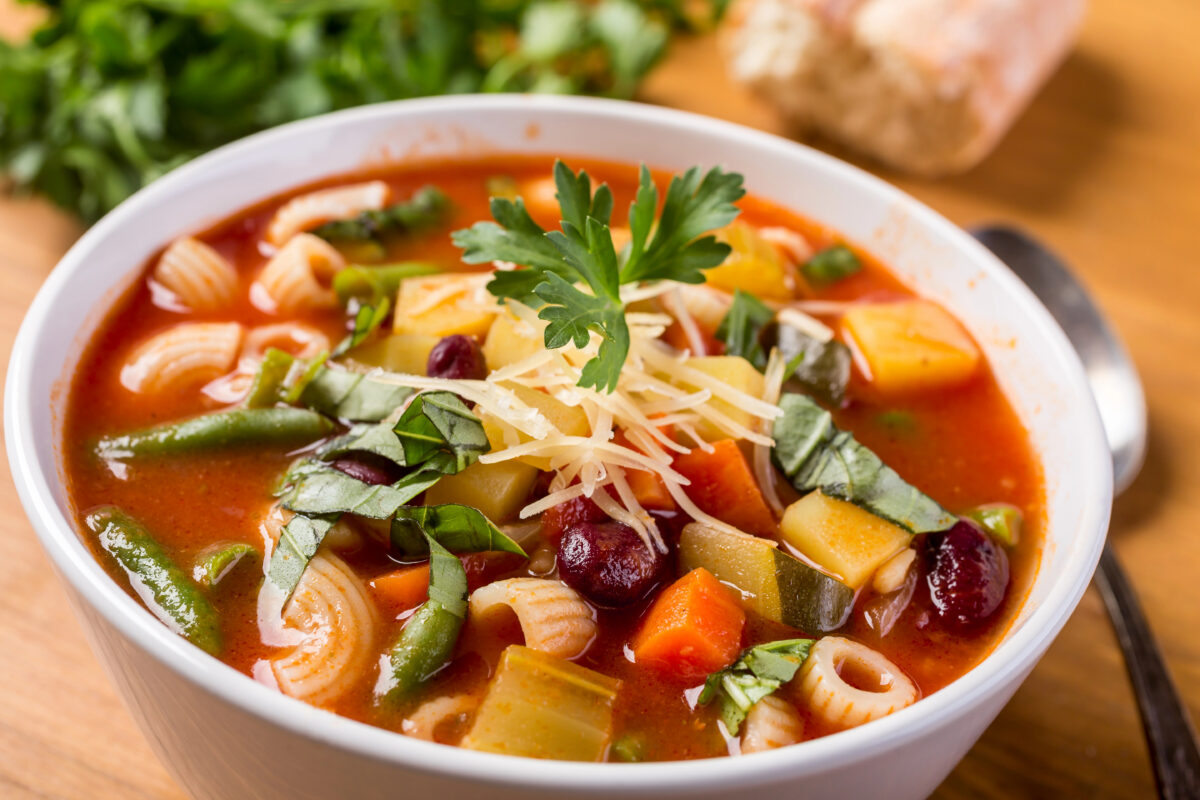
- Cooked kidney or white beans
- Cooked pasta
- Additional broth
- Fresh spinach or kale
- Grated Parmesan
- A spoonful of pesto
- Red pepper flakes
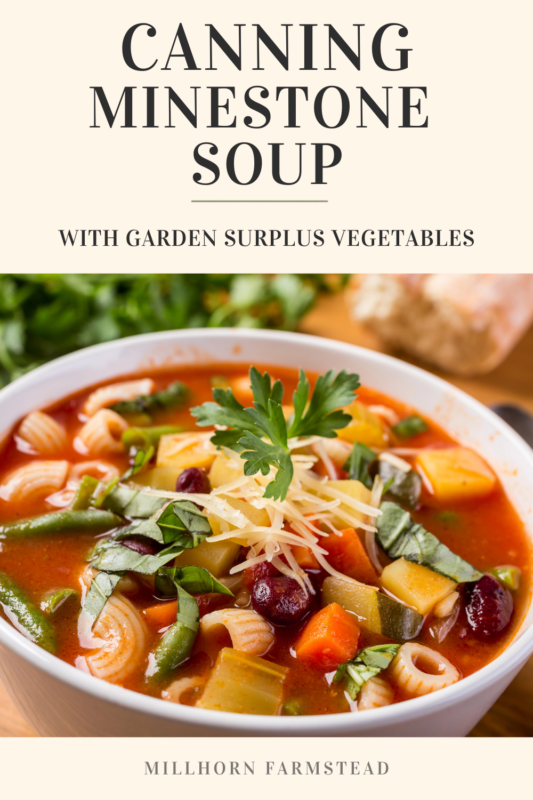
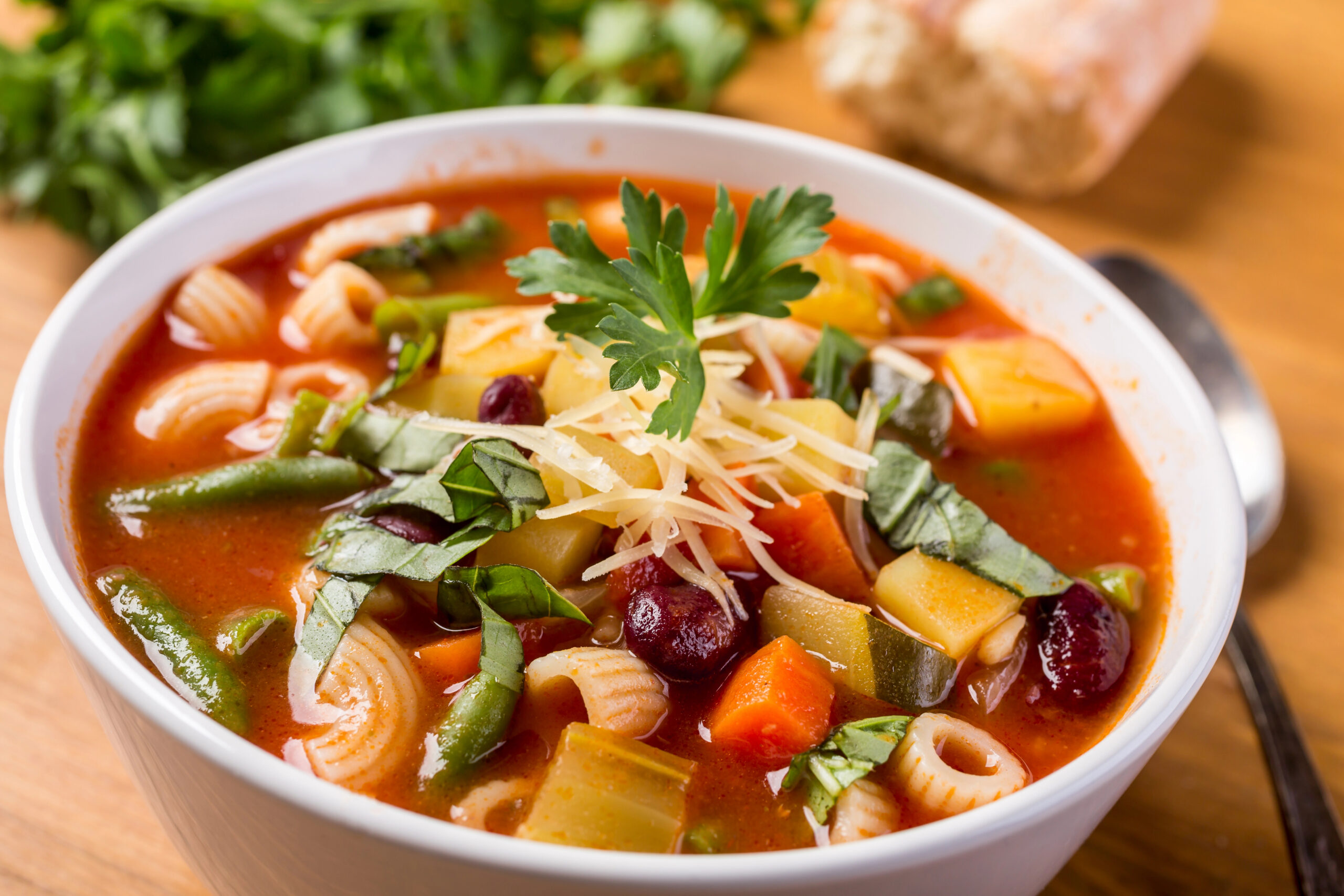
The photograph for this recipe shows the finished soup with beans and pasta. Those are serving additions. They are not included in the jars before pressure canning.
For a more substantial meal, I usually add meat and serve the soup with homemade biscuits. My homemade baking mix makes it much easier to put biscuits on the table without dragging out half the pantry.
A jar can also be stretched with additional broth and cooked pasta when more people show up at the table than expected.
FROM MY FARM TO YOUR INBOX
Get seasonal recipes, food-preservation projects and practical homestead wisdom delivered straight to your inbox.
Can You Freeze This Minestrone Soup?
Yes. If you do not want to pressure can the soup, it freezes very well.
For a freezer batch, you can sauté the vegetables in olive oil and use the full roasted-tomato recipe without making the canning adjustments.
Allow the soup to cool completely, portion it into freezer containers and leave room for expansion. Use it within three to six months for the best quality.
The zucchini will soften slightly after freezing, but that is rarely noticeable in a rustic vegetable soup.
Make the Recipe Your Own After Opening
The canned soup is deliberately left unfinished. That allows you to change it according to what you have available.
One night it can become beef and vegetable soup. Another night you can add pasta, beans and Parmesan for a more traditional minestrone. You can also add additional tomatoes or a spoonful of tomato paste if you want a heavier tomato base.
Taste the soup after opening before adding more salt. Broth and Worcestershire sauce both contribute saltiness. If it needs more seasoning, a pinch of homemade flavored salt can finish it without digging through the entire spice cabinet.
Building a Useful Prepared Pantry
A prepared pantry should contain food your family already eats.
There is little value in filling shelves with emergency food that everyone avoids until they are desperate. Jars of broth, tomatoes and soup can be used during a power outage, but they are just as valuable during illness, calving season, harvest or a week when there is no time to cook from scratch.
Soup also fills the gap between summer canning and cold-weather meals. Once the tomatoes slow down, I begin shifting toward heavier pantry staples, broth and recipes such as canning pumpkins.
Canning minestrone soup turns a counter full of scattered garden produce into seven ready-to-heat meals. That is practical food preservation, and it earns the space it takes up in the pantry.
For more ideas beyond tomatoes and soup, my home food-preservation recipes cover more of the harvest and the pantry.
More Preservation Recipes
-
Canning Taco Soup: A Hearty Beef and Bean Meal in a Jar
There comes a point every canning season when I stop wanting to put individual ingredients on…
-
Canning Sloppy Joes: An Easy Meal in a Jar Recipe
Canning sloppy joes is one of my favorite ways to turn ground beef and tomatoes into…
-
Homemade Bloody Mary Mix | Canning Recipe
Have you ever tasted a Bloody Mary mix that actually tastes like real tomatoes? Not the…
-
Green Tomato Enchilada Verde Sauce for Canning
Canning Green Tomato Enchilada Sauce When fall frost is around the corner, I inevitably end up…
-
Canning Peaches in Honey
Canning peaches in honey is one of my favorite ways to preserve fresh peaches without using…
-
Dill Pickle Canning Recipe | Crisp Garlic Dill Pickles
There are a few things I make every summer without fail, and this dill pickle canning…