How to Make Money With Livestock: 20+ Ideas for a Small Farm
When people think about making money with livestock, they often start by asking which animal is the most profitable. Chickens? Pigs? Beef cattle? Dairy cows?
After raising livestock on our farm for years, I think that is the wrong place to start.
An animal can produce plenty of milk, meat, eggs, or offspring and still cost more to keep than it brings back to the farm. Feed is expensive. Fencing is expensive. Winter hay is expensive. Processing, equipment, veterinary care, and your time all count.
If you want to make money with livestock, the better question is this: What can I raise well with the land and infrastructure I already have, and is there a local market willing to pay for it?
You also don’t have to build a large commercial livestock operation for your animals to contribute financially. Sometimes making money means selling a product. Sometimes it means raising enough meat, milk, or eggs that you are no longer buying those things for your family. On a working homestead, both matter.
Here are some of the best ways I have found to look at livestock as part of a small farm income.
Can You Really Make Money With Livestock?
Yes, but revenue and profit are two very different things.
If you sell a steer for $2,000, you didn’t make $2,000. You have to subtract what it cost you to raise that animal.
Your actual livestock expenses may include:
Purchase price or breeding costs
Feed and hay
Minerals and supplements
Fencing
Shelter
Water systems
Veterinary care
Processing
Packaging
Transportation
Equipment
Animal losses
Marketing
Your time
Dairy cows are a perfect example. A cow can provide an incredible amount of food for a family, but you still need to know what that milk actually costs you to produce.
The same principle applies to every livestock enterprise.
Before deciding something is profitable, calculate:
Income from livestock − actual cost of raising that livestock = profit
And don’t conveniently leave out the expenses you don’t want to count.
Start With Your Local Market, Not the Animal
This may be the most important advice in this entire article.
Don’t buy livestock because someone on the internet told you it was profitable.
Find the customer first.
You may read that goat meat is in high demand, but that doesn’t necessarily mean there is a strong market for it in your community. Pastured pork might sell incredibly well in one area and poorly in another. Farm-fresh eggs might have a waiting list in your town while three neighbors down the road are already trying to give eggs away.
Before investing in livestock, look at what people around you are actually buying.
Talk to customers at farmers markets. Pay attention to local farm stands. Watch local buying and selling groups. Talk to small restaurants. Ask other farmers what their customers continually request.
You’re looking for the gap between what people want and what local farms are currently supplying.
That gap might be eggs, feeder pigs, replacement dairy heifers, grass-fed beef, breeding stock, or something you haven’t considered yet.
The best livestock business isn’t necessarily the one with the highest selling price. It’s the one you can produce efficiently and sell consistently.
1. Sell Farm-Fresh Eggs
Chickens are one of the easiest places for a small farm to begin producing something customers already understand.
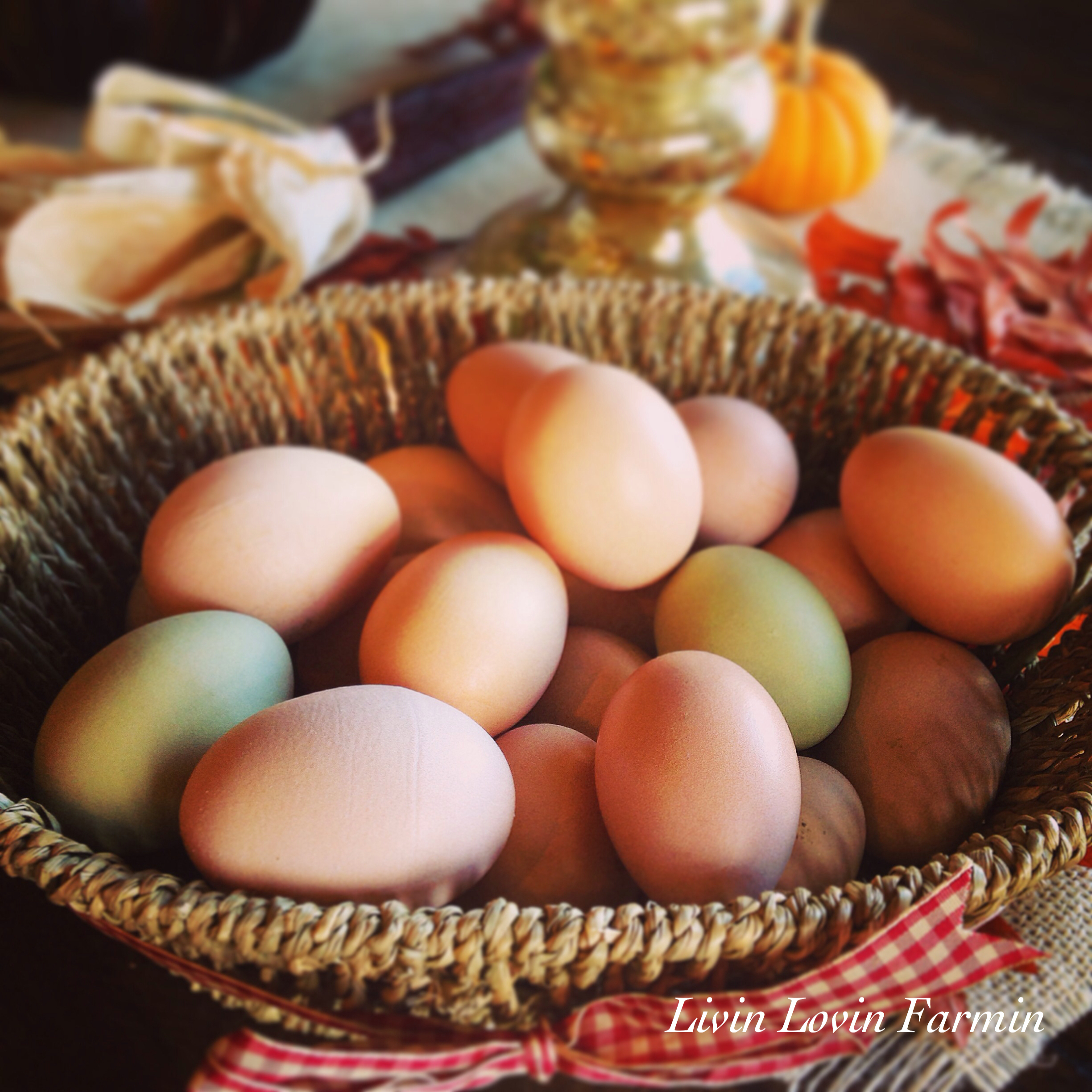
A small flock of laying hens can provide eggs for your own family first, with the surplus sold to customers.
One advantage of selling eggs is repeat business. A customer doesn’t need eggs once a year. They may need them every week.
That can create a much steadier income stream than livestock products sold only once or twice a year.
But don’t assume every dozen eggs is profit.
Calculate your feed, bedding, cartons, replacement hens, winter production, predator losses, and the amount of time you spend caring for the flock.
If your local market is already flooded with inexpensive farm eggs, you may have a hard time charging enough to make the numbers work.
2. Raise Meat Chickens
Meat chickens have a relatively short production cycle compared with most larger livestock.
That gives a small farm the opportunity to raise a batch, calculate the actual cost per bird, evaluate customer demand, and decide whether it makes sense to do another batch.
Pre-selling can also reduce the risk of filling a freezer with chickens you haven’t sold.
Before you order chicks, figure out how many birds your family needs, how many customers are interested, what feed will cost, and where the birds will be processed.
Processing availability can become a major bottleneck for small farms, so don’t wait until your birds are nearly ready before figuring that part out.
3. Sell Chicks, Hatching Eggs, and Started Pullets
Eggs aren’t the only way chickens can make money.
There can be good seasonal demand for chicks, hatching eggs, and started pullets, particularly if you’re raising desirable breeds or developing a flock known for good production.
Started pullets can be especially appealing to people who want backyard chickens but don’t want to deal with brooders and baby chicks.
This was actually part of how our own homestead grew. I started with Buckeye chickens and eventually began bringing in hatching eggs from established breeders because I wanted better genetics.
Quality matters if you want breeding stock to become an income stream. Don’t breed everything simply because you can.
4. Raise Beef Cattle
Beef cattle require considerably more land, capital, and time than chickens, but they can turn pasture into food and income.
A small farm might:
Raise feeder calves for the freezer
Sell whole, half, or quarter beef
Sell feeder calves
Maintain a small cow-calf herd
Sell replacement heifers
Develop quality breeding stock
Before adding cattle, determine what your land can realistically support. Acreage alone doesn’t tell you carrying capacity. Pasture quality, rainfall, winter feeding requirements, and grazing management all matter.
One of the biggest costs in a northern climate is feeding cattle through winter. A livestock enterprise that looks inexpensive while the cows are standing belly-deep in summer grass can look entirely different after several months of feeding hay.
5. Sell Quality Breeding Stock
Good genetics have value.
Instead of viewing every calf, lamb, kid, piglet, or chick as a future meat animal, quality breeding stock can become another farm income stream.
But this isn’t as simple as buying registered animals and charging more for their offspring.
Reputation matters.
Good breeders produce animals with traits other farmers actually want. Depending on the species, that may include temperament, production, sound udders, calving ease, mothering ability, growth, parasite resistance, or breed characteristics.
Keep good records and be selective about what you sell as breeding quality.
Not every animal born on the farm should become breeding stock.
6. Sell Replacement Dairy Heifers
This is an income stream that can make sense for an established family dairy.
A good dairy heifer from proven genetics can be valuable to another homesteader looking for a future family milk cow.
Temperament matters tremendously in this market. So do the dam’s udder, milk production, health history, ease of handling, and overall genetics.
If you’re breeding a family milk cow anyway, think carefully about the bull you choose and the calf you’re hoping to produce rather than treating breeding as nothing more than a requirement for another lactation.
For someone just entering family dairy, my Family Milk Cow Guide walks through the larger commitment involved in keeping a cow at home.
7. Sell Milk Where Legal
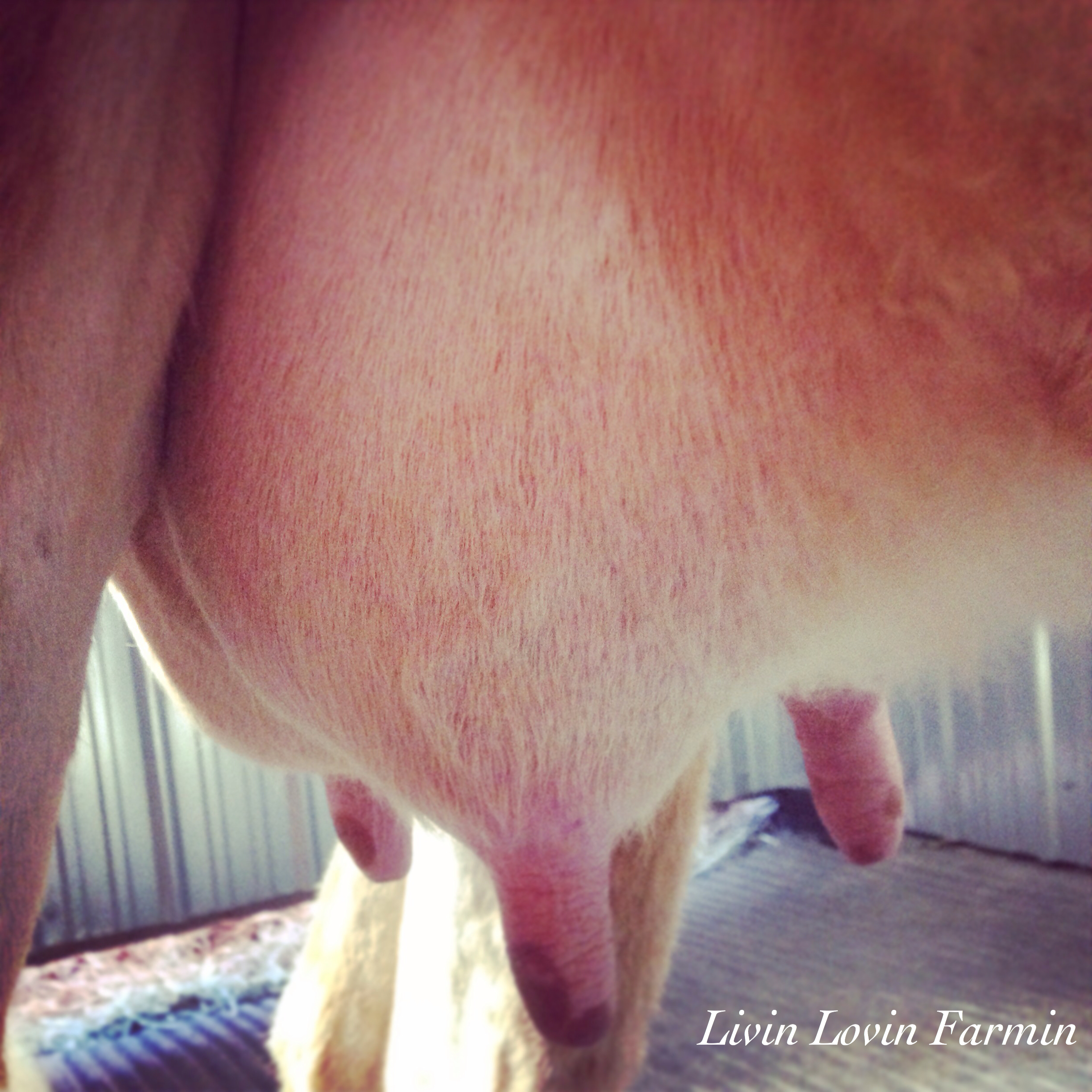
A dairy cow can produce a remarkable amount of food from one animal.
Depending on where you live and the regulations that apply, selling milk may provide a regular income stream from the farm.
Before building a business around milk sales, however, you need to understand production.
A cow producing several gallons of milk each day creates a very different situation from a lower-producing family cow. Breed, feed, genetics, stage of lactation, calf sharing, and milking frequency can all affect how much milk is available.
Milk production also doesn’t remain constant throughout the year. A cow generally reaches peak production earlier in lactation and gradually declines as she approaches dry-off.
That means your income projections shouldn’t assume the same amount of milk every day for an entire year.
8. Turn Milk Into Other Dairy Products
Milk doesn’t have to remain milk.
Depending on local regulations, dairy products may provide additional opportunities for a small farm.
Milk can become:
Cream
Butter
Cheese
Yogurt
Kefir
Cottage cheese
Other cultured dairy products
Even when you aren’t selling any of those products, this is where the indirect financial value of a family milk cow becomes significant.
Instead of buying milk, butter, cream, yogurt, and cheese separately, one animal provides the raw ingredient for all of them.
That household savings belongs in the financial equation too.
9. Raise Dairy Calves for Beef
Not every calf born to a dairy cow needs to become another dairy animal.
Depending on breed, genetics, and your farm goals, dairy and dairy-cross calves can be raised for beef.
Breeding a dairy cow to an appropriate beef bull can also produce a more marketable beef calf while allowing the cow to begin another lactation.
The important part is having a plan for the calf before breeding the cow.
If you’re going to produce a calf every year or so, that calf needs a purpose on the farm.
10. Make the Family Milk Cow Pay Her Way
Making money with livestock doesn’t always require selling something.
A family milk cow is one of the best examples.
She may provide milk for drinking, cream, butter, cheese, yogurt, a calf, beef, manure for the garden, and excess milk that can help feed pigs or poultry.
There is also flexibility in how a family cow is managed. Once-a-day milking can work well for some homesteads where maximum milk production isn’t the goal.
Sometimes the most profitable system isn’t the one producing the most.
It’s the one you can sustain without the animal taking over your entire life.
11. Raise Feeder Pigs
Pigs can fit beautifully into a diversified homestead.
You don’t have to maintain breeding sows and a boar to make pigs worthwhile.
Buying weaned feeder pigs, raising them through the warmer months, and processing them before winter can eliminate many of the complications and expenses of keeping breeding pigs year-round.
Pigs can also make use of certain farm byproducts that would otherwise be wasted. On a dairy homestead, surplus milk can be particularly useful.
Before bringing pigs home, have a plan for feed, fencing, water, processing, and customers.
Pigs have a way of making weak fencing very obvious, very quickly.
12. Sell Feeder Pigs
If you already maintain breeding pigs, selling weaned feeder pigs can create another income stream without feeding every piglet all the way to butcher weight.
There are plenty of homesteaders who want to raise their own pork but have absolutely no desire to manage a sow through breeding, pregnancy, farrowing, and weaning.
That creates a potential local market for healthy, well-started feeder pigs.
Again, check that the market exists before increasing your breeding numbers.
13. Raise Pastured or Heritage Pork
Direct-to-consumer pork can fill a niche where customers are specifically looking for locally raised meat.
But don’t assume words like “pastured” or “heritage” automatically equal profit.
Heritage breeds may grow more slowly. Pastured pigs still require feed. Fencing and water infrastructure cost money. Processing can take a significant portion of the final selling price.
Run the numbers based on your farm instead of assuming a higher selling price automatically means a higher profit.
14. Raise Meat Goats
Goats can turn brushy land into something productive in places where cattle might not be the best fit.
Meat goats can provide several possible income streams, including market kids and breeding stock.
They also come with challenges that lists of “profitable livestock” tend to gloss over.
Fencing matters.
Parasite management matters.
Predator protection matters.
Before deciding goats are inexpensive livestock, calculate what it will actually cost to contain, feed, and manage them properly.
15. Keep Dairy Goats
Dairy goats can be a more manageable alternative for someone who wants home dairy but doesn’t have the land, infrastructure, or feed resources for a cow.
Possible income streams include milk where legal, kids, breeding stock, and value-added dairy products where permitted.
Like dairy cows, however, dairy goats are a commitment. They need to be bred, freshened, milked, fed well, and managed throughout their lactation.
Smaller animal does not mean zero work.
16. Use Goats for Brush Clearing
Sometimes the animal isn’t the product.
The job it performs is.
Goats can be used for targeted grazing and brush management. In the right market, contract grazing can turn their natural browsing behavior into a service rather than simply another meat or dairy enterprise.
This is more specialized because you’ll need to consider portable fencing, transportation, insurance, animal management, and your ability to safely contain livestock away from your own farm.
But it’s a good example of looking beyond meat and milk when considering ways to make money with livestock.
17. Raise Sheep for Meat or Breeding Stock
Sheep can work well on smaller farms and in grazing systems where cattle aren’t the best fit.
Meat lambs, replacement animals, and breeding stock can all provide income opportunities.
Wool is another possibility, but don’t assume every fleece has significant value.
The cost of shearing and processing can quickly consume the value of ordinary wool. Specialty fiber marketed directly to people who spin, knit, or create fiber products is an entirely different market.
Research the customer before building the flock.
18. Raise Rabbits
Rabbits require relatively little space and reproduce quickly, which makes them attractive to people trying to produce food or farm income on limited acreage.
Potential income can come from meat rabbits, breeding stock, fiber rabbits, or manure.
But fast reproduction can become a liability when you don’t have customers.
Don’t build a large rabbit operation simply because rabbits reproduce quickly and then start looking for somewhere to sell them.
Find the market first.
19. Keep Bees
Bees are different from most of the livestock on this list because they require very little acreage.
Honey is the obvious product, but an established beekeeper may have additional income opportunities from beeswax, queens, colonies, and other hive products.
Bees also provide something that is harder to put a price on: pollination.
If you have gardens, fruit trees, berries, or other crops, improved pollination can increase production elsewhere on the farm.
That makes bees another good example of livestock providing both direct and indirect financial value.
20. Sell Manure or Finished Compost
Yes, even manure can have value.
Gardeners need fertility, and livestock produce plenty of it.
Depending on your livestock and setup, aged manure or finished compost may become something you sell, trade, or use yourself.
Using it in your own garden may actually be more valuable than selling it if it reduces purchased fertilizer and soil amendments while improving food production.
The animal doesn’t have to hand you cash for it to save you money.
21. Use Livestock to Reduce Farm Expenses
This is one of the most overlooked ways livestock make money.
Sometimes the return isn’t a check from a customer. It’s something you no longer have to buy or a job you no longer have to pay someone else to do.
Livestock can:
Produce meat for the freezer
Provide milk and dairy products
Produce eggs
Fertilize pasture and gardens
Control brush and weeds
Utilize land that isn’t suited to crop production
Consume certain farm and garden byproducts
Produce replacement animals
Improve pasture when managed correctly
Reduce purchased food and fertilizer
Those savings are real.
A family milk cow may replace a large portion of the dairy you would otherwise buy. Beef cattle can fill the freezer with meat your family no longer needs to purchase. Even livestock manure has financial value when it replaces purchased fertilizer and improves the garden.
Profit isn’t always cash coming through the farm gate.
Profit isn’t always cash coming through the farm gate.
22. Build Multiple Income Streams From the Same Animal
This is where a diversified homestead can become much more efficient.
A dairy cow doesn’t only produce milk.
She may provide milk for the family, cream, butter, cheese, a calf, replacement heifers, beef, manure, and excess milk for pigs or poultry.
A chicken can provide eggs, chicks, hatching eggs, meat, manure, and pest control.
A sheep might provide lambs, meat, breeding stock, wool, and grazing.
Instead of asking, “How much money can this animal make?” ask, “How many useful products or services can this animal provide?”
That’s a much better way to evaluate livestock on a small farm.
How to Know if Livestock Will Actually Be Profitable
Before adding a new animal or expanding your herd or flock, answer these five questions.
1. Do I Already Have a Market?
Identify your customer before increasing production.
Producing more doesn’t create demand.
2. What Will It Actually Cost Me?
Include feed, hay, minerals, fencing, equipment, health care, processing, transportation, losses, and infrastructure.
If you’re considering a family dairy cow, use a milk cow cost calculator before bringing her home. The purchase price of the cow is only the beginning of what she will cost to keep.
3. How Much Time Will It Require?
Your time has value.
An enterprise that brings in several thousand dollars while requiring hundreds of hours of work may not be nearly as profitable as it first appears.
4. Does the Livestock Fit My Land?
Don’t force an animal onto property that can’t support it efficiently.
Cattle are a good example. How much land you need to raise cows depends on pasture productivity, climate, supplemental feeding, and management, not simply the number of acres you own.
Sometimes choosing a smaller animal or keeping fewer animals makes considerably more financial sense.
5. Can I Start Small?
This is one of the best ways to protect yourself financially.
Raise 25 meat chickens before raising 250.
Raise two feeder pigs before buying breeding sows.
Keep one family milk cow before dreaming about a dairy herd.
Prove that you can raise the animal well, determine your true costs, and find paying customers before scaling.
Don’t Forget the Cost of Your Time
Homesteaders are notorious for pretending our labor is free.
It isn’t.
Feeding before work counts.
Breaking ice in water troughs counts.
Milking early in the morning counts.
Driving livestock to the processor counts.
Spending Saturday at the farmers market counts.
Repairing the fence after the goats demonstrate once again that fences are merely suggestions counts.
You may decide the lifestyle, food quality, or satisfaction of raising your own food is worth some unpaid labor. I certainly think there is value in things that don’t show up neatly on a spreadsheet.
But don’t call an enterprise profitable without knowing what it requires from you.
Understand the Rules Before You Sell
Selling farm products can come with different requirements depending on where you live, what you’re selling, how much you’re selling, and where you’re selling it.
That can include rules surrounding:
Raw milk
Eggs
Meat
Poultry processing
Dairy products
Farm stands
Farmers markets
Product labeling
Livestock transportation
Zoning
Value-added foods
Research the current requirements that apply to your location and product before you begin selling.
Don’t build the business first and investigate whether you’re allowed to operate it afterward.
What Is the Most Profitable Livestock for a Small Farm?
There isn’t one answer.
Chickens may be profitable for someone with an established egg route and inexpensive feed.
Beef cattle may make sense for a family with good pasture, fencing, and customers looking for locally raised beef.
A dairy cow may provide tremendous value to a household that consumes a lot of dairy and can make use of the surplus milk.
Pigs may fit beautifully on a farm that already has dairy byproducts and customers waiting for pork.
Goats may make sense on brushy ground that isn’t well suited to cattle.
The most profitable livestock for your small farm is the animal that fits your land, skills, available time, infrastructure, and a market you can actually reach.
Frequently Asked Questions About Making Money With Livestock
What Livestock Makes the Most Money?
There is no single livestock species that is always the most profitable. Profitability depends on feed costs, land, infrastructure, labor, processing, local market demand, and how efficiently you can raise and sell the animal or products it produces.
What Is the Easiest Livestock to Raise for Profit?
Chickens are often one of the easiest animals for beginners because they require less land and startup capital than cattle or other large livestock.
That doesn’t guarantee a profit. Feed costs, predator losses, winter egg production, and an oversaturated local egg market can quickly change the numbers.
Can You Make Money With Just a Few Animals?
Yes.
A small number of animals can generate direct income through eggs, meat, breeding stock, milk where legal, or other farm products.
A few animals can also reduce household expenses by producing food, fertilizer, replacement animals, and other resources your family would otherwise purchase.
How Much Land Do I Need to Make Money With Livestock?
It depends on the animal.
Rabbits, poultry, and bees can be raised on relatively little space. Grazing animals require considerably more land, and pasture carrying capacity varies tremendously from one property to another.
Don’t choose livestock based solely on the acreage you own. Look at what that acreage can actually produce.
Is a Family Milk Cow Profitable?
A family milk cow can provide enormous household value, but profitability depends on what she costs to maintain and how much of her production you can actually use.
Before buying one based on the value of the milk alone, understand how much milk a family milk cow produces, how production changes throughout lactation, and the cost of feed, hay, minerals, breeding, equipment, and veterinary care.
How Do I Find Customers for Farm Products?
Start locally.
Find out what people are already looking for, what’s difficult to find in your area, and what existing farmers are selling.
Farmers markets, local food communities, farm stands, repeat customers, and word of mouth can all help build a customer base.
Whenever possible, establish demand before dramatically increasing production.
Do Livestock Require Daily Care?
Yes.
There is no truly passive livestock income.
Some animals require less daily labor than others, but living animals still require feed, water, appropriate shelter, health checks, and management.
If you’re just beginning, start with livestock that fit your current life rather than trying to rearrange your entire life around too many animals at once.
Start Small and Let the Livestock Earn Its Place
Livestock can absolutely help a small farm make money.
But I wouldn’t choose an animal because an article told me it was the “most profitable livestock.” I’d choose an animal because it fits the land, I know how to care for it, and I have a reason to believe there is a market for what it produces.
Then I’d start small.
Keep records. Know what you’re spending. Pay attention to how much time you’re investing. Learn what your customers actually want.
Some animals will earn their place by producing cash income. Others will earn it by putting meat in the freezer, milk in the refrigerator, eggs on the table, fertility back into the soil, or offspring into the next generation of your herd.
A good homestead doesn’t need every animal to become its own business.
But if you’re going to call something profitable, know your numbers.
That’s where making money with livestock actually begins.
Great article! So many cool ways to make a buck. I don’t think any of us are in this for the money, but to make a little here and there to offset all the costs is gratifying for sure. Gonna definitely pin this post! Thanks!!
Great article, raising rabbits can be intense and rewarding at the same time. I have been experimenting with free range rabbits lately and its working out great. They seem so happy out digging and playing. They enjoy fresh greens all day long. It’s extremely enjoyable to watch too. It’s incredible how smart they are and how quickly they adapt to their environment working with other critters to stay safe from predators. Once in a while they will put their nest in the garage and I get to play with the babies which is fun too.
I just stumbled across your website. UH, WOW!!! I have been looking for homesteading information for some time now, because I knew there was a way to make money while homesteading (selling the eggs etc). Just WOW! Your website is going on my favorites bar so I can come look often.
By the way, your grammar doesn’t suck, I am a teacher and it looked just fine to me 😉
Hi Katie! I stumbled across this post this morning while doing some homesteading research and have spent the last couples hours reading different posts your website – love it! I You mention being from Idaho and the 3 lactating cows small herdsman dairy license. I am also from Idaho and am wondering where I find information on those sorts of laws? We plan to take this process slow, like you mention in your 1st year homesteading post, but I am so worried about income taxes and things like the 3 lactating cow laws, I am having a difficult time moving forward with the small farm dream we have had for several years (most of which was on this property). Any information you could send my way would be amazing.
This is an awesome article and an awesome blog. Thanks so much for taking the time to help and supply us with information. I am an apartment dweller right now, but we’re saving up to buy our first patch of land and build our first homestead!
Love the article, but a couple of technical comments.
One, we actually use an “Angus steer” for our grass fed beef. They tend to marble out and gain weight better than their American breed counterparts. We did an impromptu study last summer in which we grilled some steaks from our grass fed steer and some from a traditional feedlot steer, and most of our neighbors preferred the grass fed beef! If you really want to get fancy, there are some ranchers out here in Northwest Texas that are even adding Wagyu bulls to their herd to up the flavor of their grass fed steers.
Two, from a veterinary standpoint, please make sure people know the health risks from standing and using a leased bull. Bulls should be tested and quarantined between farms to prevent the spread of venereal and respiratory disease. Also, if you have a herd of more than 10 or so cows, using a bull younger than 18 months to 2 years may leave you with a lot of open cows as most bulls don’t reach sexual maturity much younger than that.
I just read through your “20 Ways” and then the items at the end. Thank you for assembling this info. I am trying to learn what, if any of these options, might be right for us. You offer a number of new options I had not considered. I’m now sinking into the business plan article, which seems to make sense from the outset. It is a delight to read to-the-point, factual material in one spot. Again, thank you.
You make a great point about how the things you’re making to feed your family and keep them healthy are the same things that other people are wanting to buy too. It sounds like buying things like livestock can be a great way to earn a living. I would imagine that you’d want to find a good stock agent to help ensure you’re getting the best deal at the best time.
Cool! I never knew that people can earn around $3.50 to $6 for a pound of grass-fed beef. When you said that, it reminded me of my uncle’s dream of retiring on a farm. With that, I thought that we should find a place to buy bulls and cows now so that he can start earning money while on his dream property in the future.
The areas during which vet techs may fit are additionally extra various; some locations embody biomedical analysis, navy, pharmaceutical gross sales, and zoo/wildlife.











Great article! So many cool ways to make a buck. I don’t think any of us are in this for the money, but to make a little here and there to offset all the costs is gratifying for sure. Gonna definitely pin this post! Thanks!!
Thanks for the great information
Great article, raising rabbits can be intense and rewarding at the same time. I have been experimenting with free range rabbits lately and its working out great. They seem so happy out digging and playing. They enjoy fresh greens all day long. It’s extremely enjoyable to watch too. It’s incredible how smart they are and how quickly they adapt to their environment working with other critters to stay safe from predators. Once in a while they will put their nest in the garage and I get to play with the babies which is fun too.
I just stumbled across your website. UH, WOW!!! I have been looking for homesteading information for some time now, because I knew there was a way to make money while homesteading (selling the eggs etc). Just WOW! Your website is going on my favorites bar so I can come look often.
By the way, your grammar doesn’t suck, I am a teacher and it looked just fine to me 😉
🙂 Thank you!
Hi Katie! I stumbled across this post this morning while doing some homesteading research and have spent the last couples hours reading different posts your website – love it! I You mention being from Idaho and the 3 lactating cows small herdsman dairy license. I am also from Idaho and am wondering where I find information on those sorts of laws? We plan to take this process slow, like you mention in your 1st year homesteading post, but I am so worried about income taxes and things like the 3 lactating cow laws, I am having a difficult time moving forward with the small farm dream we have had for several years (most of which was on this property). Any information you could send my way would be amazing.
This is an awesome article and an awesome blog. Thanks so much for taking the time to help and supply us with information. I am an apartment dweller right now, but we’re saving up to buy our first patch of land and build our first homestead!
Well sited article indeed, farming is a wonderful way to keep you smilling any yet making profit with fun environment of livestock
Well sited article indeed, farming is a wonderful way to keep you smilling and yet making profit with fun environment of livestock
Love the article, but a couple of technical comments.
One, we actually use an “Angus steer” for our grass fed beef. They tend to marble out and gain weight better than their American breed counterparts. We did an impromptu study last summer in which we grilled some steaks from our grass fed steer and some from a traditional feedlot steer, and most of our neighbors preferred the grass fed beef! If you really want to get fancy, there are some ranchers out here in Northwest Texas that are even adding Wagyu bulls to their herd to up the flavor of their grass fed steers.
Two, from a veterinary standpoint, please make sure people know the health risks from standing and using a leased bull. Bulls should be tested and quarantined between farms to prevent the spread of venereal and respiratory disease. Also, if you have a herd of more than 10 or so cows, using a bull younger than 18 months to 2 years may leave you with a lot of open cows as most bulls don’t reach sexual maturity much younger than that.
Great article with some great ideas!
I just read through your “20 Ways” and then the items at the end. Thank you for assembling this info. I am trying to learn what, if any of these options, might be right for us. You offer a number of new options I had not considered. I’m now sinking into the business plan article, which seems to make sense from the outset. It is a delight to read to-the-point, factual material in one spot. Again, thank you.
It was particularly interesting to read, I certainly didn’t realize the markup price on Lamb, mainly because I don’t consume it. Thanks for sharing!
You make a great point about how the things you’re making to feed your family and keep them healthy are the same things that other people are wanting to buy too. It sounds like buying things like livestock can be a great way to earn a living. I would imagine that you’d want to find a good stock agent to help ensure you’re getting the best deal at the best time.
Cool! I never knew that people can earn around $3.50 to $6 for a pound of grass-fed beef. When you said that, it reminded me of my uncle’s dream of retiring on a farm. With that, I thought that we should find a place to buy bulls and cows now so that he can start earning money while on his dream property in the future.
The areas during which vet techs may fit are additionally extra various; some locations embody biomedical analysis, navy, pharmaceutical gross sales, and zoo/wildlife.