Owning a family milk cow is one of the most rewarding investments we’ve made for our family, but keeping one isn’t free.
So, how much does a family milk cow cost?
The purchase price is only the beginning. Once you bring your cow home, you’ll need to budget for hay, pasture, grain or supplemental feed, minerals, bedding, veterinary care, breeding, and the occasional expense you didn’t see coming.
That’s why I built this family milk cow cost calculator. Enter your own local feed prices and expenses below to estimate what keeping a dairy cow may actually cost you each month.
Because the question isn’t just, “How much does a milk cow cost to buy?”
“Can I actually afford a family milk cow?”
That’s exactly what this family milk cow calculator was designed to answer.
The cost of keeping a dairy cow can vary tremendously from one homestead to another. A family with productive pasture and inexpensive local hay may spend far less than someone purchasing hay and feed year-round.
Where you live matters. So does the size of your cow, how much she produces, whether you feed grain, how long she’s on pasture, and what hay costs in your area.
Instead of giving you one national average that may have very little to do with your farm, the calculator below lets you plug in your own numbers and estimate your monthly and yearly cost.
Family Milk Cow Cost Calculator
Enter your local prices and feeding information below. If you’re still researching and don’t know your exact costs yet, use the starting estimates and adjust them as you learn more.
Quick Answer: A family milk cow may cost roughly $150 to $350 per month to maintain, depending on hay and feed prices, pasture availability, supplements, and management. Your actual costs may be higher or lower, so use the calculator below with your local prices.
Family Milk Cow Cost Calculator
Estimate what it costs to own a family milk cow based on your own feed prices, milk production, and monthly expenses.
Feed
Other Costs
Milk Production
Monthly Cost
Annual Cost
Cost Per Gallon
How Accurate Is This Family Milk Cow Calculator?
This calculator is designed to give you a realistic budgeting estimate, not an exact prediction of what your cow will cost each month.
Your actual expenses will depend heavily on where you live and how you manage your cow. Hay prices alone can vary considerably from one part of the country to another. Pasture availability, supplemental feed, minerals, bedding, veterinary care, breeding costs, and the size and production level of your cow can all change the final number.
Use Local Prices for the Most Accurate Estimate
For the most useful estimate, replace the calculator’s starting numbers with prices from your own area. Call a local hay producer or feed store, price the minerals you plan to use, and be realistic about how many months of the year you’ll actually have usable pasture.
I also recommend leaving some room in your budget for the expenses that don’t happen every month. Veterinary visits, breeding, fencing repairs, milking equipment, and the occasional emergency may not show up in your monthly feed bill, but they’re still part of the cost of owning a family milk cow.
Think of the calculator as a planning tool. It gives you a much better starting point than a national average, but your own cow and homestead will ultimately determine what you spend.
What This Calculator Doesn’t Include
This calculator estimates the ongoing cost of keeping a family milk cow. It doesn’t include one-time expenses such as purchasing your cow, building fencing or shelter, or buying your initial milking equipment. We’ll break those costs down separately below.
One important note: This calculator estimates the ongoing cost of keeping a family milk cow. It does not include one-time expenses such as purchasing the cow, building fencing or shelter, or buying your initial milking equipment. We’ll break those costs down separately below.
Use Your Own Numbers for the Most Accurate Estimate
Rather than relying on someone else’s numbers, you can enter your own feed prices and estimated expenses to get a realistic starting point for planning your dairy budget.
Keep in mind that this calculator estimates the ongoing cost of caring for a family milk cow. It doesn’t include one-time expenses like purchasing your cow, building fencing, constructing a shelter, or buying milking equipment. Those costs are different for every homestead, and we’ll talk about them later in this article.
If you’re preparing to bring home your first milk cow, my ebook, The First 30 Days With Your Milk Cow, picks up where this calculator leaves off. It walks you through those first few weeks, helping you establish a routine and avoid many of the mistakes that first-time dairy owners often make.
Use this calculator as a planning tool. It won’t predict every expense you’ll ever have, but it will give you a realistic place to start.
The Real Cost of Owning a Family Milk Cow
The cost of owning a family milk cow falls into two categories: ongoing expenses and one-time startup costs.
Your ongoing expenses include the things you’ll pay for throughout the year, such as hay, supplemental feed, minerals, bedding, veterinary care, and breeding. These are the costs included in the calculator above.
Startup costs are different. Buying the cow herself may be your largest initial expense, but fencing, shelter, a stanchion, milk buckets, filters, jars, and other milking equipment can add considerably to what it costs to get started.
And then there are the expenses that don’t arrive neatly every month.
One month your cow may cost little more than feed and minerals. The next month you may need to buy a winter’s supply of hay, schedule a pregnancy check, repair a fence, or call the veterinarian.
That’s why I recommend thinking about the cost of a family milk cow over an entire year, rather than judging affordability based on one inexpensive month.
Let’s break down where that money actually goes.
How Much Does It Cost to Feed a Family Milk Cow?
For most families, feed will be one of the largest ongoing expenses of owning a milk cow. What you’ll spend depends on where you live, the size and production level of your cow, the quality of your forage, how much pasture you have available, and whether you feed grain or other supplemental feed.
A cow that spends several months each year on productive pasture may require far less purchased hay than one living in an area with a long winter. That’s why feed costs can look dramatically different from one homestead to another.
How Much Forage Does a Dairy Cow Eat?
A mature cow will generally consume roughly 2% to 3% or more of her body weight in dry matter each day, depending on her size, stage of lactation, milk production, forage quality, and other factors.
Remember that dry matter isn’t the same thing as the actual weight of the hay or grass she’s eating. Fresh pasture contains considerably more water than dried hay.
A high-producing cow also has greater nutritional demands than a dry cow or one producing a smaller amount of milk. When you’re building your budget, don’t assume every dairy cow will eat exactly the same amount.
Pasture Can Reduce Purchased Feed Costs
Good pasture can significantly reduce the amount of stored forage you need to purchase during the growing season.
But pasture isn’t completely free. Fencing, seed, fertilizer or soil amendments, irrigation where necessary, and pasture management all have costs of their own.
If your cow grazes for part of the year, account for those months when estimating your annual hay needs rather than budgeting as though you’ll feed stored hay year-round.
Hay Prices Vary by Region
Hay is one of the hardest expenses to estimate with a national average because both price and quality vary so much by location and from one growing season to the next.
Before bringing home a cow, find out what good-quality dairy-appropriate hay costs in your area and whether it’s readily available. Then enter that local price into the calculator rather than relying on someone else’s feed bill.
Buying hay at the right time of year and having enough dry storage to purchase in larger quantities may also reduce what you spend over the course of a winter.
Does a Family Milk Cow Need Grain?
Not every family milk cow needs grain, and whether you feed it depends on the individual cow, the quality of her forage, her stage of lactation, body condition, and how much milk she’s producing.
Some moderate-producing family cows maintain good body condition and milk production on high-quality pasture or hay with an appropriate mineral program. Higher-producing cows may need additional energy and nutrients that forage alone doesn’t provide.
Feed the Cow in Front of You
This is one area where I don’t recommend feeding by a generic scoop or simply copying what another homestead does. A cow producing 2 gallons of milk a day has very different nutritional demands than one producing 6 gallons.
If you choose to feed grain or another concentrate, include it in your monthly budget. Even a few pounds per day adds up over the course of a year.
More importantly, watch the cow in front of you. Milk production matters, but so do body condition, manure, appetite, rumen fill, coat condition, and overall health.
The goal isn’t to push your family cow for maximum production. It’s to provide enough nutrition to support the milk she’s producing while keeping her healthy.
Tip
Buying your hay before winter and storing it properly has saved us far more money than trying to find hay after the first snowfall. Waiting until everyone else is looking usually means paying the highest price of the year.
|
Hay |
$75-$225 |
|
Grain |
$0-$120 |
|
Minerals |
$15-$40 |
These are planning ranges only. Your actual costs will depend on your cow, local feed prices, pasture availability, and feeding program.
Minerals & Supplements: Don’t Cut Corners Here
Hay and pasture may make up the bulk of your cow’s diet, but they don’t necessarily provide every mineral she needs.
A good mineral program supports far more than milk production. Minerals play important roles in reproduction, immune function, hoof health, muscle function, and overall condition. Deficiencies or imbalances can become expensive problems, which makes minerals one area where I don’t recommend choosing a product based on price alone.
How Much Should You Budget for Minerals?
For planning purposes, I would budget roughly $15 to $40 per month for minerals and related supplements, although your actual cost will depend on the products you use, your cow’s intake, and your feeding program.
Remember that the cheapest mineral isn’t necessarily the least expensive option long-term. What matters is whether your mineral program is appropriate for your cow, forage, and local conditions.
Should Minerals Be Fed Free Choice?
We keep minerals available free choice as part of our own dairy management, but mineral needs and feeding recommendations aren’t identical for every cow or every farm.
Follow the feeding directions for the mineral product you’re using, and pay attention to actual consumption. Forage mineral content, water quality, stage of lactation, location, and the rest of the ration can all influence a cow’s mineral needs.
If you’re unsure whether your current program is meeting your cow’s needs, my Dairy Mineral Troubleshooting Guide walks through common mineral concerns, what they can look like, and what to investigate.
Veterinary & Breeding Costs
Veterinary expenses don’t only happen when something goes wrong. Routine care, pregnancy checks, breeding, vaccinations where appropriate, and occasional health concerns all need a place in your family milk cow budget.
Some years you may spend very little. Other years, one illness, difficult calving, or emergency farm call can change your annual costs considerably.
Budget for Routine Veterinary Care
Rather than trying to predict exactly what you’ll spend each year, I recommend setting aside a small amount each month for veterinary care.
Routine expenses may include pregnancy checks, testing, vaccinations based on your herd and veterinarian’s recommendations, and farm-call fees.
It’s also worth learning to recognize common dairy cow problems before they become emergencies. Milk fever and mastitis, for example, are two conditions every family milk cow owner should know how to recognize.
Don’t Forget the Cost of Breeding
A family milk cow must calve to begin a new lactation, which means breeding needs to be part of your long-term budget.
Your costs will depend on whether you use artificial insemination, hire a technician, keep or borrow a bull, or pay for breeding services. If your cow doesn’t settle on the first attempt, those costs can increase.
Pregnancy confirmation is another expense worth budgeting for so you know whether she’s bred and can plan appropriately for her next calving and dry period.
Keep an Emergency Reserve
No calculator can predict an emergency.
A difficult calving, injury, sudden illness, or after-hours veterinary visit can cost considerably more than routine care. Keeping a dedicated livestock emergency fund makes those expenses much easier to absorb when they happen.
| Expense | Suggested Planning Amount |
|---|---|
| Pregnancy check | $50–$150 |
| Breeding / AI | $75–$200+ |
| Routine veterinary care | $50–$150+ |
| Emergency reserve | $1,000 minimum |
Startup Costs: What You’ll Spend Before Your Cow Comes Home
Monthly expenses are only part of the cost of owning a family milk cow. Before she ever steps off the trailer, you’ll need a safe place to keep her, reliable access to clean water, shelter from the weather, and the basic equipment needed to milk and care for her.
How much that costs depends heavily on what you already have. A homestead with established fencing, pasture, water, and a barn may need very little additional infrastructure. Starting from scratch can easily make the initial investment much larger than the price of the cow herself.
What You Need Before Bringing Your Milk Cow Home
| Startup Expense | Estimated Cost |
|---|---|
| Purchase price of cow | Varies |
| Fencing, gates & handling area | Varies |
| Shelter/barn | Varies |
| Water system | Varies |
| Feeder & mineral feeder | Varies |
| Basic hand-milking setup | $75–$250+ |
| Milking machine setup | $1,000–$5,000+ |
| Milk filters/strainers | $10–$50+ |
| Stainless steel milk bucket | $40–$100+ |
| Milk jars/storage containers | Varies |
Start With the Basics
I intentionally haven’t put a dollar amount beside fencing, shelter, water systems, or the cow herself because those costs vary dramatically depending on where you live and what your homestead already has.
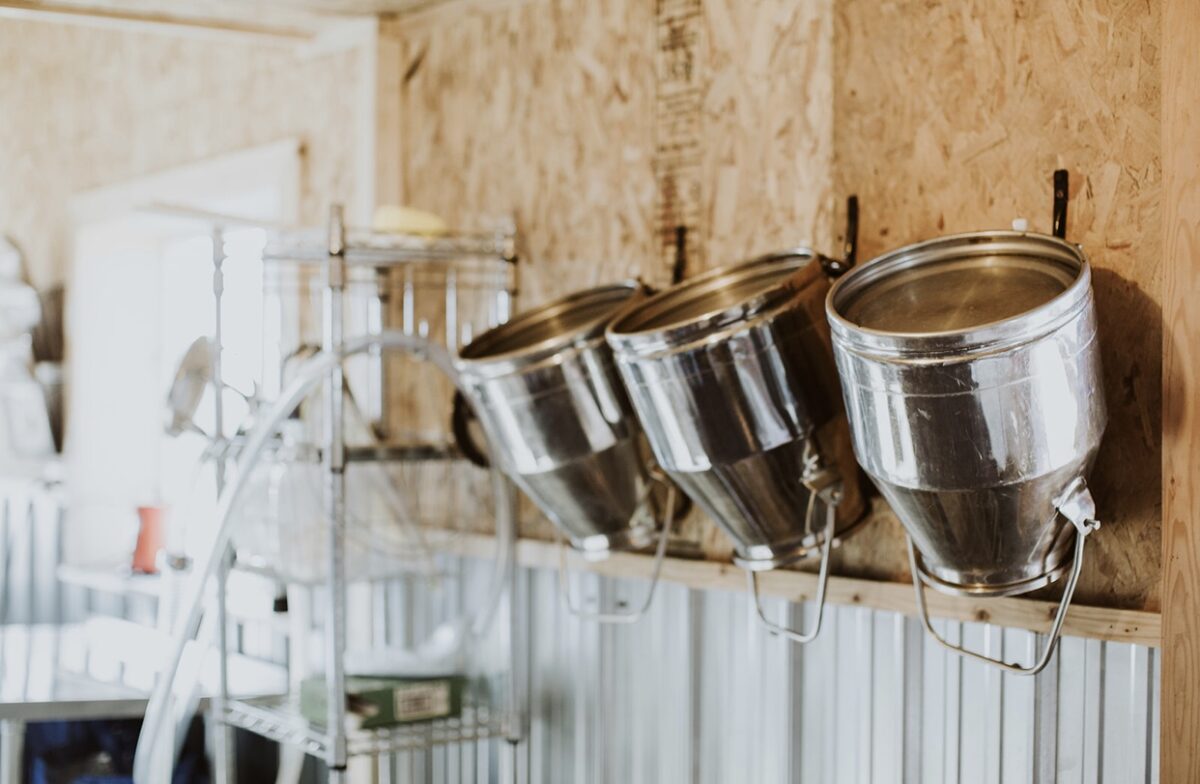
You also don’t need an expensive milking machine to get started. A stainless steel bucket, filters, clean milk jars, and a safe place to secure your cow are enough to hand milk. A machine can make sense later, especially if you’re milking more than one cow or simply want to make the daily routine easier.
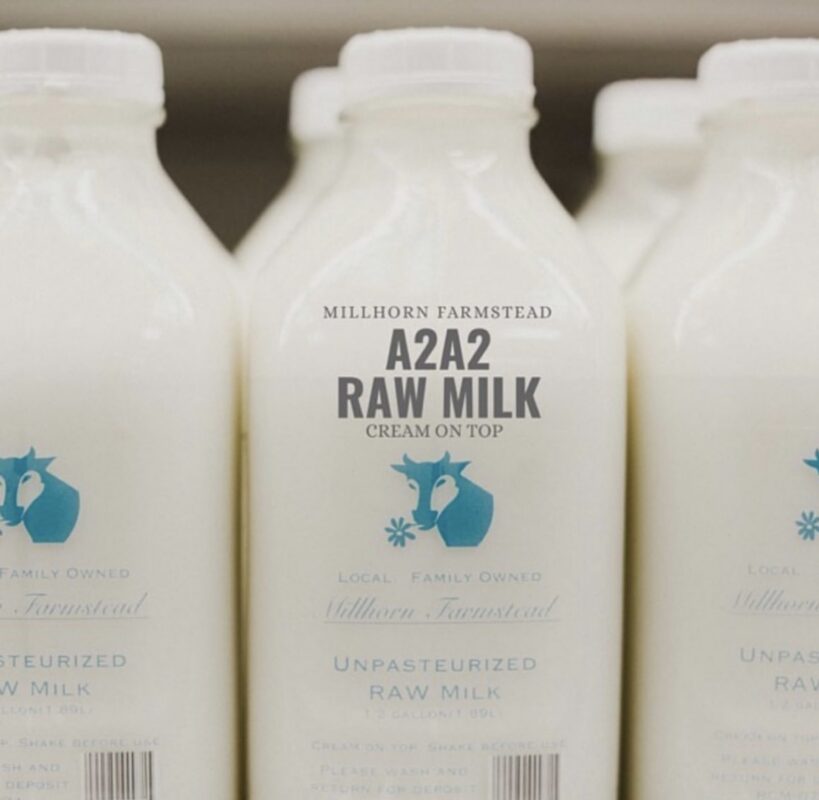
From our farm: I buy reusable glass milk jars in bulk, usually around 1,000 at a time. They generally cost me about $3.50–$4.50 each, depending on current pricing and freight.
If you’re just getting started, my ebook, The First 30 Days With Your Milk Cow, walks through the equipment, daily routine, and preparation that made our transition into family dairy much smoother. It’s designed to help you feel confident before your cow ever arrives.
Tip: You don’t need to buy everything at once. Focus first on safe fencing, clean water, a dependable milking setup, and good-quality feed. You can upgrade and add conveniences over time. Look at local marketplaces for used equipment.
The Expenses No One Tells You About
Hay, feed, minerals, and veterinary care are fairly easy to put into a budget. It’s the smaller, irregular expenses that tend to catch new milk cow owners by surprise.
Fencing Repairs
Cows are large animals, and eventually something gets leaned on, pushed through, or broken. Posts, wire, gates, insulators, energizers, and other fencing supplies may not be monthly expenses, but they’re part of keeping livestock.
Water in Winter
If you live where temperatures drop below freezing, keeping water available can mean heated troughs, tank heaters, electricity, insulated lines, or hauling water when something freezes.
Bedding
Straw, shavings, or other bedding can become a significant winter expense, especially during calving or when your cow spends more time under shelter.
Breeding That Doesn’t Work the First Time
Not every cow settles on the first breeding. A second or third AI attempt, another farm call, semen, or additional pregnancy checks can quickly turn one planned expense into several.
Milk Handling Supplies
Filters, udder wash, towels, teat dip or other udder-care products, jars, lids, brushes, sanitizing supplies, and replacement hoses or inflations for a milking machine don’t cost much individually, but you’ll replace them regularly.
The Things Cows Break
Water trough floats. Gate latches. Feeders. Fence posts. Buckets.
You don’t need a separate budget category for every broken piece of farm equipment, but you should expect something to need replacing eventually.
That’s why I recommend building a little breathing room into your family milk cow budget rather than calculating expenses down to the last dollar. Livestock rarely read the spreadsheet.
Time Is Part of the Cost
Then there are the costs you can’t put into a calculator.
Fixing fence. Hauling hay. Scrubbing water tanks. Cleaning the milking area. Washing equipment. And, of course, milking every day.
Keeping a family milk cow isn’t particularly complicated once you establish a routine, but it does require consistency. The first year usually has the biggest learning curve. After that, you’ll have a much better idea of how much time your cow requires and what your family actually uses.
I’ve also learned that saving a few dollars by cutting corners can cost far more in the long run. Buy good hay. Use a mineral program that works for your cow. Maintain your equipment. Keep your fencing in good repair.
Those small decisions usually cost less than fixing the problems they prevent.
Is Owning a Family Milk Cow Worth It?
Only you can answer that question, but for our family, the answer has been an easy yes.
A family milk cow gives us far more than fresh milk. We use her milk for butter, yogurt, sour cream, ice cream, and cheese. She also provides manure for the garden and gives us something that’s difficult to put a dollar amount on: knowing exactly where our family’s dairy comes from.
Is owning a dairy cow the cheapest way to get milk? Not always.
If you’re comparing your costs to gallons of conventional milk at the grocery store, the math may never work in your favor.
But that’s not the comparison we’re making.
We’re producing fresh milk along with cream, butter, yogurt, cheese, and other dairy products from the same animal. We’re also choosing how she’s raised, what she’s fed, and how her milk is handled from the barn to our kitchen.
That doesn’t make a family milk cow the right choice for everyone. It does mean her value can’t be measured by the price of a gallon of milk alone.
Use the numbers in this article to make an informed decision. If the cost, daily commitment, and amount of milk fit your family, a good milk cow can become one of the most valuable animals on your homestead.
How to Reduce the Cost of Owning a Family Milk Cow
The best savings usually don’t come from buying the cheapest feed or cutting corners. They come from planning ahead and managing your cow well.
Buy Hay Before You Need It
If you have adequate dry storage, buying hay before supplies become tight can save money and give you a better selection.
Build relationships with local hay growers, know how much you’ll need for winter, and start looking before you’re down to your last few bales. Buying in larger quantities may also reduce your cost per ton.
Make the Most of Your Pasture
Every day your cow meets more of her forage needs from productive pasture is a day you may need less stored hay.
Good grazing management, appropriate stocking rates, and maintaining pasture quality can extend your grazing season and reduce purchased feed costs.
Don’t Cut Corners on Nutrition
Cheap feed isn’t a bargain if your cow can’t maintain good condition and production on it.
Buy the best forage you can reasonably afford and use a mineral program appropriate for your cow and feeding situation. If you’re concerned about your mineral program, my Dairy Mineral Troubleshooting Guide can help you know what to investigate.
Prevent Problems Before They’re Expensive
Maintain fences before the cow finds the weak spot. Keep water systems working. Clean and maintain your milking equipment. Watch body condition, appetite, manure, and udder health so you’re more likely to notice when something changes.
Routine maintenance is usually cheaper than emergency repairs.
Buy Used Equipment When It Makes Sense
You don’t need everything new.
Stanchions, gates, feeders, stock tanks, and some types of farm equipment can often be purchased used. Spend your money where cleanliness, safety, or reliability matters and save where buying secondhand makes sense.
Budget by the Year, Not the Month
A family milk cow rarely costs exactly the same amount every month.
Hay purchases, breeding, veterinary care, repairs, and other expenses tend to arrive unevenly. Looking at your annual dairy budget gives you a much more realistic picture of what your cow actually costs.
Don’t Skimp on Minerals
A cheap mineral isn’t a bargain if it doesn’t meet your cow’s needs. A good mineral program supports milk production, fertility, hoof health, and overall condition.
If you’re unsure whether your cow is getting what she needs, my Dairy Mineral Troubleshooting Guide covers common signs of macro and trace mineral problems and what to investigate.
Invest in Good Equipment
You don’t need the most expensive equipment, but you do need equipment that works. A quality seamless stainless steel bucket, dependable milk filter system, and well-maintained milking supplies will last for years and make every milking easier.
Learn Basic Animal Care
The more confident you become with routine health checks, body condition scoring, and recognizing early signs of illness, the better prepared you’ll be to address small problems before they become large veterinary bills. That doesn’t replace your veterinarian, but it does help you become a better stockman.
Plan Ahead
One of the easiest ways to overspend is by making emergency trips to the farm store. Keeping extra filters, teat dip, minerals, and other commonly used supplies on hand saves both time and money.
It’s About More Than the Monthly Budget
At the end of the day, a family milk cow is about more than what you spend each month.
She’s butter on the table, yogurt in the refrigerator, cream for homemade ice cream, and fresh milk in the kitchen. She’s also daily chores, winter hay, broken fence posts, and the occasional vet bill you didn’t plan for.
For our family, the work and expense have been worth it.
If you’re considering your first milk cow, use this calculator to go into it with your eyes open. Know what feed costs in your area. Plan for the expenses that don’t happen every month. And leave some room in the budget for the things you can’t predict.
A family milk cow doesn’t have to be cheap to be worth what she brings to your home.
Frequently Asked Questions About Family Milk Cow Costs
FAQ
-
Best Breed for a Family Milk Cow: Choosing the Right Cow for Your Homestead
When you start looking for a family milk cow, it doesn’t take long to find someone…
-
Mastitis in Milk Cows: Signs, Treatment & Prevention
Finding clumps in the milk bucket has a way of rearranging your morning. Whatever you planned…
-
Calf Sharing With a Family Milk Cow: What Actually Works
Calf sharing sounds simple when someone explains it in a sentence. You leave the calf with…
-
How to Prepare Your Homestead for a Power Outage
If the power went out tonight, would your homestead be ready for tomorrow morning? I am…
-
Keeping a Family Milk Cow During a Power Outage
Keeping a Family Milk Cow During a Power Outage If the power went out tonight, could…
-
Family Milk Cow Lactation Curve: What to Expect After Calving
A family milk cow does not produce the same amount of milk every day from the…