Published January 21, 2020 • Updated April 2026
Can You Raise Pigs in the Winter? (Quick Answer)
Yes. But most people do it wrong.
Pigs can handle cold far better than they handle wet, wind, and poor management. If you get three things right, they will grow just fine through winter:
- Dry shelter with no drafts
- Deep bedding that creates natural heat
- Consistent access to water that doesn’t freeze
Get those wrong, and you’ll fight sickness, slow growth, and wasted feed all season.
This isn’t theory. This is what actually works on a working farm.
Because yes… winter pigs might just be your secret weapon.
What Most People Get Wrong About Winter Pigs
The biggest mistake I see is people thinking cold is the problem.
It’s not.
Wet pigs + wind = stressed pigs
Stressed pigs = slow gain and more feed cost
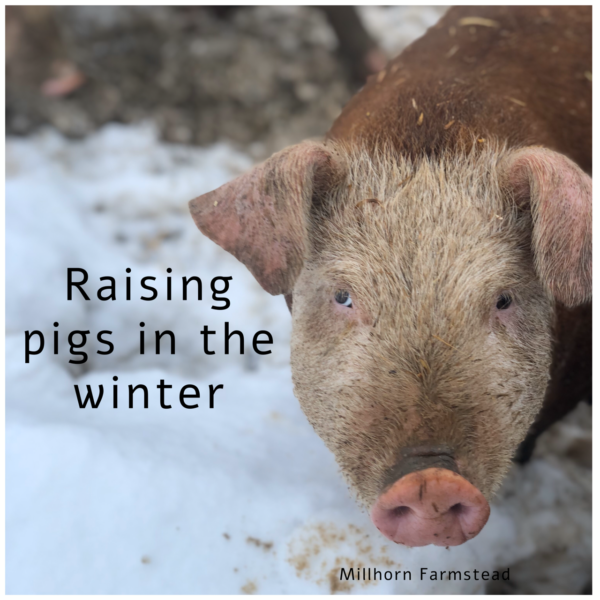
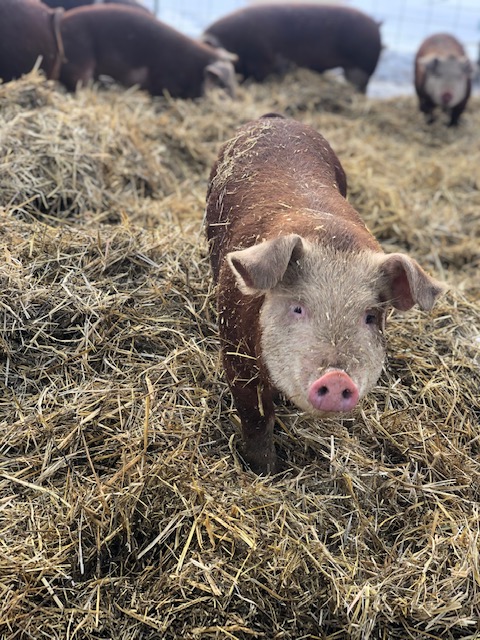
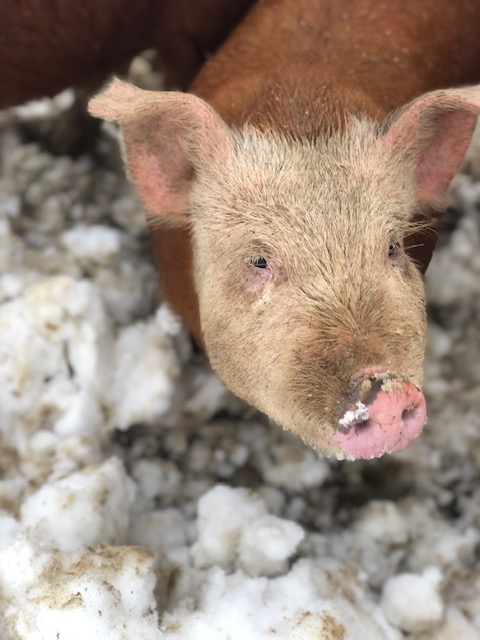
You can have pigs out in snow all day long. They’ll be fine. They’ll even enjoy it.
But if they don’t have a dry place to bed down and get out of the wind, you’re going to pay for it.
Our Winter Setup (Simple and Proven)
We don’t overcomplicate it.
Here’s the basic setup that works:
Shelter
- Three-sided structure or hog panel hut
- Open side facing away from prevailing wind
- Low enough to hold heat, high enough for airflow
Bedding
- Deep straw or hay bedding
- Keep adding to it, don’t strip it out constantly
- It will start to compost and create heat underneath them
This is where most people miss it. That deep pack bedding is your heater.
Ground
- Slight slope for drainage if possible
- Avoid mud at all costs
If you’ve got mud, you’ve already lost.
This post may contain affiliate links. As an Amazon Associate and homesteader, I may earn a small commission from qualifying purchases—at no extra cost to you. I only recommend what we use on our own farm.
Water in Freezing Temperatures
This is the biggest daily battle.
Pigs need constant access to water, even in winter. If they don’t have it:
- feed intake drops
- growth slows
- health issues start showing up
What actually works:
- Heated waterers if you have power
- Rubber tubs you can break ice out of
- Refilling at least once or twice a day
There’s no shortcut here. This is daily management.
How We Feed Pigs in the Winter
Pigs burn more calories staying warm.
That means one thing. They eat more.
Plan for:
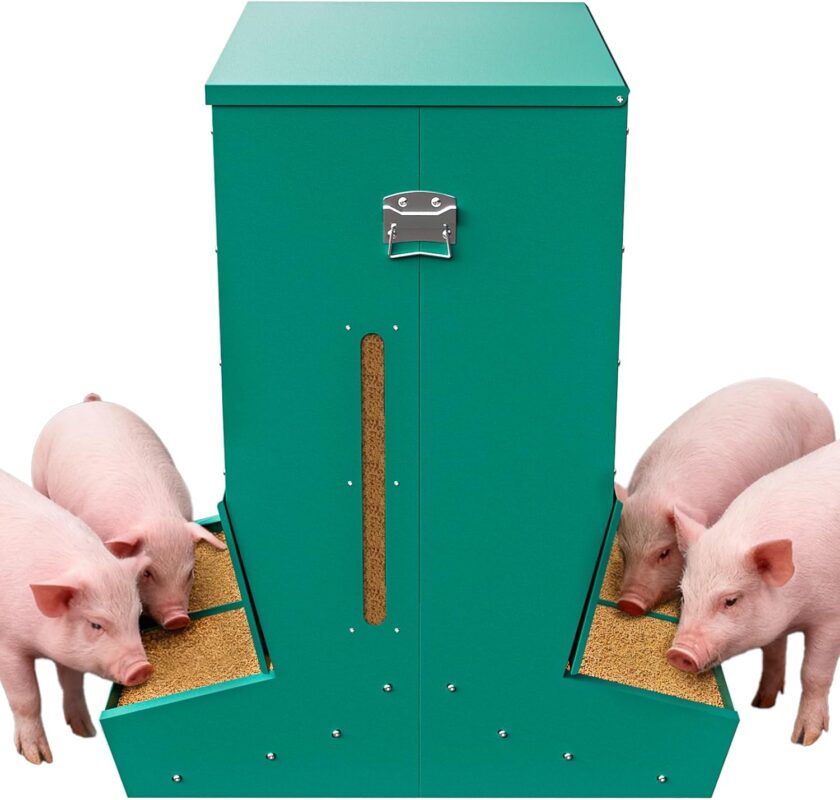
- Increased feed consumption
- Slightly slower gains if conditions aren’t ideal
We don’t drastically change the ration, but we do:
- Make sure feed is consistent
- Avoid skipping or stretching feed schedules
- Watch body condition closely
If your pigs start looking rough, you’re already behind.
Supplies we use!
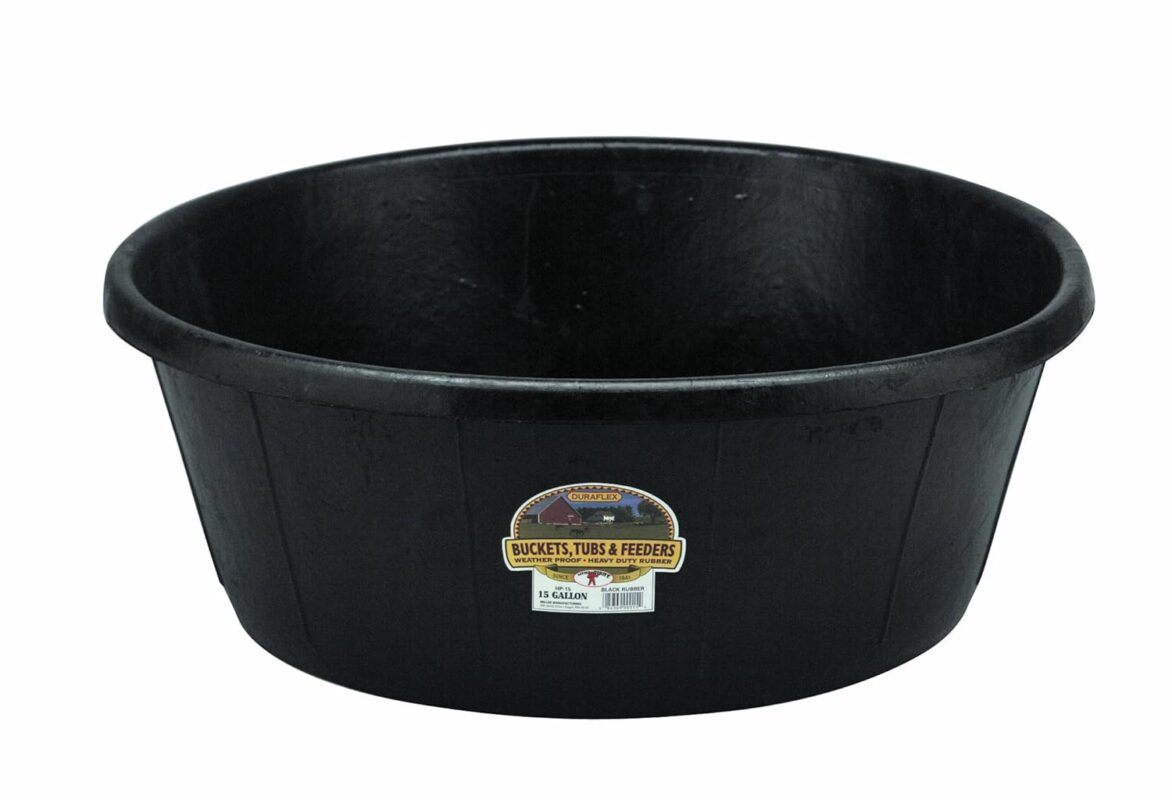
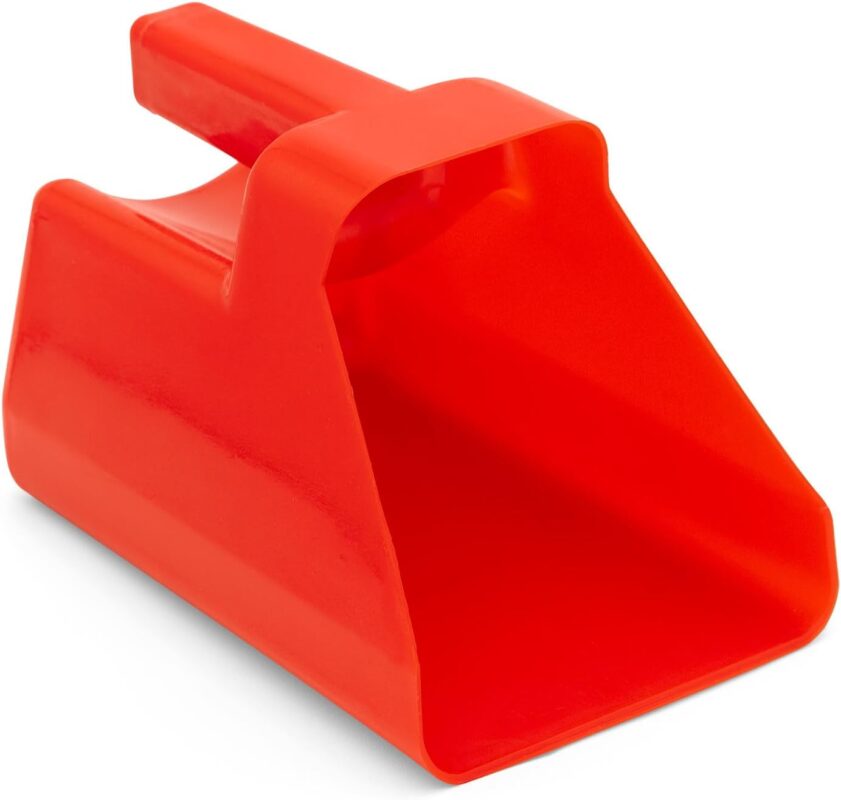
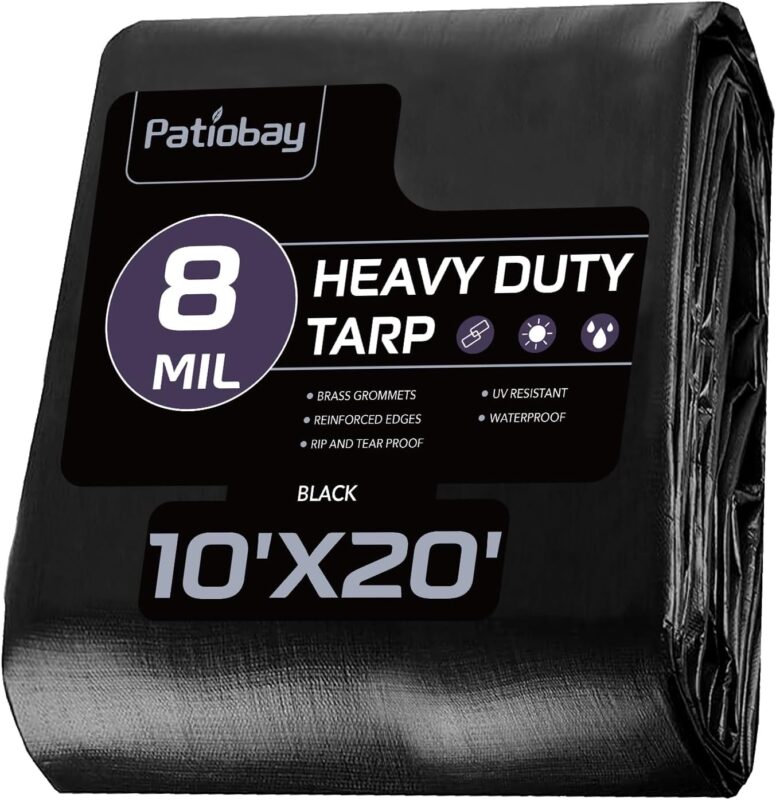
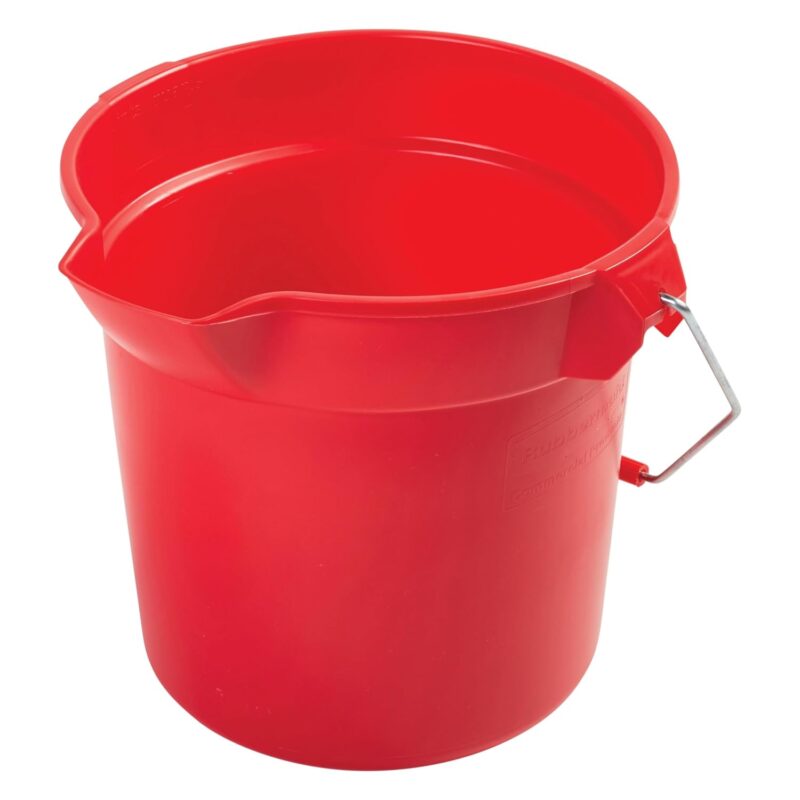
Rubber Feed Tote
Do Pigs Still Gain Weight in Winter?
Yes, but not as efficiently.
If everything is dialed in, they will:
- continue gaining
- stay healthy
- finish out just fine
If your setup is weak, you’ll see:
- stalled growth
- higher feed costs
- more problems overall
Winter doesn’t ruin pigs. Poor management does.
Real-Life Livestock, Real Results
No-fuss strategies for raising animals, feeding your family, and making your homestead work.
When Winter Pigs Make Sense (And When They Don’t)
Winter pigs make sense if:
- You already have infrastructure
- You’re set up to manage water daily
- You want year-round production
They don’t make sense if:
- You’re trying to “wing it”
- You don’t have shelter ready
- You’re not around daily
This is not a set-it-and-forget-it season.
Planning is Everything
If you do not plan ahead—winter will humble you quickly.
Before snow hits, make sure you have:
- shelter ready
- feed stored
- water system figured out
- trailer access planned
These are the difference between “this works great” and “never again.”
The Reality of Raising Pigs in the Winter
It’s more work. There’s no way around that.
But it’s also completely doable if you stay on top of the basics.
We’ve found that simple systems beat complicated ones every time. Dry pigs, good bedding, and consistent care will carry you through winter without issues.
Don’t Forget Trailer Access (Most People Do)
This one bites people every year.
Come butcher time:
- snow
- mud
- ice
If you can’t get a trailer in… you’ve got a problem.
Plan your access route before winter hits.