
Every fall, I end up with boxes of apples waiting for me in the kitchen. This year, it is 60 pounds that need to become applesauce.
That sounds like a tremendous amount of fruit until the peeling, coring and cooking begins. Apples cook down quickly, and it takes an average of about 3 pounds to make one quart of applesauce. Those 60 pounds will become roughly 20 quarts, depending on the apples and how thick I make the sauce.
Applesauce is worth the work because it is something my family actually eats. We serve it with pork, use it in baking, spoon it over pancakes and open it as an easy side dish throughout the winter. If I am going to spend a full day filling jars, I want those jars to earn their place on the pantry shelf.
This homemade applesauce is canned without added sugar. With ripe, naturally sweet apples, it does not need it.
Making Applesauce With Grandma
When I was a little girl, I spent every summer at my grandmother’s house in a small farming town in the heart of the Palouse. Grandma was the quintessential farm woman, and she is still one of my greatest examples of how to be a better wife, mother and homesteader.
One of my earliest memories is standing on a chippy red metal Cosco stool in her kitchen, turning the handle of her food mill as cooked apples became applesauce. I could not have been more than three years old, but I still remember that kitchen and the work we did together.
Years later, I made applesauce in my own kitchen the same way Grandma taught me. I used the same food mill, and my daughter stood beside me on that same chippy red stool.
That is what I love most about preserving food. The jars matter, but so does passing down the knowledge behind them. A box of apples becomes food for winter, and an ordinary afternoon in the kitchen becomes part of a family story that can last for generations.
Canning Applesauce at a Glance
| Canning method | Boiling-water canner |
| Pack method | Hot pack |
| Jar sizes | Pints or quarts |
| Headspace | ½ inch |
| Processing time for pints | 15–25 minutes, depending on elevation |
| Processing time for quarts | 20–35 minutes, depending on elevation |
| Approximate yield | 1 quart per 3 pounds of apples |
| Added sugar | None |
No-Sugar-Added Canned Applesauce Recipe
Ingredients
Method
- Prepare the boiling-water canner, jars and lids.
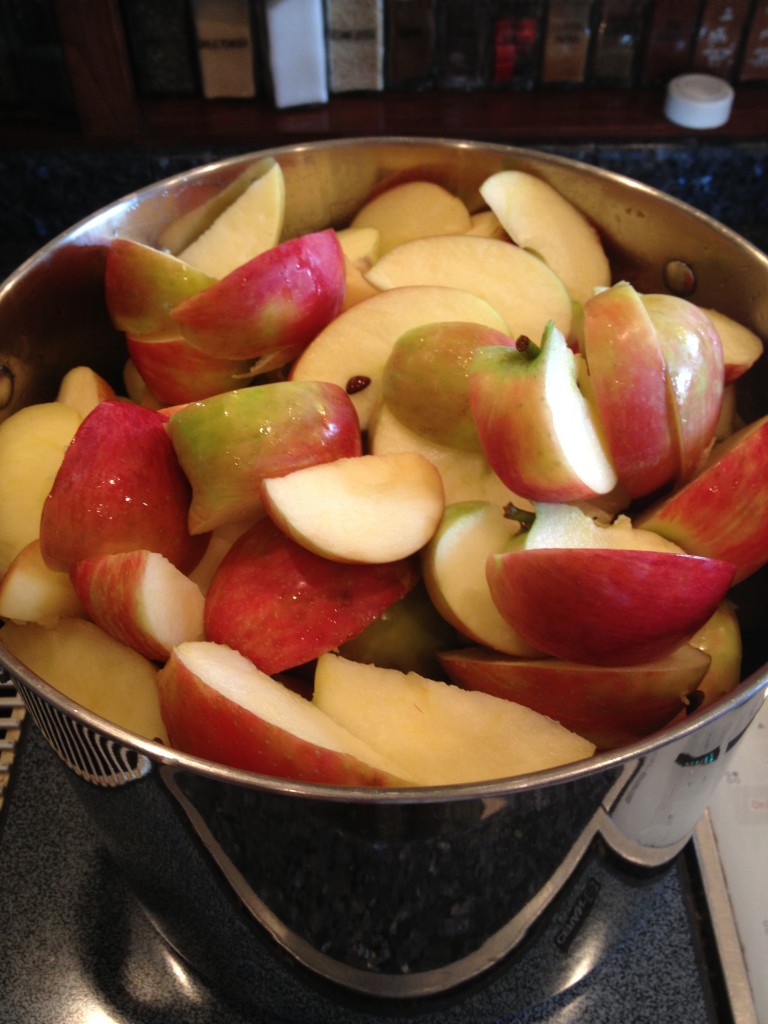
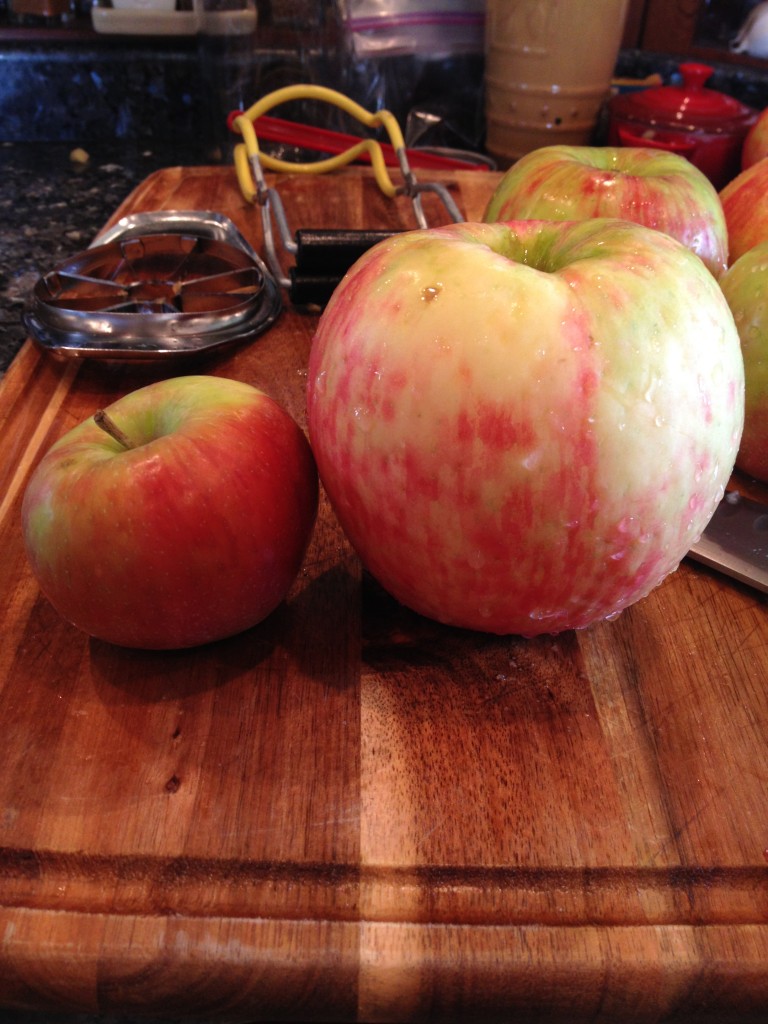
- Wash, peel, core and slice the apples.
- Place the apples in a large, heavy-bottomed stockpot with ½ cup water.
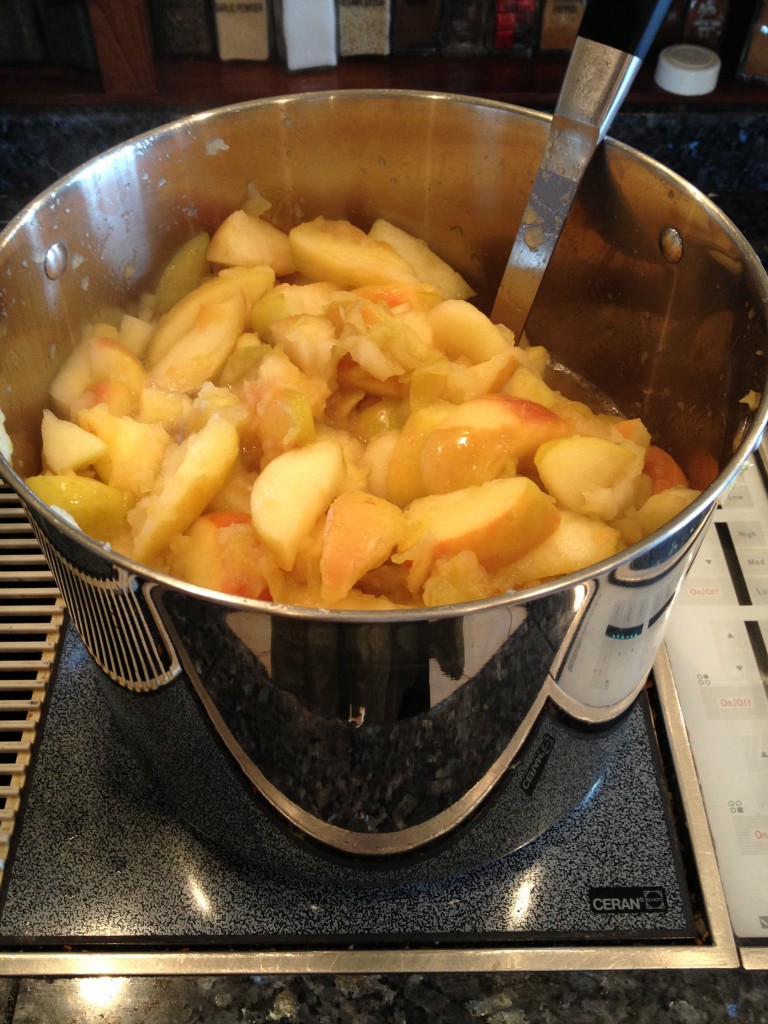
- Cook over medium heat, stirring frequently, until the apples are completely tender. This will take approximately 5 to 20 minutes.
- Run the softened apples through a food mill for smooth applesauce, or mash them for a chunkier sauce.
- Return the applesauce to the pot and bring it to a boil, stirring frequently to prevent scorching.
- Ladle the hot applesauce into hot jars, leaving ½ inch of headspace.
- Remove air bubbles and check the headspace again.
- Wipe the jar rims, center the lids and apply the bands fingertip tight.
- Process pints for 15 minutes and quarts for 20 minutes at elevations up to 1,000 feet. Adjust the processing time for elevation using the chart above.
- When the processing time is complete, turn off the heat and remove the canner lid. Wait 5 minutes before removing the jars.
- Cool the jars undisturbed for 12 to 24 hours. Check the seals, remove the bands and label the jars before storing.
Notes
- Plan on approximately 3 pounds of apples for every quart of applesauce.
- Added sugar and lemon juice are not required.
- Combining sweet and tart apples produces better flavor.
- Stir frequently after puréeing because applesauce scorches easily.
- Process only in pint or quart jars.
- Store properly sealed jars without the bands in a cool, dark and dry location.
Can You Can Applesauce Without Sugar?
Yes, applesauce can be safely canned without added sugar.
The sugar in traditional applesauce recipes is added for flavor, not safety. Apples contain enough natural acidity to be processed in a boiling-water canner without adding sugar.
The apples you choose will determine how sweet the finished sauce tastes. If you begin with tart apples, you will make tart applesauce. If you use ripe, naturally sweet apples, you probably will not miss the sugar at all.
I prefer using a mixture of apples. Sweet apples provide the natural sugar, while a few tart apples keep the sauce from tasting flat.
Do not confuse no-sugar-added applesauce with sugar-free applesauce. Apples naturally contain sugar. This recipe simply does not add any more.
The Best Apples for Homemade Applesauce
You can make applesauce with almost any cooking apple, but some varieties will give you better flavor and texture than others.
Good sweet apples include:
- Fuji
- Gala
- Golden Delicious
- Honeycrisp
- Jonagold
For a little tartness, add:
- Granny Smith
- McIntosh
- Jonathan
- Braeburn
A good place to begin is with approximately three parts sweet apples to one part tart apples. You do not need to measure this perfectly. Use what you have and taste the apples before filling the pot.
Older apples that are beginning to soften can still make good applesauce as long as they are sound. Cut away bruised areas generously and discard apples with mold, rot, fermentation or deep insect damage.
Canning is a good way to use imperfect fruit. It is not a way to rescue spoiled fruit.
How Many Apples Do You Need?
Plan on approximately 3 pounds of apples for each quart of finished applesauce.
| Fresh apples | Approximate yield |
|---|---|
| 3 pounds | 1 quart |
| 10 pounds | 3–4 quarts |
| 21 pounds | 7 quarts |
| 48-pound bushel | 14–19 quarts |
| 60 pounds | Approximately 20 quarts |
Your exact yield will depend on the apple variety, how much fruit is removed during trimming and how thick you make the finished sauce.
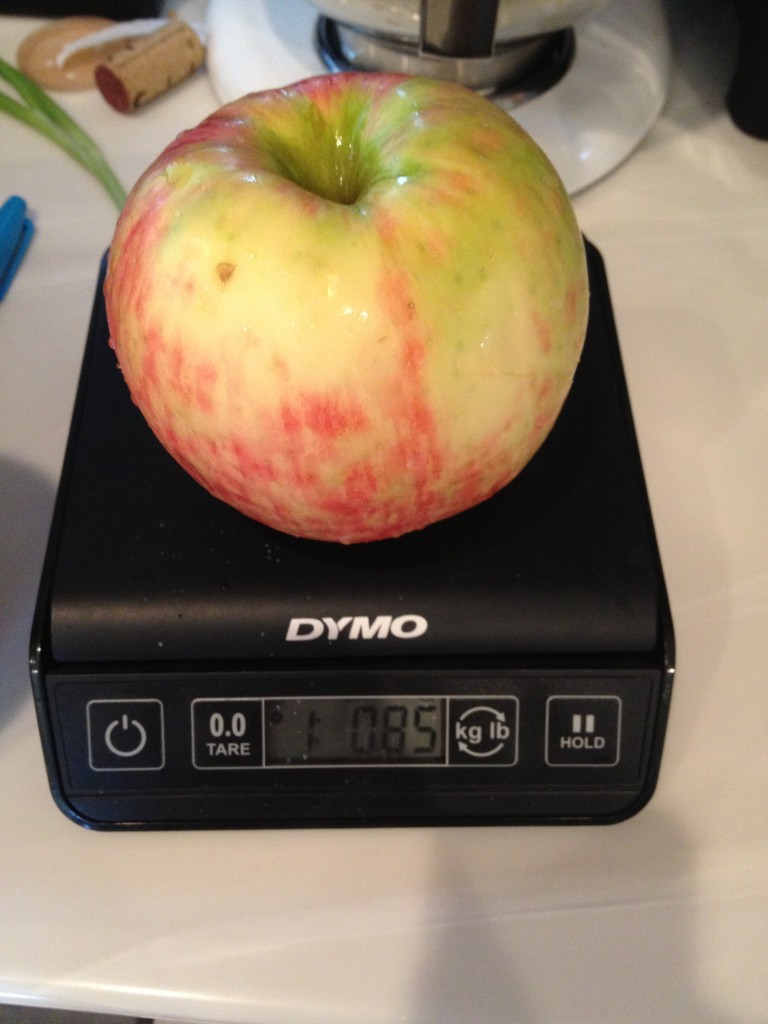
If you are working with a large harvest, weigh the apples before beginning. Knowing the approximate yield makes it much easier to prepare the right number of jars.
Should You Peel Apples for Applesauce?
I peel and core my apples before cooking them.
A food mill will remove small pieces of peel, but peeling the apples first gives the finished sauce a smoother texture. It also gives me an opportunity to inspect every apple and cut away damaged areas before they go into the pot.
If you are preparing several boxes of apples, this is the time-consuming part. I set up a comfortable work area, keep a large bowl nearby for the prepared fruit and use a second bowl for the peels and cores.
The scraps can go to the livestock or compost pile. Just keep moldy or rotten apples out of anything you plan to feed.
Keeping Apples From Turning Brown
Apples begin browning as soon as they are peeled and exposed to air. This does not make them unsafe, but it can give the finished applesauce a darker color.
If I am working quickly, I do not worry much about it. The apples are going directly into the cooking pot.
For a large batch, place the peeled and sliced apples into water containing ascorbic acid while you continue working. Use a commercial fruit protector according to its package directions, or dissolve 1 teaspoon of ascorbic acid powder in 1 gallon of water.
Drain the apples before cooking.
This treatment is optional. It helps preserve the color but is not required for safe canning.
Smooth or Chunky Applesauce
The same basic recipe can make either smooth or chunky applesauce.
For smooth applesauce, run the cooked apples through a food mill or sieve. I still use a food mill because it gives me the texture I grew up with and lets me control exactly how smooth the sauce becomes.
For chunky applesauce, mash the softened apples with a potato masher and leave some small pieces intact.
An immersion blender also works, but it is easy to take the sauce too far. Applesauce should still have some body. It does not need to look like baby food.
If you use a countertop blender, work in small batches and be extremely careful with the hot sauce. Hot food builds pressure inside a covered blender container.
Applesauce Water-Bath Canning Times
| Elevation | Pints | Quarts |
|---|---|---|
| 0–1,000 feet | 15 minutes | 20 minutes |
| 1,001–3,000 feet | 20 minutes | 25 minutes |
| 3,001–6,000 feet | 20 minutes | 30 minutes |
| Above 6,000 feet | 25 minutes | 35 minutes |
These processing times are for a hot pack in a boiling-water canner.
How to Keep Applesauce From Scorching
Applesauce can scorch long before you realize it is happening.
Use a heavy-bottomed pot and keep the heat moderate. Stir often, especially after the apples have been run through the food mill. Puréed sauce is much more likely to stick than sliced apples.
Scrape the spoon across the center and entire bottom of the pot rather than stirring only around the outside.
If the applesauce begins to scorch, do not scrape the burned layer into the sauce. Carefully transfer the unburned portion into a clean pot and continue heating it there. Once the burned flavor is stirred through the batch, it is almost impossible to remove.
Why Does Applesauce Siphon From the Jars?
Applesauce is thick and holds a tremendous amount of heat, which can make it prone to siphoning. This is when sauce pushes out from under the lid during or immediately after processing.
Common causes include:
- Filling the jars beyond the recommended headspace
- Forgetting to remove trapped air bubbles
- Tightening the bands too firmly
- Allowing the canner temperature to change too quickly
- Removing the jars immediately after processing
- Tilting hot jars while lifting them from the canner
Leave the full ½ inch of headspace and remove air bubbles before applying the lids. When processing is finished, turn off the heat, remove the canner lid and wait 5 minutes before lifting the jars.
A little residue on the outside of a sealed jar does not automatically mean the applesauce is bad. Let the jar cool completely and then inspect the seal. Remove the band and wash the jar before storage.
If the jar does not seal, refrigerate the applesauce and use it promptly. Do not place an unsealed jar in the pantry.
How to Use Home-Canned Applesauce
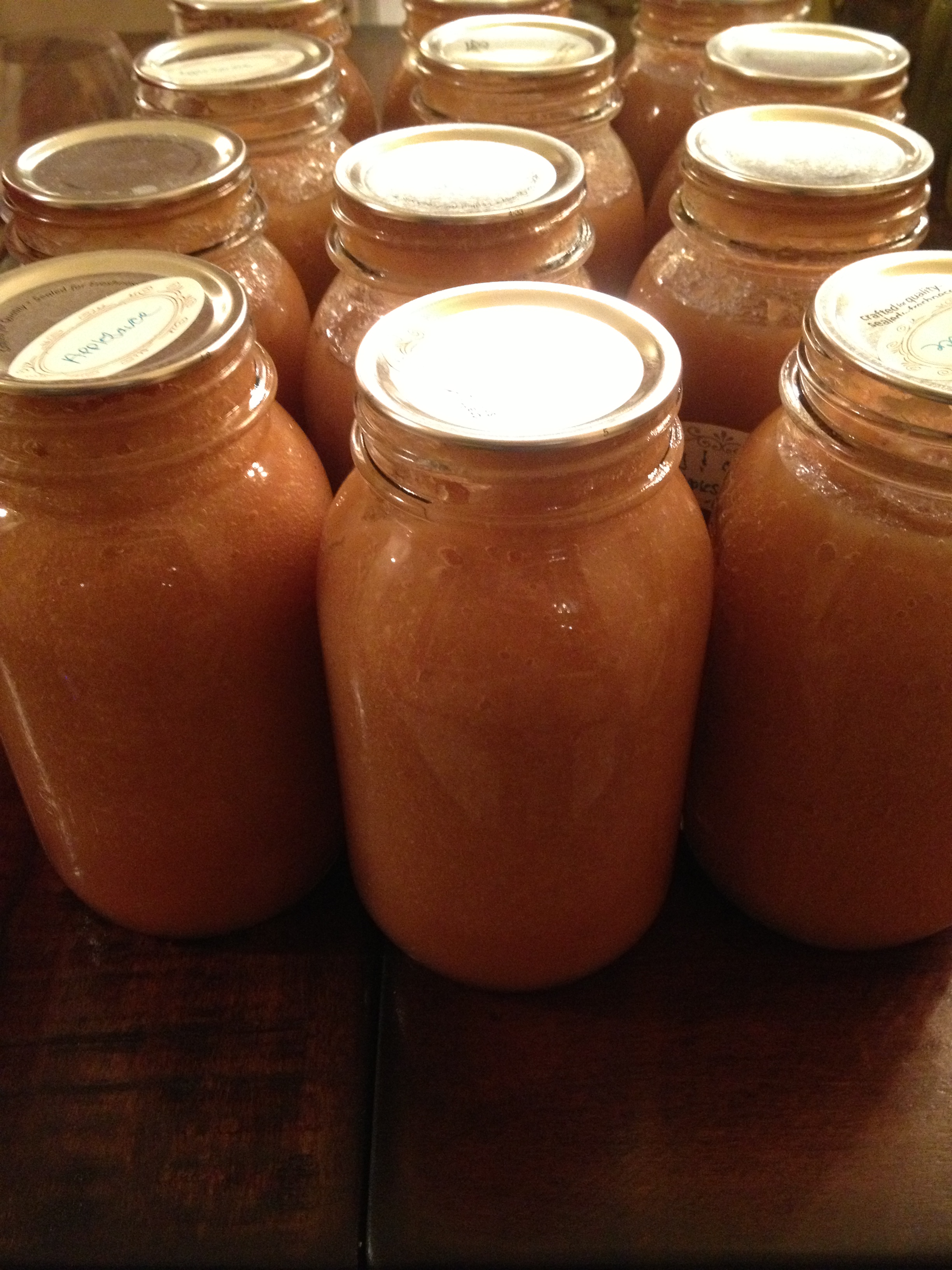
I can applesauce in both pints and quarts.
Pints are a useful size for baking or smaller meals. Quarts make more sense when I am feeding the entire family.
We use canned applesauce:
- Alongside pork chops or a pork roast
- In muffins, cakes and quick breads
- Over pancakes or waffles
- Stirred into oatmeal
- Mixed into plain yogurt
- Served warm with cinnamon
- As an easy side dish
- In baking recipes that replace some of the oil with applesauce
Some jars are more impressive on a pantry shelf, but applesauce is one of the jars we consistently use. That matters more to me than canning something simply because I can.
Frequently Asked Questions About Canning Applesauce
Do you need to add lemon juice to canned applesauce?
No. Bottled lemon juice is not required when following the tested instructions for canning applesauce.
Ascorbic acid can be added to the water holding the peeled apples to help prevent browning, but that is an optional color treatment. It is not required to make the applesauce safe for canning.
Does homemade applesauce need sugar?
No. Sugar only adds sweetness. It is not necessary for safely canning applesauce.
Start with ripe, naturally sweet apples and combine several varieties for better flavor.
Can cinnamon be added before canning?
A small amount of dried ground cinnamon may be added before the jars are filled.
I prefer going lightly. Cinnamon can become more noticeable during storage, and plain applesauce is more versatile. More cinnamon can always be added after opening the jar.
Can I use honey instead of sugar?
Applesauce does not need any sweetener for safe canning. Honey can change the flavor, color and consistency of the finished sauce.
I prefer canning it plain. If a jar needs more sweetness, honey can be stirred in after opening.
Can applesauce be canned with the peels?
The tested method for canned applesauce begins with peeled and cored apples. I peel mine before cooking.
Besides producing a smoother sauce, peeling gives you an opportunity to inspect the entire apple and remove any damaged portions.
Can I use windfall apples?
Sound windfall apples can be used, but inspect them carefully. Wash, peel and cut them open before adding them to the pot.
Discard apples with mold, rot, signs of fermentation or extensive insect damage.
Can applesauce be canned in half-gallon jars?
No. Use pint or quart jars. Processing times have not been established for canning applesauce in half-gallon jars.
Why did my canned applesauce separate?
Some separation can happen when the sauce contains too much water or is made from especially juicy apples. It is generally a quality issue rather than a safety problem.
Stir the applesauce after opening. If the lid is unsealed, the sauce smells fermented, liquid spurts from the jar or you see other signs of spoilage, discard the contents without tasting them.
How long does home-canned applesauce last?
For the best quality, store properly sealed jars in a cool, dark and dry place and use them within about one year.
Before opening a jar, check the seal and inspect the contents for leakage, mold, fermentation or other signs of spoilage.
More Ways to Fill the Pantry
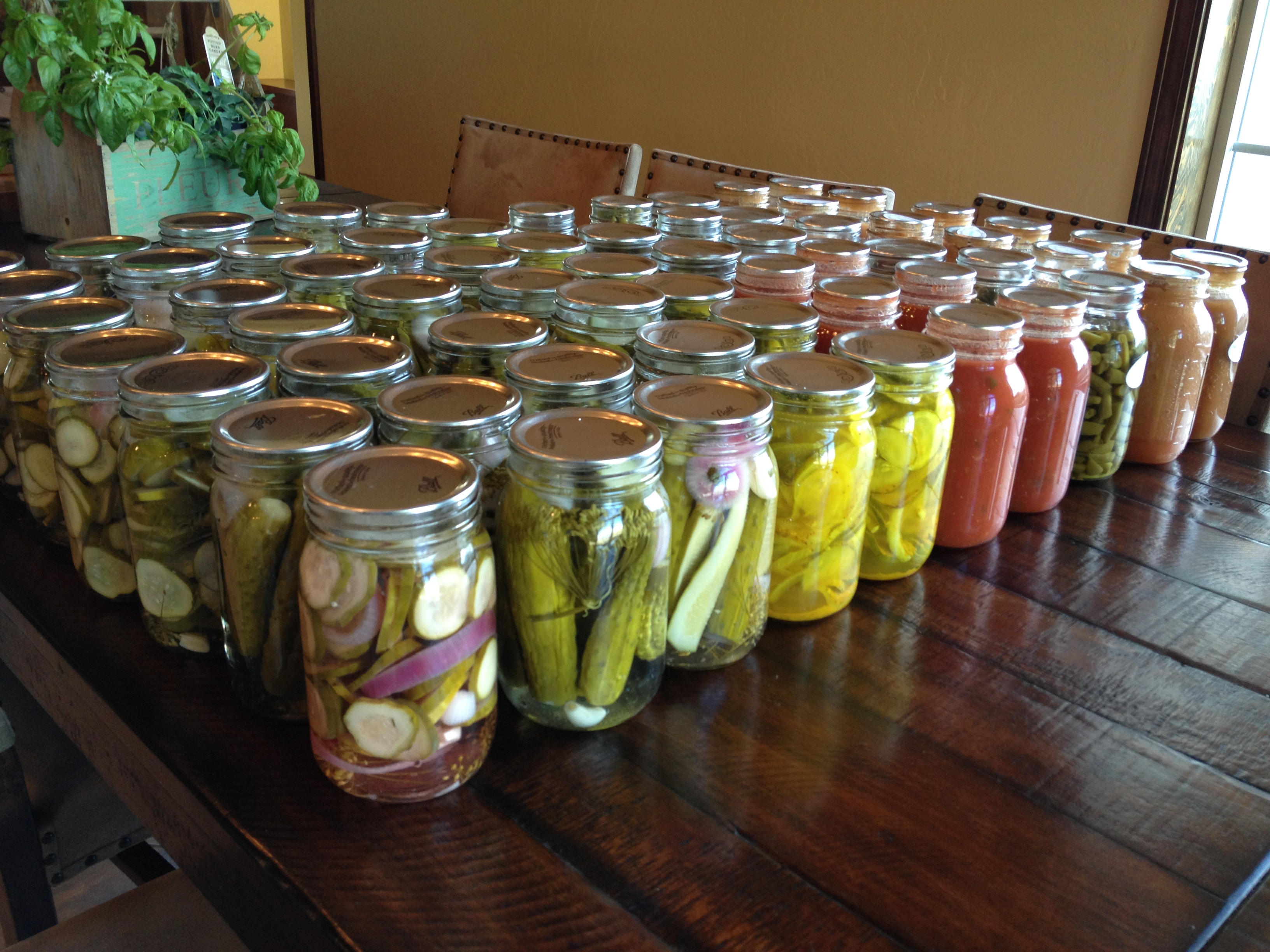
Once fall preserving begins, the canner rarely has time to cool down. If you are putting up the harvest too, these are a few more recipes to add to the pantry:
- Canning Pumpkin
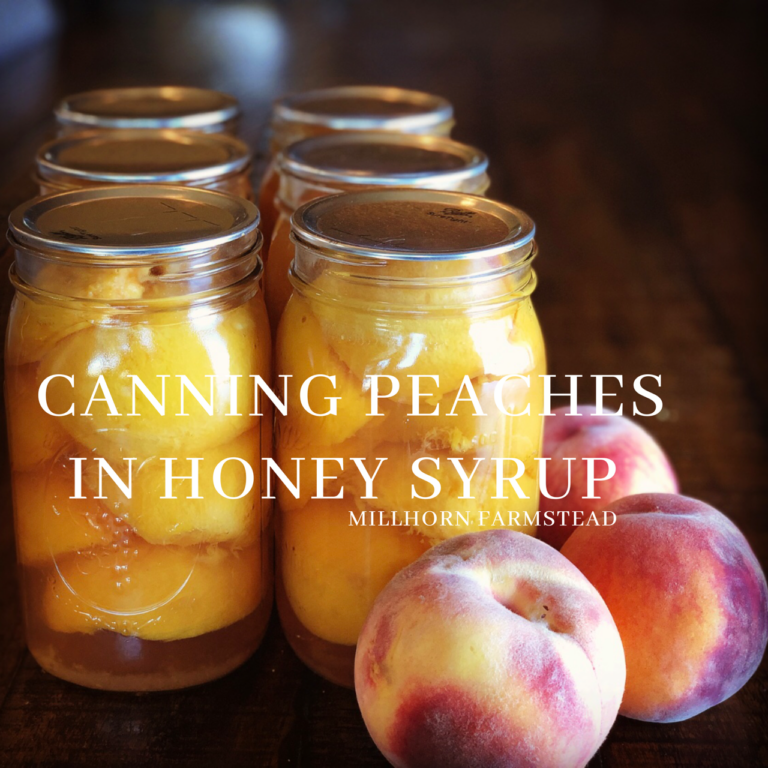
- Canning Peaches in Honey
- Canning Pickled Beets
- Canning Homemade Lemonade Concentrate
- Canning Homemade Ketchup
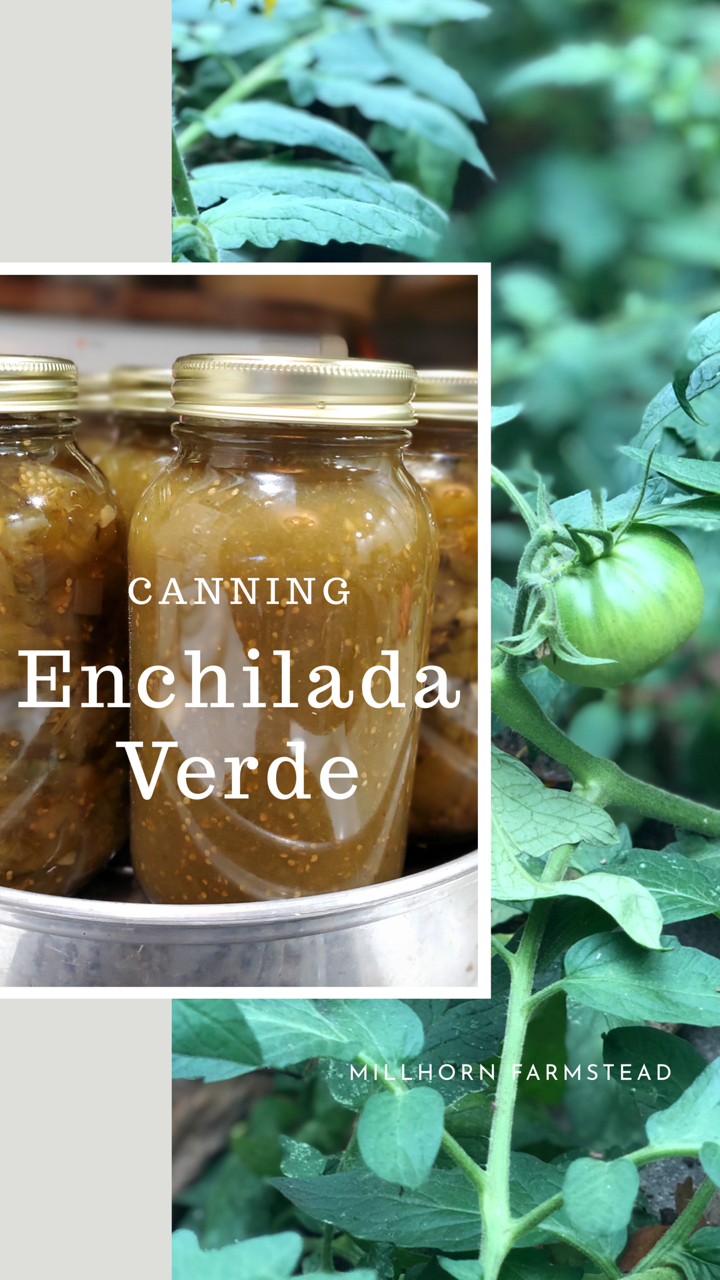
- Canning Green Tomato Enchilada Sauce
- Canning Minestrone Soup
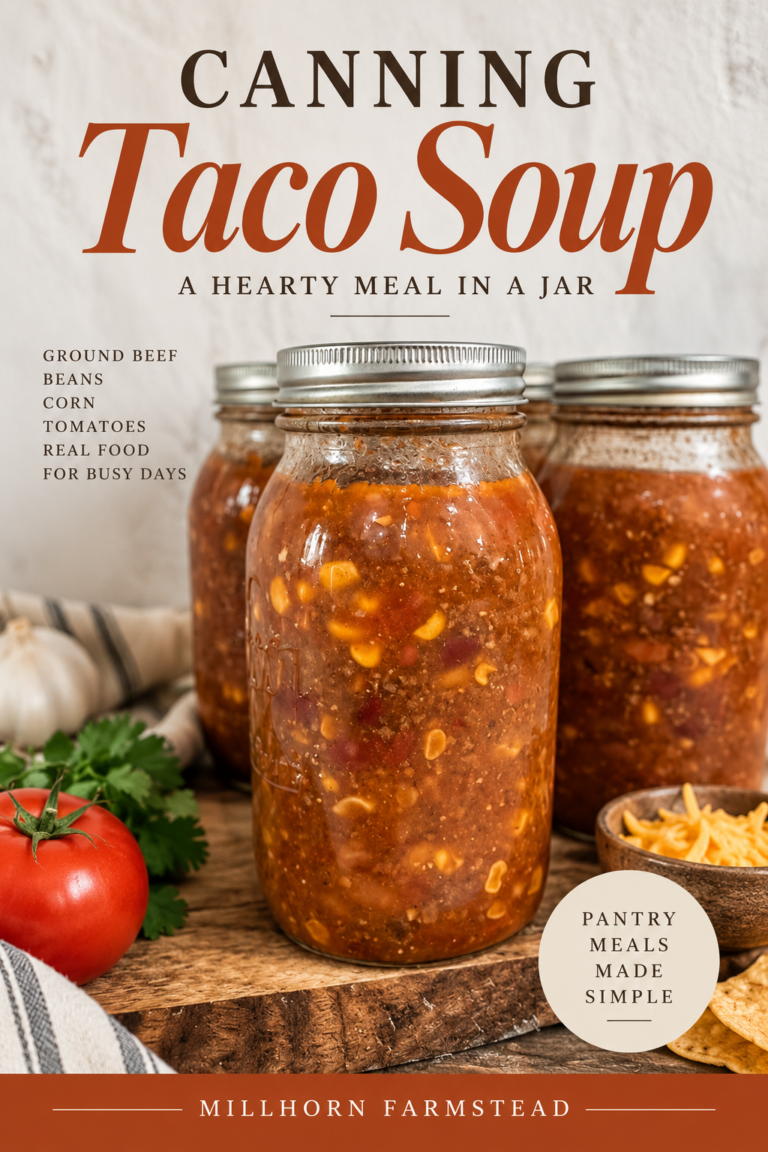
- Canning Taco Soup
- Canning Sloppy Joes
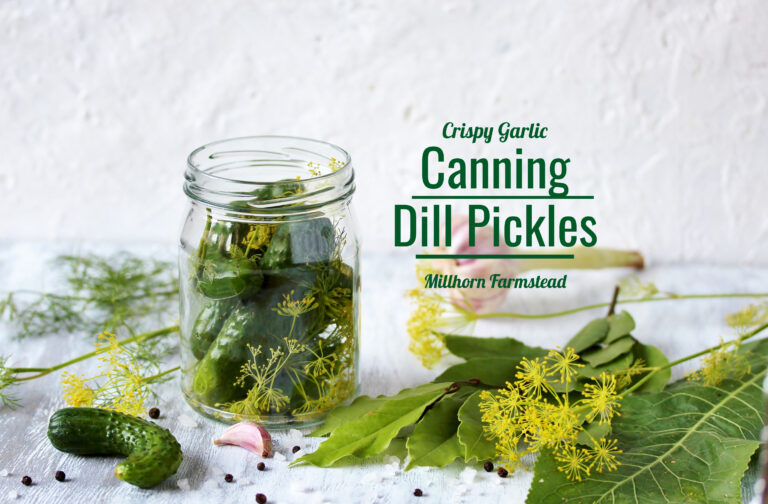
- Garlic Dill Pickle Canning Recipe
A box of apples does not look like much of a winter food supply when it is sitting on the kitchen floor. Once it becomes row after row of applesauce, it is a different story.
The same food mill my grandmother used has now fed another generation of our family. Someday, I hope my daughter remembers standing on that old red stool and understands that she was learning far more than how to make applesauce.





I make applesauce the same way – love my food mill! However, I haven’t canned it before – just freeze it. When do you add the lemon juice? Do you use bottled or fresh lemon juice? Thanks!
Yes, I always use bottled. That way the acidity is consistant. You can add it to the jar right before processing.