Question:
“I didn’t grow up on a farm or learn traditional skills like gardening, cooking from scratch, or raising animals. I want to build a more traditional life for my family, but I don’t know how to start homesteading with no experience. Where should I begin?”
The truth is, most people starting today did not grow up this way.
For generations, practical skills shaped everyday life. Children stood beside their parents and grandparents, learning to cook, garden, preserve food, care for animals, and fix what was broken. Knowledge moved naturally from one generation to the next, shared around kitchen tables and barn doors.
Today, many people are reclaiming those same skills and discovering how to start homesteading with no experience.
But many families experienced a break in that chain somewhere along the way.
That does not mean the knowledge is gone. It simply means you have to be a little more intentional about learning it.
The most common mistake beginners make is believing they need to learn everything at once. Bread baking, gardening, chickens, sourdough, canning, soap making, herbal medicine, it can feel like a long list before you’ve even begun.
Start with One Skill at a Time
Instead, choose one small skill.
Learn how to cook a few simple meals from scratch. Grow a small garden bed. Keep a handful of chickens. Bake bread once a week. Master something manageable before adding another layer.
Skills compound over time.
The homesteads that look effortless today didn’t come together in a single season. They grew over years of trial, failure, and steady learning. Many practical skills once passed naturally through families. Today, people often learn them through books, homestead conferences, local mentors, and agricultural education programs like those offered through university extension services.
And remember this: every person who knows how to do something today once stood exactly where you are, wondering where to begin.
You begin by beginning.
You don’t need a childhood on a farm to build a meaningful home, only need the willingness to learn.
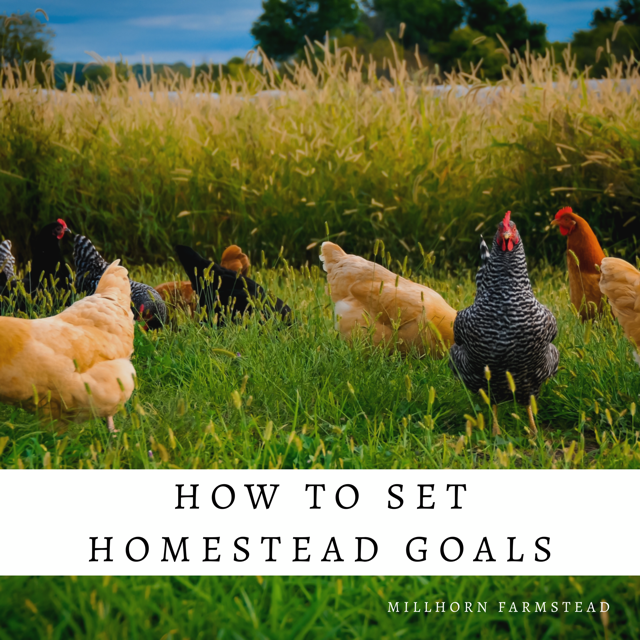
If you want to build a sustainable homestead without burning out, start by learning how to set homestead goals that are realistic and achievable. Read the full post on it > https://millhornfarmstead.com/how-to-set-homestead-goals/
FAQ
Can you start homesteading if you didn’t grow up on a farm?
Absolutely. Most people starting today did not grow up with these skills. Homesteading isn’t something you’re born knowing how to do, it’s something you learn little by little. Many of the skills our grandparents practiced daily were simply learned through doing. The same is true today. Start with one skill, practice it until it feels comfortable, and then add another.
Do you need a bunch of land to start homesteading?
No. Homesteading begins with habits, not acreage. Many people start with a small garden, learning to bake bread, preserving seasonal produce, or keeping a few backyard chickens. Even simple changes in how you cook and care for your home can be part of a homesteading lifestyle.
What is the biggest mistake new homesteaders make?
Trying to do too much too quickly. When people first discover homesteading, it’s easy to want a garden, chickens, goats, sourdough, and a pantry full of preserved food all at once. A better approach is to start with one or two things and grow from there. Homesteading is meant to support your life, not overwhelm it.
A Question from Your Kitchen Table
Homesteading and home life come with plenty of questions. If something’s been weighing on your mind, send it in.