
Early one year, right in the middle of calving season, a dear friend of mine lost her beloved Jersey cow.
The cow had delivered a beautiful bull calf and, within about 12 hours, went down with severe milk fever. It took another 12 hours for the veterinarian to arrive. While she was down, she began to bloat.
The pressure became so severe that an emergency puncture was made in her side to release the gas. Despite veterinary care and multiple rounds of antibiotics, she developed an infection and died two days later.
My friend was traumatized by the loss. Even nearly a year later, she had lost much of her confidence in raising a dairy cow and constantly second-guessed herself.
Dairy cow emergencies can progress frighteningly fast. A cow that cannot stand, is rapidly bloating, or shows signs of milk fever after calving needs immediate veterinary attention. This is also why I believe in gathering your supplies for calving and establishing a relationship with a livestock veterinarian before you are standing in the barn with an emergency.
When I first started keeping dairy animals, I did not have much to go on. I had a few books and whatever information I could find online, but I was still young, inexperienced, and more than a little naïve.
I grew up in a home where nearly everything was made from scratch and there was always a steer in the freezer. As an adult, I wanted to provide that same kind of food for my family, only on a much larger scale.
I dreamed of owning a raw dairy one day.
Eventually, I did.
Looking back over all the years I have kept dairy animals, I can see that many of my greatest successes came directly from my biggest failures.
And there were some doozies.
I am sharing a few of those family milk cow mistakes and early dairy-animal failures because every one of them was preventable. If someone else can learn from them before bringing home a cow or goat, then at least something good can come from some very hard lessons.
Dairy Animal Mistake #1: Improvising Instead of Preparing
When I bought my first two dairy goats, Lily and Winney, I brought them home in a large dog crate in the back of my Range Rover.
My family quickly renamed it the “Free Range Rover.”
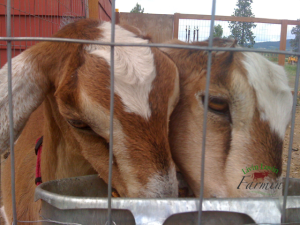
The young goats did well for the first couple of weeks. Because I did not have a pasture ready for them, I placed them in the poultry run. It seemed convenient since I was already out there every day caring for the chickens and turkeys.
One other problem remained: I did not have a proper feeding station ready.
Having recently left my job to become an aspiring homesteader, I was broke with a capital B. So I did what homesteaders do and improvised with what I had.
In this case, that was a 50-gallon Rubbermaid tote I found in the garage.
When Improvising Created a Bigger Problem
Unfortunately, the goats were eating more than hay from the ground. They were also being exposed to their own manure and the manure left by the chickens and turkeys.
It did not take long for that decision to catch up with me.
Both goats became sick. They developed bloody diarrhea, hung their heads low, and looked miserable. Being new to goats, I did not understand what I was seeing.
I thought they might be adjusting to their new home, new hay, and different surroundings. So I gave them an extra-large portion of alfalfa.
That was the wrong thing to do.
The goats were already sick with coccidiosis, and the sudden heavy feeding contributed to a second serious problem: bloat.
Now I had two goats with a parasite problem and a potentially life-threatening digestive emergency that I had made worse by trying to help.
I began researching, obtained appropriate treatment, and was extremely fortunate that both goats recovered.
Today, I would call a veterinarian much sooner rather than trying to identify and treat two serious conditions on my own. Coccidiosis treatment depends on the animal, its condition, and the veterinarian’s recommended protocol. Baking soda should not be presented as a dependable treatment for an animal that is already severely bloated.
Severe bloat is an emergency.
What I learned
First, never compromise an animal’s living conditions simply because it is convenient.
Second, have the necessary housing, feeders, water, fencing, and veterinary contacts ready before bringing an animal home.
Third, do not assume that feeding more will help an animal that looks unwell. Sudden feed changes, especially involving rich forage, can create another problem on top of the one you have not yet identified.
Preparing for livestock before they arrive is one of the subjects I cover in my family milk cow FAQ for beginners. The needs are different between goats and cows, but the lesson is the same: preparation cannot wait until after the trailer pulls into the driveway.
Family Milk Cow Mistake #2: Buying With My Heart
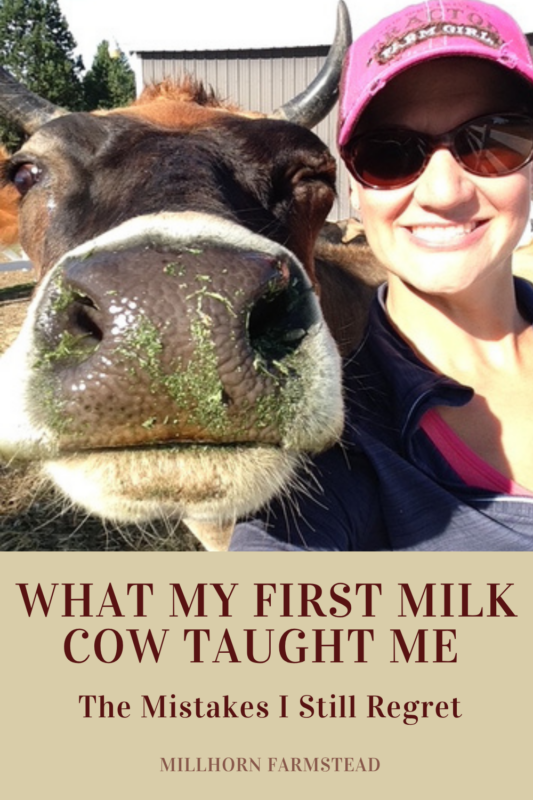
Ever since I was about six years old, I dreamed of having a beautiful milk cow.
I would name her Jersey Girl. She would lick my face, give us buckets of beautiful milk, and be my best friend.
That was the dream, anyway.
Dairy cows were uncommon in our part of Idaho. Nearly everyone around us raised beef cattle. One day, I found a Brown Swiss and Jersey cross advertised on Craigslist.
A Long Drive for My Dream Cow
She lived near the Canadian border, about four and a half hours away.
I was quick to contact the owner and buy her.
The problem was that I made the decision hastily. I was also so sick that I would end up in the hospital the following day.
But apparently neither questionable judgment nor the flu was going to stand between me and my childhood dream.
I went to the bank, collected the money, loaded the cattle trailer, and headed north. I spent most of the four-and-a-half-hour drive hunched over in the front seat while my father-in-law drove.
Then I did the same thing all the way home.
Her original name was Jezebel, which probably should have been my first warning. Scripture does not exactly remember Jezebel as a woman who brought peace wherever she went (1 Kings 21:25).
After paying $2,000 for her, I renamed her Jersey Girl.
At last, I owned the cow I had dreamed about since childhood; so I thought.
The owner said she would make a good solo cow. Until then, Jersey Girl had been living with several other Jerseys in a sandy dirt pasture with very little fresh grass.
At six years old, she was reportedly bred but had never calved.
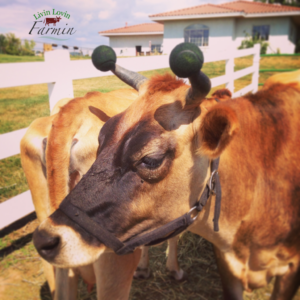
And then there were the horns.
Big, pointed horns.
At the time, I did not believe any of those things would become a problem.
I had bought the cow I wanted, and I was determined to make everything else work.
That is one of the most dangerous positions a livestock buyer can put herself in. Once your heart has decided that a particular cow belongs in your pasture, it becomes far too easy to explain away the questions you should be asking.
If you are currently shopping, read before you buy a family milk cow before contacting sellers. It is much easier to make a clear decision before you are standing in front of the cow you have already decided to love.
The Problem With Buying a Horned Cow
Jersey Girl’s horns were not much of a problem for me personally, but they became a problem for nearly everything around her.
She used them on our miniature horse, the vinyl fencing, and even the metal barn. She could puncture a hole in nearly anything she decided needed rearranging.
I consulted our veterinarian about having her horns removed. Because Jersey Girl was already a mature cow and was believed to be pregnant, it was not a safe or simple procedure.
We left the horns intact.
There is nothing inherently wrong with owning horned cattle. Many farmers keep them successfully. But your facilities, handling system, experience, and other animals need to be suited for them.
Mine were not.
If you do not feel prepared to manage a cow with horns, do not talk yourself into buying one and assume you will solve the problem later. Dehorning a mature cow is entirely different from disbudding a young calf.
What I learned
Know what kind of cow will actually fit your homestead.
Consider:
- Age
- Temperament
- Training
- Horn status
- Udder and teat structure
- Milking experience
- Breeding and calving history
- Current pregnancy status
- Health history
- Compatibility with your facilities and other livestock
Production matters, but it is only one part of choosing a cow. Understanding how much milk a family milk cow produces will help you determine whether an individual cow’s production will fit your family and what you plan to do with the milk.
Family Milk Cow Mistake #3: Trusting an Estimated Pregnancy
After a couple of months on fresh green pasture, Jersey Girl began gaining weight through her middle. Her udder also looked like it might be starting to develop.
I waited through what I believed was her pregnancy.
Then I waited nine days past her expected due date.
Finally, I called our cattle veterinarian to examine her. The veterinarian found that her uterus was enlarged but empty. We believed she had been pregnant and had spontaneously aborted the calf at some point.
I never found any evidence of the calf. We live in an area with plenty of coyotes, so I assumed one had carried it away.
It was devastating.
I had spent more than 260 days waiting for that calf and dreaming about finally having our own rich, creamy milk.
The news was especially painful because, only days earlier, I had also miscarried a baby.
That season carried a tremendous amount of grief.
It also taught me that an estimated breeding date is not the same thing as a confirmed pregnancy.
When buying a supposedly bred cow, ask for:
- The exact breeding date
- Whether she was exposed to a bull or bred through artificial insemination
- The identity of the bull or semen used
- Previous calving records
- Previous breeding difficulties
- Veterinary pregnancy confirmation
- An estimated due date based on verified information
- The reason the cow is being sold
A pregnancy can be evaluated through blood testing, ultrasound, or rectal palpation, depending on the stage of pregnancy and your veterinarian’s recommendation.
Watching for heat is useful, but it is not a replacement for a pregnancy test.
Repeated Breeding Failures
Over the following months, I watched Jersey Girl appear to come in and out of heat.
Each time, she was artificially inseminated.
Each time, I believed the breeding had failed because she appeared to come back into heat.
This continued for months.
Jersey Girl was now around seven and a half years old and had never calved. My purpose in buying her was to have a dairy cow in milk, and it did not appear that she would ever be able to provide that for us.
With a very heavy heart, I decided to sell her.
I sold her to a friend for $1,000. I knew he intended to butcher her and use the meat to feed his family.
It broke my heart, but that is sometimes the reality of raising livestock.
At that point, I believed I had already spent enough money on a cow that was never going to calve.
I did not want to spend more.
So I made the single worst livestock decision of my life.
I did not have a veterinarian perform one final pregnancy examination before she was butchered.
My Worst Family Milk Cow Mistake
My friend called after Jersey Girl was butchered.
She was carrying a three-month-old fetus.
I felt like I could have died.
Certain I had seen her come into heat, I trusted what I had watched and thought I knew.
But I had not verified it.
There was nothing I could do to change what had happened. No amount of guilt, grief, or wishing could undo the decision.
Jersey Girl had not failed me.
The failure was mine.
For $150, I bought her hide back from my friend. Then I drove two hours to his house and saw her hanging from the tractor.
All I could think about was that she had not been infertile after all.
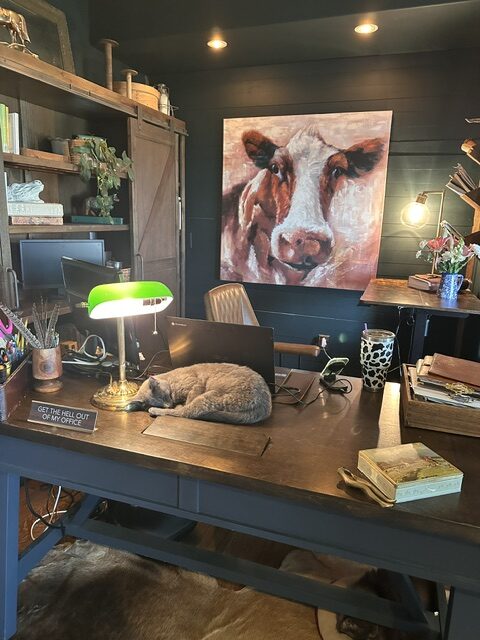
Her hide went to a tanner, where I paid $900 to have it preserved. More than ten years later, it still lies on my office floor, reminding me to stop, ask another question, and double-check my decisions before they become irreversible.
Don’t cut corners.
An observation is not a diagnosis.
Never make an irreversible decision about an animal based on an assumption.
The lesson I will never forget
Always confirm a cow’s pregnancy status before sending her to slaughter.
A cow can display behavior that looks like heat and still be pregnant. Heat observation alone is not definitive enough for a decision that cannot be reversed.
Pregnancy testing costs money, but guessing can cost far more.
The purchase price is also only one small part of keeping a dairy cow. Feed, minerals, fencing, equipment, breeding, and veterinary care all add up. My family milk cow cost calculator can help you estimate those ongoing expenses before bringing a cow home.
What These Dairy Animal Mistakes Changed
These experiences changed how I manage livestock.
These experiences changed how I manage livestock. Now I:
- Ask more questions
- Keep better records
- Verify important information
- Prepare for emergencies before they happen
I also pay much closer attention to how a cow’s breeding, calving, and lactation cycles work together. A cow’s milk production naturally rises and falls throughout her family milk cow lactation curve. Changes in production are not automatically a crisis, but they can tell you something about her stage of lactation, nutrition, pregnancy, stress, or health.
Looking at the Whole Management System
I no longer look only at the cow standing in front of me. I consider the entire management system around her.
Do I have enough pasture or a reliable hay supply? The answer depends on climate, pasture quality, and management, which I explain in how much land a cow needs.
Can I maintain a consistent milking schedule? For some homesteads, milking a family milk cow once a day makes dairy cow ownership far more manageable.
Do I know what normal milk should look, smell, and taste like? Changes in the milk can be one of the first signs that something needs attention. If you are dealing with an unexpected flavor change, start with why a cow’s milk tastes salty.
Do I understand what I am buying? Breed, genetics, butterfat, production, temperament, and health history all matter. Milk genetics may matter to your family as well, which is why I recommend learning about A2A2 milk before choosing a cow.
Most importantly, do I have a veterinarian I can call when something is wrong?
A book, Facebook group, or internet search cannot physically examine a cow. They cannot feel her rumen, listen to her heart, evaluate her pregnancy, or determine why she is down after calving.
Sometimes the most responsible decision is to stop guessing and call someone who can.
Raising Dairy Animals Is Humbling
I am not telling you these stories so you will think I was an idiot.
Believe me, I have already beaten myself up enough.
I am telling them because these mistakes were preventable. If someone else learns from them before buying a cow, sending one to butcher, improvising a feeding area, or waiting too long to call a veterinarian, then sharing the painful parts serves a purpose.
Dairy animals are demanding.
They require consistent feeding, clean water, proper minerals, dependable fencing, regular milking, breeding management, and close observation. They also possess an uncanny ability to develop an emergency at the least convenient possible moment.
You will make mistakes.
Everyone who keeps livestock long enough will.
The goal is not to become someone who never makes a mistake. The goal is to become someone who recognizes problems sooner, asks better questions, prepares more carefully, and does not repeat the same mistake twice.
Be willing to learn.
Be willing to call the veterinarian.
And when you discover that you were wrong, be honest enough to change the way you do things.
Be kind to yourself, friends. But never let being kind to yourself become an excuse not to learn the lesson.
More From the Family Milk Cow
-
Family Milk Cow Lactation Curve: What to Expect After Calving
A family milk cow does not produce the same amount of milk every day from the…
-
How Much Land Does a Cow Need? A Practical Acreage Guide
One of the first questions people ask before bringing cattle home is, how much land does…
-
How Much Does a Family Milk Cow Cost? + Monthly Cost Calculator
Owning a family milk cow is one of the most rewarding investments we’ve made for our…
-
How Much Milk Does a Family Milk Cow Produce Per Day?
How much milk does a family milk cow produce? After years of keeping and milking our…
-
Why Does My Cow’s Milk Taste Salty?
Common causes of salty milk in cows, including mastitis, somatic cell counts, and changes during lactation….
-
Family Milk Cow FAQ for Beginners
If you’re considering bringing home your first family milk cow, you probably have a long list…



I have happened upon your fabulous blog by “accident”, spending hours roaming through Pinterest. Very addictive and time-consuming armchair sport, by the way, but so FULL of wonderful information from such clever people everywhere. You are one of these wonderful, clever people to which I refer.
No sooner was I totally absorbed by your site but also in tears by your stories. Your “Epic Failures” broke my heart and reminded me of my own animals (indoor cats & dogs) I’ve had over the years that were NOT just pets! They were family!
During really down times I still cry over having made the choice to put down my beloved cat when she became deathly ill, or my two sister dogs that continued to bite each other and me due to jealousy. A toddler was being raised next door and visited my home often and I could not take the chance with the baby being exposed to being bitten. I had to make that heart-wrenching decision after having been bitten over 7 times, each time breaking skin through clothing.
Anyway, you site is wonderful, I envy your fortitude in making your dream for a self sustaining farm come true and I’m glad you got an early start. I’m in my mid 50’s and it is not enough to grow my own veggies organically & vertically in the backyard. I want the farm, and chickens, and goats and a root cellar and to learn to can, etc, etc.
I’m glad for you that you knew early on what you wanted and that you made it happen. There are no mistakes or failures, only lessons. Difficult, heartbreaking lessons but lessons nonetheless.
I’m going to go now and finish reading all of your information and look forward to future posts. FYI- I have my own recently diagnosed autoimmune disease. Reiter’s Disease, now referred to as Reactive Arthritis. No fun. Diet/activity are EVERYTHING! Thanks for all you share.
Thank you for sharing this! My ultimate dream is to have a dairy cow, also. I have been raising dairy goats for 7 years now and have a number of “epic failures” under my belt as well, but it’s good to read up on how to avoid some pitfalls in raising a dairy cow, before I achieve my goal of having one.
Also made a four and a half hour trip for some doelings while I was pregnant…..such a horrible trip, but so hopeful too!
Just want to thank you for taking the time to share these stories. I am an agricultural student at UMass, hoping to follow in your footsteps and I find every detail about stories like these valuable, and you’ve allowed me to take many notes for my future. I’m sure you have so many other learning experiences that could help me immensely, if you ever have the time to share more successes/failures, anything at all is huge to me because I have grown up on Cape Cod, MA, and have not been exposed to any type of farm life or farming whatsoever. I’m so passionate about what i’m learning and what you write about, and just want to sincerely thank you for your website and posts.
Thank you!
Thank you for sharing. I know I have learned something from your experience. So don’t beat yourself up you are using your experience to help others, thanks for that.
Thank you Dorie.
I am very sorry for your losses. As you say, farming isn’t for the feint of heart, and it can be one of the most heart-breaking, challenging things anyone can do.
We had a sister-pair of goats. The seller was totally up front with us about the goats and gave a good deal for a “herd reduction,” as she was getting married and combining “your, mine, and our” animals. The goats had to go, so we took them.
They were some of our first goats… little Nigerian Dwarfs. Of the two sisters, one goat had never had kids, but she wanted them SO badly. You could just tell… So we introduced her to a buck, and she took! About 4.5 months into her pregnancy, my husband picked her up right across her stomach (after I begged him not to) to put her in a raised barn area. She cried out but didn’t protest after he put her down.
The next day, she started “oozing” red/brown liquid, and I just KNEW something had gone wrong. The trauma of being picked up across her belly caused her to abort at least one of the kids, which became trapped inside her. I watched her strain and try to pass the kids a week later, but nothing… Just more goo and pained cries. We called a vet and were told that the house visit, ultrasound and surgery to remove the dead kids would start around $2,500. We just didn’t have that kind of money, but the vet said she might make it with antibiotics to prevent infection and that she could pass the mummified kids eventually.
She didn’t pass them. About three months later, my sweet little goat ended up passing away from a uterine infection in my arms, despite antibiotics. We rehomed her heart-broken sister to another farm where she would have lots of pasture and other goat friends.
To this day, she remains my favorite goat ever. The best ones always get taken too soon.
My heart goes out to you, sister!!
Ugg. That’s a rough one! I’m terribly sorry for your loss.
I like reading these failures, just to know I’m not alone. I lost my first dairy goat and her twin does last year, because I waited too long to pull the babies out. I asked others for advice and everyone said to wait. DON’T WAIT!
If it be any comfort to you, know that there is a list of epic failures burdened to many of us. Sister, praise our good Lord for our hearts that break and bleed, while it is in Him, who promises to mend them, we assuredly find our rest. Praise Him for all things. Thank you for sharing your story and your website. May the Lord richly bless you and the fields you prepare. Isaiah 25:8