
Starting a homestead doesn’t always begin with a perfectly planned farm. For many families, it begins with curiosity, small projects, and learning how to become a little more self-sufficient each year.
At the time, we were living in a run-down, 120-year-old original homestead house that seemed to have more mice living inside than outside.
Naturally, I quickly began researching chemical-free ways to deal with these unwelcome house guests, and somewhere along the way I came across a story about “old timers” using chickens for mouse control. From there, our journey into homesteading began.
This post may contain affiliate links. That means if you click a link and make a purchase, I may earn a small commission at no extra cost to you. I only share products that I personally use and believe are helpful in our homestead.
So, that was all the convincing I needed.
I jumped onto Craigslist, and a few hours later I came home with two regal roosters, for free.
Not just any roosters, either. They were Buckeye roosters, the exact breed I had been searching for. As it turns out, Buckeyes are fairly rare, so I took it as a bit of a serendipitous moment. It felt like it was meant to be.
Katie + Chickens = Love.
Without much planning or agenda, that moment was really the beginning of our homestead.
I quickly fell in love with the breed. Before long I was flying in hatching eggs from top breeders in Ohio and raising them by the dozens.
Even today, I’ve only found one other homestead in our area intentionally breeding Buckeye chickens.
But the funny thing is, most homesteads don’t begin with a big plan. They start with something small, a garden, a few chickens, making sourdough from scratch, and slowly grow from there.
Learning how to start a homestead is rarely about having the perfect land or equipment. It’s about taking that first step and learning the skills along the way.
What Homesteading Really Looks Like
When people imagine homesteading, they often picture a peaceful farmhouse scene, tidy gardens, happy animals grazing in the pasture, and baskets of fresh food coming out of the kitchen. While those moments certainly happen, real homesteading rarely looks quite that polished.ne
Most days it looks more like muddy boots by the door, garden rows that didn’t grow quite the way you hoped, and animals that still need to be fed even when the weather turns bad.
Homesteading is not about perfection.
It’s about learning to work with the land and understanding the rhythms of growing food, caring for animals, and building practical skills over time.
Some seasons are incredibly productive. Others are full of lessons.
Gardens fail. Fences break. Weather changes plans.
But slowly, year after year, the homestead begins to take shape.
Skills improve. Systems become easier. The garden grows better. The animals settle into routine. What once felt overwhelming becomes part of everyday life.
And that is what homesteading really looks like, a life built gradually through experience, patience, and a willingness to keep learning.
Start Small (The Biggest Beginner Mistake)
One of the biggest mistakes people make when starting a homestead is trying to do everything all at once.
First, it’s easy to fall into that trap. You see beautiful gardens, chickens wandering the yard, shelves full of canned food, and maybe even a milk cow in the pasture. It’s inspiring, and suddenly it feels like you need to build the entire homestead in one season.
But that’s rarely how successful homesteads are built.
Most homesteads grow slowly over time.
A garden might come first. Then a few chickens. Later on you might add fruit trees, expand the garden, or begin learning food preservation. Each skill builds on the last. Trying to start a garden, build fences, raise animals, and learn food preservation all in the same year often leads to burnout. Homesteading takes time, patience, and a willingness to learn through experience.
The good news is that you don’t need to do everything at once. And you shouldn’t. Start with one project that feels manageable. Learn it well. Then add another piece the following season. Over time, those small steps begin to grow into something much larger.
In fact, that’s how most homesteads are really built, one skill and one season at a time.
The Early Mornings of Homestead Life
Starting a homestead often means getting up early with the rooster. Early, I say. If you’re lying in bed listening to your rooster crow, you’re probably not getting up early enough. Just kidding… kind of.
The saying “there aren’t enough hours in the day” feels especially true on the homestead. While most people are dreading the 6 a.m. alarm clock, the homesteader may have already been up for hours. The garden needs watering, vegetables need harvesting, cows need milking, meals need preparing, and bread needs time to rise. Living a life from scratch takes extra time and extra planning, and the daily rhythm of the homestead rarely waits.
As a result, the end of the day routine looks a little different too. While much of the world may be heading out to dinner or settling in to watch television, the tired homesteader is often sitting quietly by the fire reading a how-to book before turning in early for the night, ready to do it all again in the morning.
How Much Land Do You Need to Start Homesteading?
One of the most common questions people ask when they begin researching homesteading is how much land they need to get started. The answer often surprises them.
First, you don’t need large acreage to begin learning homesteading skills.
In many cases, while having more land certainly opens up additional possibilities, many people start homesteading on very small properties.
Some homesteads begin with:
- a backyard garden
- a few raised beds
- container gardening
- a small flock of chickens
- fruit trees or berry bushes
The truth is, skills matter far more than acreage.
Learning how to grow food, cook from scratch, preserve harvests, and care for animals can begin almost anywhere.
Many successful homesteaders actually start small and expand slowly as their knowledge and confidence grow.
Over time, a backyard garden might turn into a larger food garden. Chickens might lead to other livestock. Kitchen skills might lead to baking bread, making butter, or preserving food for winter.
But those skills develop step by step.
In many ways, the size of the land matters far less than the willingness to learn and start where you are.
Best Animals for a Beginner Homestead
For many people, animals are what first draw them toward homesteading.
Fresh eggs, home-raised meat, and the idea of caring for livestock all feel like a natural part of building a homestead. But animals also bring daily responsibility, and it’s important to add them thoughtfully.
Animals must be fed and cared for every single day, regardless of weather, schedules, or holidays.
For most beginner homesteads, chickens are the best place to start. Chickens are relatively easy to care for, require little space, and provide a steady supply of fresh eggs. They also help beginners learn the daily rhythm of caring for livestock.
Before long, however, what starts as a few chickens can grow quickly.
As my own chicken math began to add up, the birds slowly took over the old barn on the property. The barn itself had been standing for well over a hundred years, and I was quickly running out of space.
So I did what many homesteaders eventually learn to do.
I got more chickens.
Just kidding. I just figured it out as I went.
Building a Chicken Coop from Scratch
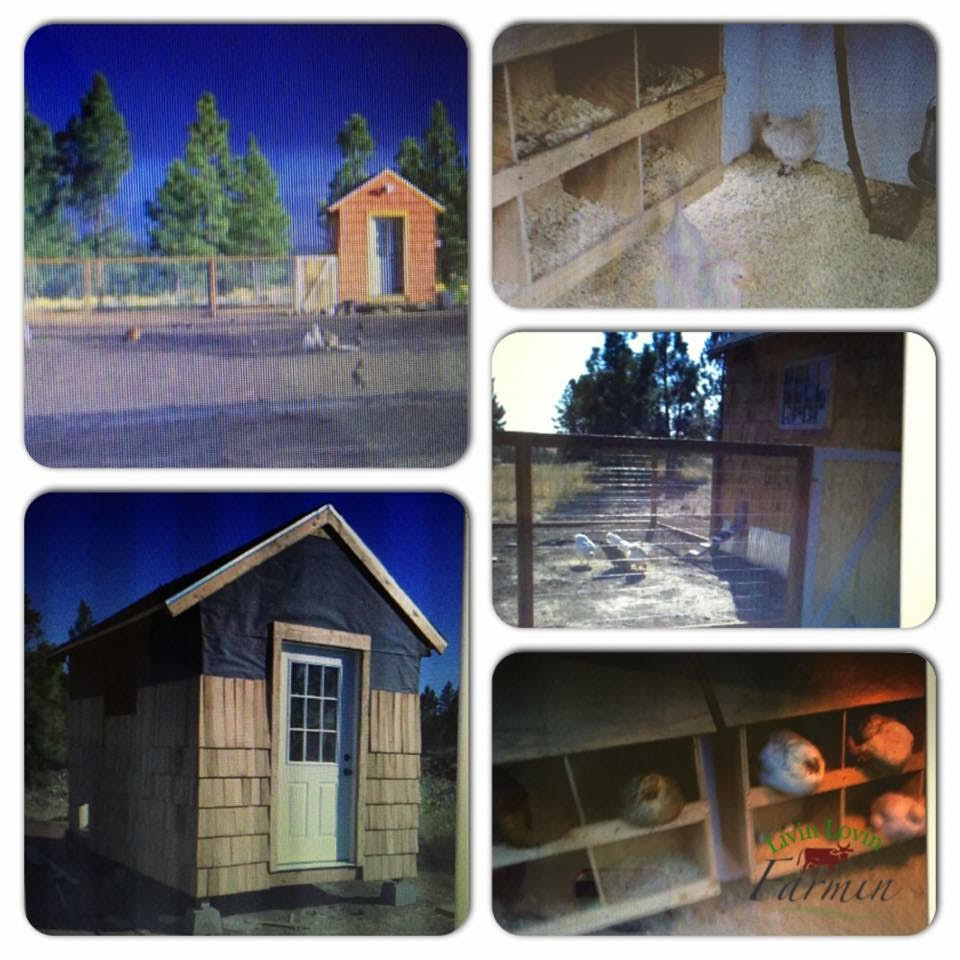
I researched and taught myself how to build a chicken coop. The goal was a simple, functional coop that could house multiple types of poultry. I scraped and leveled the ground with a tractor, then laid every cinder block by hand. From there I measured, cut, and nailed each board as the coop slowly began to take shape. Every shingle went on by hand, and every window was installed by me.
It wasn’t perfect, but it worked. That little coop became one of the first real projects that made our homestead feel like it was taking shape.
And that’s often how homesteading grows, one small project at a time, learning each skill along the way. Confidently building one project to the next.
Over time, many homesteads slowly expand into other livestock such as:
- goats
- pigs
- meat chickens
- a family milk cow
Each type of animal brings its own learning curve, responsibilities, and rewards.
But like most things on a homestead, it’s best to add animals slowly. Learning to care for one species well before adding another helps keep the homestead manageable and enjoyable.
Skills Every Homesteader Should Learn
Homesteading is built on practical skills.
Land and animals are important, but the real strength of a homestead comes from the knowledge and abilities developed over time.
Many of the skills that support a homestead were once part of everyday life. Baking bread, preserving food, raising animals, and cooking meals from simple ingredients were normal household tasks for generations.
Thinking about adding a family milk cow?
For many homesteads, a family milk cow becomes the cornerstone of food production. If bringing one home is part of your plan, our First 30 Days With Your Family Milk Cow Field Guide walks you through what to expect during those critical first weeks, helping you establish routines and avoid common beginner mistakes.
Today, many of these same skills are being rediscovered by families who want to reconnect with their food and become more self-reliant.
Some of the most valuable skills a new homesteader can begin learning include:
- gardening and soil care
- cooking from scratch
- baking bread
- food preservation
- caring for livestock
- basic building and repair skills
These skills don’t need to be mastered all at once. Like the homestead itself, they grow slowly with practice. Many homesteaders actually begin developing these skills in the kitchen long before they ever raise animals or plant a large garden. Many of these traditional kitchen skills, like baking bread or making butter, are the same skills our grandparents practiced daily.
Learning how to bake bread, make butter, or cook with simple ingredients can be the first step toward a more self-sufficient household.
Those small skills begin to change how you think about food, work, and daily life.
Over time, they become the foundation of the homestead.
Essential Tools for Starting a Homestead
Starting a homestead doesn’t require a barn full of equipment. In the beginning, a few well-chosen tools and reliable resources can make the biggest difference. These are some of the books and practical tools that many new homesteaders rely on for gardening, food preservation, and everyday kitchen work. Starting with dependable basics helps you build skills and confidence as your homestead grows.
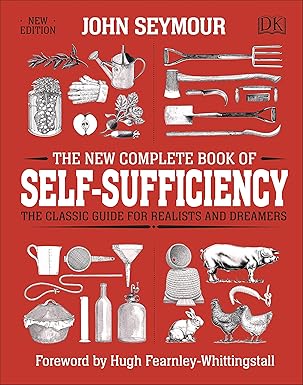
Classic guide to self-sufficient living and traditional homesteading skills 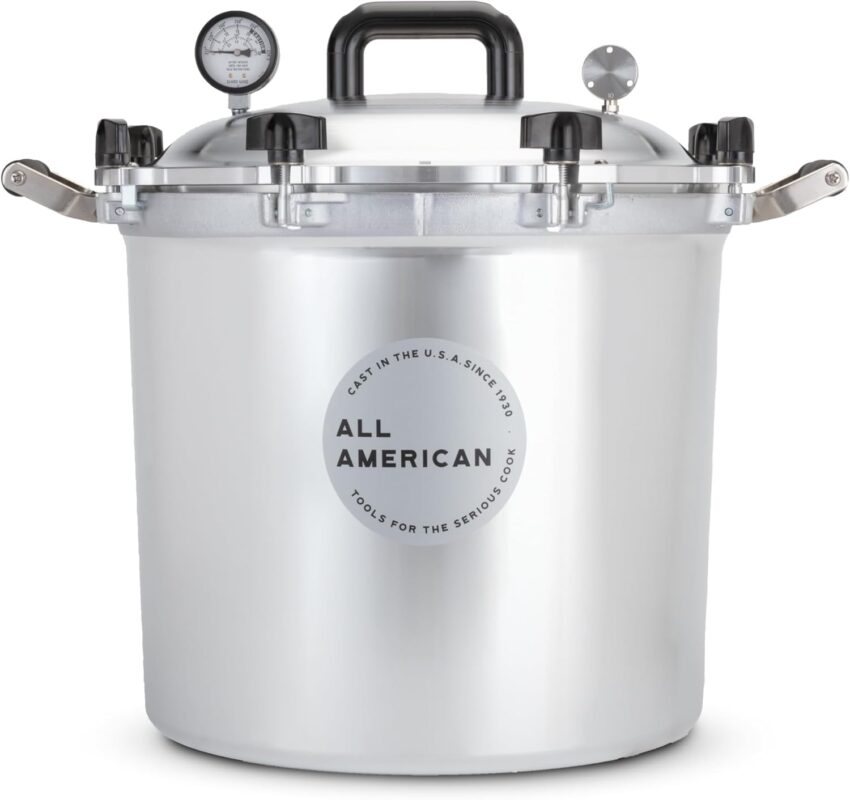
Heavy-duty pressure canner for preserving meat, vegetables, and pantry staples 
Wide-mouth mason jars for canning, fermenting, and long-term pantry storage 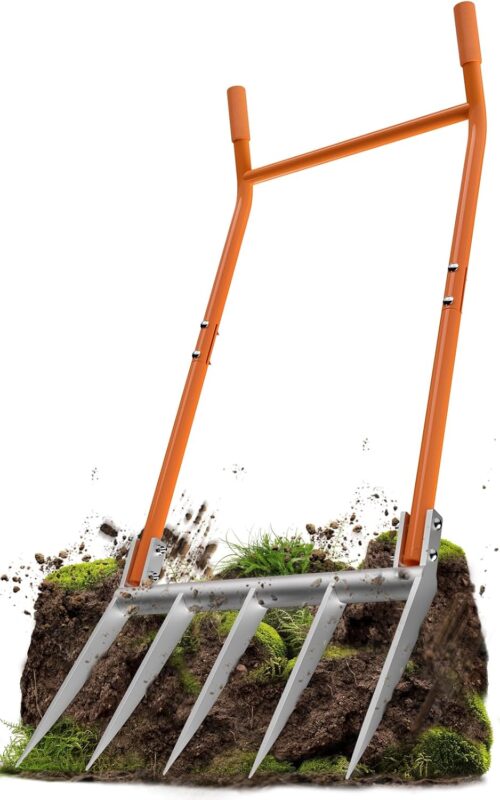
Broadfork tool for loosening soil and preparing garden beds on a homestead 
Cast iron Dutch oven for sourdough bread, stews, and homestead cooking
Common Homesteading Mistakes Beginners Make
Every homesteader learns through experience, and mistakes are simply part of the process. But there are a few common pitfalls that many beginners encounter when they first start building a homestead.
Recognizing these early can save a lot of frustration.
Trying to Do Everything at Once
One of the most common mistakes new homesteaders make is trying to build the entire homestead in a single season.
Gardens, chickens, food preservation, livestock, fencing, and building projects all require time to learn and manage well. Taking on too many projects at once often leads to burnout.
A strong homestead grows gradually.
Start with a few manageable projects, learn them well, and expand slowly over time.
Starting with Difficult Livestock
Animals are exciting, but not all livestock are ideal for beginners.
Some animals require specialized knowledge, larger infrastructure, or daily milking schedules that can quickly overwhelm a new homestead.
Chickens are often the best place to start. They provide eggs, require relatively little space, and help beginners learn the daily rhythm of caring for animals.
Expecting Perfection
Homesteading rarely looks perfect.
Gardens sometimes fail. Animals get sick. Weather changes plans. Projects take longer than expected.
Those experiences are not failures — they are part of the learning process.
Every season teaches something new about the land, the animals, and the work involved in caring for them.
Forgetting That Homesteading Is a Lifestyle
Homesteading is not just a hobby that happens when it is convenient.
Animals need care every day. Gardens require attention during the growing season. Food preservation often happens during the busiest harvest months.
Understanding that rhythm ahead of time helps new homesteaders prepare for the commitment that comes with it.
A Simple First-Year Homestead Plan
Starting a homestead doesn’t require doing everything at once. In fact, the most successful homesteads grow gradually as skills and confidence develop.
A simple first year focused on learning and building a foundation often leads to far greater success in the long run.
Here’s what a realistic first year of homesteading might look like.
Spring
In the spring, many homesteads begin to take shape as gardens are planted, animals arrive, and outdoor projects get underway.
This is a good time to:
- start a small garden
- learn about soil preparation and planting
- build simple garden beds or fencing
- begin researching animals you may want in the future
The goal is not perfection. It’s simply to begin learning how plants grow and how the land responds through the season.
Summer
During the summer, the focus shifts to maintaining what you’ve started as gardens grow, animals need daily care, and homestead chores multiply.
This season is often spent:
- tending the garden
- learning how to manage pests and weeds
- harvesting early vegetables
- beginning to experiment with simple food preservation
As a result, many homesteaders start learning preservation skills such as freezing or basic canning during this time.
Fall
By fall, much of the harvest begins to come in. This is when many homesteaders start to see the rewards of the work they began earlier in the year.
It’s also a great time to:
- preserve garden produce
- plant fall crops or garlic
- improve soil for the next growing season
- reflect on what worked and what needs improvement
Winter
Winter is often the planning season for the homestead. With the garden resting, it becomes the perfect time to learn new skills and prepare for the coming year.
Many homesteaders spend winter:
- researching livestock
- learning new cooking or baking skills
- repairing tools or structures
- planning next year’s garden
During the winter months, many traditional homestead kitchen skills, like baking bread or making butter, naturally fit into the rhythm of the season.
Homesteading Is a Long-Term Journey
Homesteading isn’t about achieving a perfect system overnight. It’s about learning to grow food, care for animals, and build practical skills that support your household over time.
Some homesteads grow quickly. Others grow slowly over many years.
Both paths are perfectly valid.
What matters most is simply taking the first step and allowing your homestead to develop naturally from there.
Frequently Asked Questions About Starting a Homestead
FAQ

Hi! I just discovered your blog through Pinterest, and I wanted to say this post really inspired me. I’m on the road to becoming a full time homesteader, and I look forward to reading your blog posts!
Thank you so much! I’m glad your here!
This is great advice for starting a homestead. Thanks for sharing!
Thank you for the great post! We are 9 months into our homesteading journey and we love it, but reading this really helps keep it in perspective. My “do it all” attitude looks back on this year a little disappointed with how much we didn’t get done. (I unexpectedly had to have surgery last fall) Now that spring is almost here though I need to balance what has to get done like the chicken coop and goat pen (the animals are coming either way) versus the ginormous fancy greenhouse that will realistically take another year. I so want to be at the point of all the major building and setup to be done and just be in the routine of milking, collecting eggs, planting, harvesting, ect…but I have the feeling that is an unreachable point as there will always be something to build, add, or learn.
We have six years till my husband retires . Headed to Maine to be homesteaders . We have the vegetable garden and the chickens down! Reading your article showed me we’re on the right trac . We read a lot on the old ways of living before running water, bathrooms , electricity you know what I mean . Off grid homestead is our mission . Canning is my next years plan. The first four years of growing our vegetables I would share with my neighbors.
You are living our homesteading dream! We are still a few years away form starting.
Honestly I had never heard of using chickens to control mice. I know they are omnivores. But I was just thinking bugs and such.
Thank you for a great post!
Awesome job, Kristie. This is exactly what I’ve been looking for. I might do something similar with my wife!
Thanks for inspiring us.
(Glad to have found your site).)
First thing is what a great name for your site.
My wife and I have bought some land (35 acres) that we are in the process of building our home on. Once we move out there we want to start working the land. Our goal is to have a profit making farm that we can work for when we retire 10 years. Although, both of us would like for that to be sooner we are just being conservative, plus we will actually be retired in 10 years.
I’m looking at chickens (meat and eggs), pigs and goats.
What do you think? Are we being realistic in our goals?
Hi Kevin,
I think that is an excellent plan. Start slow, avoid burnout. Chickens are easy keepers and require very minimal time. Pigs and goats require quite a bit more 🙂 Congrats on your homesteading endeavor.
Thanks for pulling this together….you have some good tips for those looking to get started
I love how you mention keeping a journal. Isn’t it amazing how much easier things get when you remember to write them down? Thanks for the awesome advice!
I couldn’t agree more in this post! Many of us spend a lot of each day in front of a computer. Homesteading hooks us into the natural world and the passing of the seasons, and reminds us of our place within the greater cycle of life.
These are really very helpful tips for me as I am trying to start the homestead. I bookmarked this post. Thanks for sharing!
Awesome story! Kristie. I have leant a lots about homesteading from your blog, please keep going on, I have subcribed your email list, if you have any posts like this one please do not forget to send me, many thanks 🙂
I must say wonderful post! Learning never ends & I think I must learn more to get better at gardening. I thoroughly enjoyed your whole article, it’s really supportive as homesteading help you to become more self-sufficient. Hope I can keep it that way for long.
I love your story about the two roosters you started with. And that’s interesting that heritage beds will forward for themselves.
This article is extremely helpful as I am in the process of setting goals for my first year being a suburban homesteader! Thanks for the information!
Hey, I must say It is really a great and helpful blog for the who are planning to homestead. I am also doing homesteading and I just love to do this. I just enjoy the beauty of nature, but it is quite difficult for those who don’t have enough space for homesteading or farmsteading. For them, I have some suggestion that they can buy lands at Ozarkland with owner financing. they provide the best land at no down payments.