Published August 12, 2019 • Updated March 2026
Why this old-fashioned fermented drink still belongs in the modern homestead
Milk kefir is one of those foods. It’s been made for generations, long before probiotics became a buzzword and yet here we are, rediscovering it again in modern kitchens.
And honestly? It deserves the attention.
If there’s one thing I’ve learned on the farm, it’s this: the old ways tend to stick around for a reason.
Either way, whether you’re milking your own cow or picking up good milk from a trusted source, kefir is one of the simplest ways to turn everyday milk into something far more nourishing.
What Is Milk Kefir?
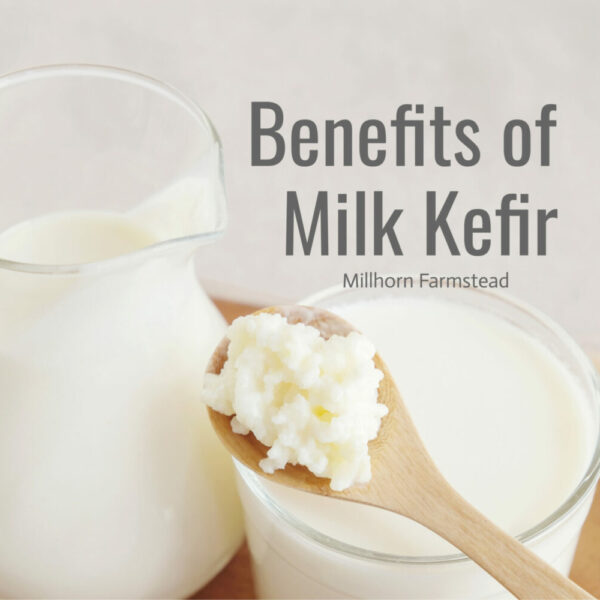
Milk kefir is a traditional fermented dairy drink made by adding kefir grains to fresh milk. These grains aren’t actually grains like wheat or oats, they’re a living culture made up of beneficial bacteria and yeast working together.
As the milk sits, those cultures ferment the natural sugars (lactose), transforming it into a tangy, slightly thick, drinkable product, somewhere between milk and yogurt in both texture and taste.
According to the Mayo Clinic, “kefir is a fermented milk made from a variety of yeasts and bacteria,” and it naturally contains protein, calcium, B vitamins, and probiotics that support gut health.
What makes kefir unique is the way these microorganisms live and function together. In fact, Kefir grains contain a complex, symbiotic community of bacteria and yeast that ferment the milk and create a more diverse end product than most cultured dairy foods.
The result is a living, active food, one that has been used for generations to preserve milk, improve digestion, and add nourishment to everyday meals.
Why Milk Kefir Stands Apart
According to the Mayo Clinic, milk kefir is rich in protein, calcium, B vitamins, and probiotics—beneficial microorganisms that help support a healthy gut. As noted by Mayo Clinic dietitian Anya Guy, “probiotics are live organisms that help add to the population of microbes in your gut.”
While yogurt typically contains a handful of probiotic strains, milk kefir can contain a much broader range. In fact, it often includes dozens of beneficial bacteria and yeast working together.
Unlike yogurt, which contains transient cultures, the probiotics in kefir are known for their ability to more effectively support and maintain balance within the gut microbiome. This is part of what makes kefir such a powerful addition to a traditional diet.
For families working to improve digestion, support immune health, and make better use of the milk they already have, kefir offers a simple and time-tested solution.
7 Benefits of Milk Kefir
There’s a reason milk kefir has been around for generations. It’s simple to make, easy to use, and quietly does a lot of good in the background.
Here’s what it’s really bringing to the table:
1. Supports Gut Health
Milk kefir is naturally rich in probiotics, beneficial microorganisms that help support a healthy gut.
A well-balanced gut plays a role in:
- digestion
- nutrient absorption
- immune function
Kefir’s diverse range of bacteria and yeast makes it especially effective at helping maintain that balance.
2. Easier to Digest Than Milk
As kefir ferments, the cultures break down much of the lactose in milk.
For many people, that means:
- less bloating
- easier digestion
- better tolerance compared to regular milk
On a homestead, that matters. It allows more people to actually use the milk you’re producing.

Get Homestead Recipes & Guides
A Note on A2 Milk
If you’re using milk from a family cow, you may already be working with A2A2 genetics, something many homesteaders specifically seek out.
A2 milk contains a different type of beta-casein protein than conventional milk, and many people find it easier to digest. When paired with fermentation, like in kefir, this can further support digestion and make dairy more accessible for those who typically struggle with it.
On a practical level, this is one more way to make the most of the milk you’re already producing, using both good genetics and traditional methods together.
3. Naturally Nutrient-Dense
Kefir doesn’t just preserve milk, it builds on it. In fact, the fermentation process enhances the nutritional profile, making key nutrients easier for the body to use.
It naturally contains:
- protein
- calcium
- B vitamins
- beneficial enzymes
As a result, these nutrients become more bio-available, allowing your body to absorb and use them more efficiently.
4. Supports Immune Function
A large portion of your immune system is tied to your gut.
By supporting a healthy gut microbiome, kefir also supports:
- immune response
- resilience during seasonal illness
- overall wellness
5. May Help Reduce Inflammation
Traditional fermented foods like kefir have long been associated with supporting the body’s natural balance.
Regular use may help:
- support gut lining health
- reduce internal stressors tied to poor digestion
- promote overall balance in the body
6. Supports Bone Health
Kefir provides key nutrients like calcium and vitamin K2, both essential for strong bones. As a result, it supports bone health across every stage of life.
This is especially valuable for:
- This is especially valuable for:
- growing kids
- hardworking adults
- maintaining long-term bone health as we age
7. Simple, Sustainable, and Cost-Effective
This might be the most overlooked benefit. In fact, once you have healthy kefir grains, they continue to grow and don’t need to be repurchased. Instead, they work right alongside the milk you already have, making it one of the easiest ways to stretch your resources while adding real nutritional value.
Simple Ways to Use Milk Kefir
If you’re new to kefir, start simple:
- Drink it plain
- Blend it into smoothies
- Use it in place of buttermilk
- Add it to baked goods
You don’t need to overthink it. Like most traditional foods, it fits into what you’re already doing.
If you’re working with a family milk cow, learning how to manage your milk supply, like milking once a day, can make incorporating foods like kefir much more sustainable.
FAQ
Simple recipes. Real ingredients. Trusted sources.
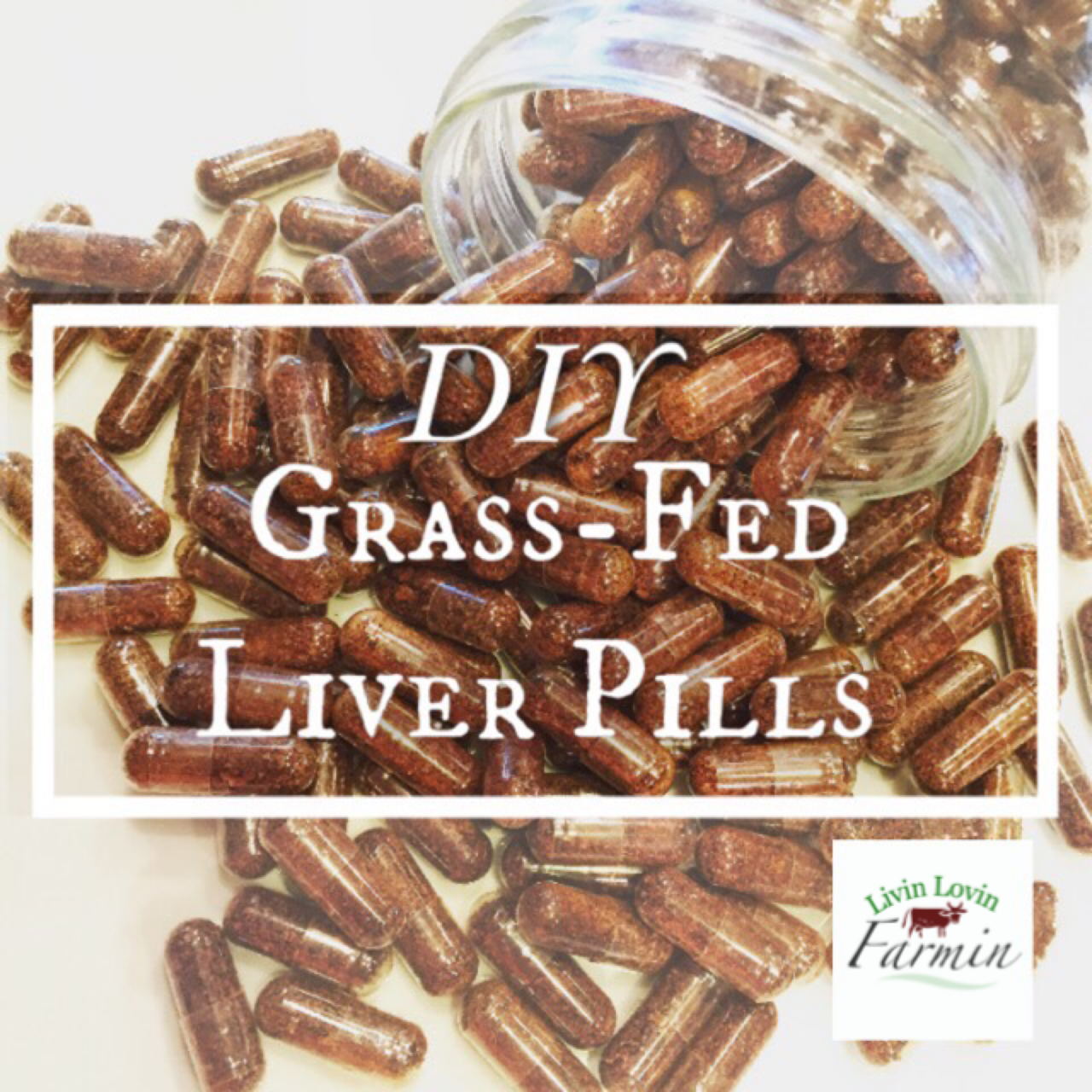
Grass-Fed Liver Pills
A simple way to add nutrient-dense, grass-fed organ support into your daily routine without the prep work. A traditional supplement for modern kitchens focused on whole-food nourishment.

Homemade Cultured Butter & Buttermilk
Learn to transform fresh cream into rich, cultured butter and true buttermilk. A foundational skill that brings depth, flavor, and tradition back into your kitchen.

Homemade Coffee Creamer
Skip the store-bought versions and create a smooth, from-scratch creamer using simple ingredients. Easy to customize and a staple in any homestead kitchen.